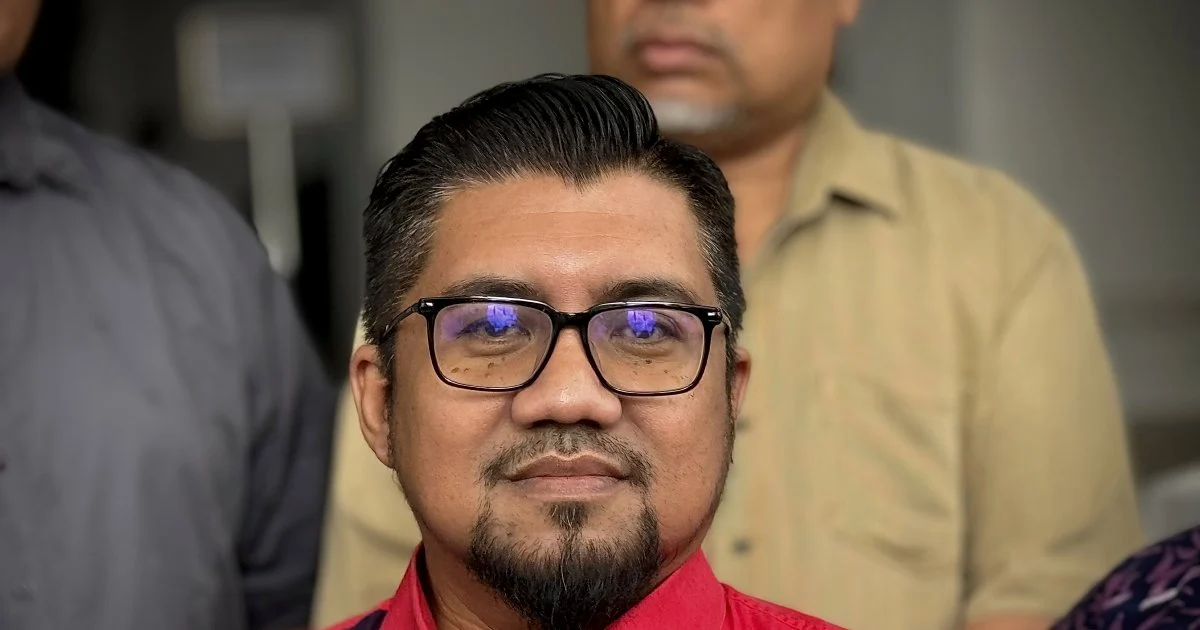
The Malaysian High Court has reversed an earlier acquittal and ordered political activist Badrul Hisham Shaharin, known popularly as Che'gu Bard, to enter his defence on defamation charges related to allegedly disparaging remarks about His Majesty Sultan Ibrahim, the King of Malaysia. The court's decision, handed down in Kuala Lumpur, effectively reopens legal proceedings that had previously resulted in Shaharin's acquittal and signals a significant development in a case that has drawn considerable public attention given the public profile of both the defendant and the sensitive nature of allegations touching on the monarchy.
The charges stem from statements that Shaharin purportedly made regarding a claimed audience between himself and various political figures that allegedly occurred approximately two years prior to the legal action. These remarks, according to prosecution arguments presented before the court, were deemed to constitute a defamatory attack on the character and standing of the reigning monarch. The reversal of the acquittal has substantial implications for Shaharin, who now faces the burden of mounting an active legal defence rather than benefiting from a dismissal of charges.
Defamation cases involving the monarchy in Malaysia operate within a particularly nuanced legal and cultural framework. Such proceedings are treated with considerable gravity within the Malaysian judicial system, reflecting the constitutional position of the Yang di-Pertuan Agong and state rulers within the nation's governance structure. The Malaysian Constitution provides specific protections for the dignity and reputation of the monarchy, and courts have historically approached such cases with particular care regarding both the rights of defendants and the sanctity of royal institutions.
The original acquittal, which has now been reversed, suggests that the lower court had previously found insufficient evidence to substantiate the defamation allegations against Shaharin. However, the High Court's decision to overturn this finding indicates that the appellate bench identified legal or evidentiary grounds warranting a full defence hearing. This procedural reversal reflects the appellate court's assessment that the matter merits closer examination beyond the initial dismissal, a determination that will likely extend the litigation process considerably.
Shaharin has established a public presence as a political activist and commentator, and his statements and activities have occasionally generated legal scrutiny. The requirement that he now enter a formal defence means he and his legal team must present their case before the court, addressing the specific allegations and challenging the prosecution's characterization of his remarks. This stage of proceedings will be crucial in determining whether the statements in question fall within protected speech or constitute actionable defamation under Malaysian law.
The case underscores ongoing tensions in Malaysian society regarding the boundaries of acceptable political discourse and criticism of public institutions. While Malaysian courts have recognized legitimate space for criticism of governance and policy decisions, statements perceived as attacking the character or dignity of the monarchy are treated as a distinct category with heightened legal consequences. This distinction reflects Malaysia's particular constitutional arrangements and historical emphasis on the monarchy's integrative role within the national fabric.
For Shaharin specifically, the High Court's order initiates a new phase requiring substantial legal preparation and presentation of evidence supporting his defence. His legal team will need to demonstrate either that the statements were not made as alleged, that they do not constitute defamation under law, or that they fall within categories of protected speech. The evidentiary burden now shifts to include not merely challenging the prosecution's case but affirmatively establishing the basis for his innocence or legal immunity.
The timing and circumstances of the alleged remarks—relating to a purported audience two years prior—add a temporal dimension to the proceedings. Questions regarding the accuracy of accounts from that period, the identities of political leaders allegedly involved, and the precise wording of statements attributed to Shaharin will likely feature prominently in the defence phase. The passage of time can introduce complexities regarding memory, documentation, and corroboration of precisely what occurred and what was said.
From a broader governance perspective, this case reflects Malaysia's approach to balancing democratic discourse with constitutional protections for state institutions. While Malaysia maintains substantive free speech protections within its legal framework, these operate alongside specific legal boundaries regarding sedition, defamation involving public figures, and contempt of court. The precise calibration of these competing interests remains a matter of ongoing legal development and judicial interpretation.
For the Malaysian public and civil society observers, the case carries implications extending beyond the immediate parties involved. It illustrates how Malaysian courts navigate disputes involving political expression and institutional dignity, matters of evident importance to a diverse democracy navigating questions of institutional reform and democratic participation. The proceedings will likely attract continued attention as they progress, particularly regarding how courts interpret the scope of permissible political commentary in Malaysia.
Shaharin's entry into the defence phase does not prejudge the ultimate outcome, but it does confirm that the High Court determined the allegations warranted full judicial examination. The upcoming proceedings will require both the prosecution and defence to present comprehensive evidence and legal argument, ultimately allowing the court to assess the merits of the defamation claim through a complete evidentiary record rather than through preliminary dismissal.

