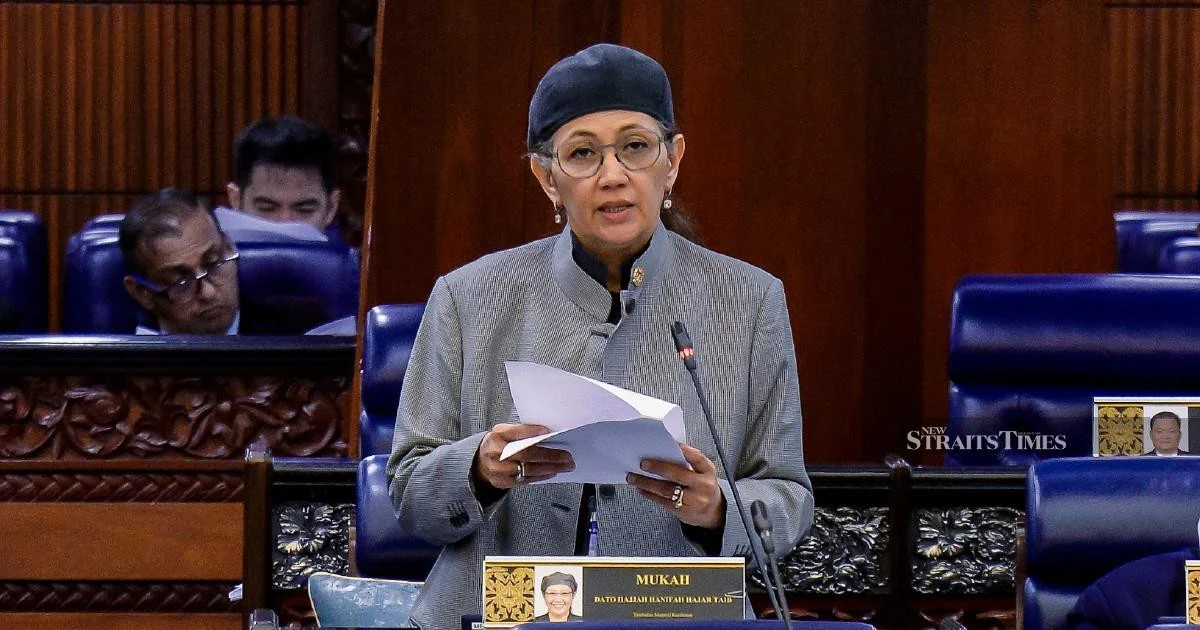
The Health Ministry has established a dedicated investigative committee to examine serious allegations concerning the conduct of its medical personnel during the Taiping Prison riot that occurred in January of the previous year. The formation of this committee represents an official acknowledgement that questions have been raised about the actions or inactions of health ministry staff during the prison disturbance, prompting a formal review mechanism to determine whether any breaches of professional standards occurred.
The Taiping Prison incident in January last year was a significant security event within Malaysia's correctional system that drew considerable public and official attention. The riot itself sparked broader questions about conditions within the facility and the response mechanisms deployed by various government agencies, including the Health Ministry's medical personnel who would have been on site or involved in the aftermath of the disturbance.
Allegations of misconduct specifically directed at medical officers suggest that concerns have emerged regarding how healthcare staff performed their duties during or following the riot. Such allegations could encompass various issues, ranging from inadequate medical response to prisoners, failure to provide proper documentation of injuries, or other breaches of medical ethics and professional conduct standards. The specific nature of the allegations has not been fully detailed, but their seriousness warranted escalation to ministerial level and the establishment of a formal investigative body.
The decision to form a special committee indicates that routine oversight mechanisms may have been insufficient to address the complexity or sensitivity of the situation. A dedicated committee typically brings together individuals with relevant expertise—including medical professionals, administrators, and potentially external oversight representatives—to conduct a thorough examination of the circumstances and determine whether any policy violations or professional failures occurred.
For Malaysia's correctional system, which has faced periodic scrutiny regarding prison conditions and staff conduct, this investigation carries implications beyond the specific incident. Prison healthcare delivery remains an area where international standards and local practice sometimes diverge, with debates continuing about adequate medical provision for incarcerated individuals. The Health Ministry's willingness to investigate its own officers sets a precedent for institutional accountability within the prison healthcare framework.
The timing of establishing this committee, occurring months after the January incident, reflects the time required for complaints to surface, be formally documented, and escalated through bureaucratic channels. This lag between incident and investigation is typical in such cases but also highlights potential challenges in institutional responsiveness. Prisoners and their representatives may take considerable time to lodge formal complaints, and verification processes can extend the timeline significantly.
From a regional perspective, Malaysia's approach to investigating allegations of state conduct during security incidents is closely watched by civil society organisations and international bodies monitoring governance standards. How thoroughly this Health Ministry committee conducts its work and what consequences—if any—emerge from its findings may influence broader public confidence in official accountability mechanisms, particularly regarding actions of state employees during sensitive incidents.
The committee's scope of investigation remains to be clearly delineated. Questions include what specific incidents or allegations prompted the formal inquiry, whether the investigation will examine individual medical officers or systemic failures, and what standards the committee will use to evaluate the medical personnel's conduct. Additionally, unclear is whether findings will be made public and to what extent recommendations will be implemented.
Prisoners' rights advocates have long emphasized that access to adequate healthcare represents a fundamental right, even for individuals in custody. When allegations emerge suggesting medical officers may have failed in their duties during a prison disturbance, these concerns resonate with broader arguments about the treatment of vulnerable populations within the criminal justice system. The Health Ministry committee's investigation thus carries moral and legal weight beyond technical questions of professional conduct.
For medical practitioners working in Malaysian correctional facilities, this investigation underscores the unique pressures and ethical complexities of their roles. Prison doctors operate in environments where security considerations intersect with medical obligations, where prisoner trust in healthcare staff is often minimal, and where systemic pressures may create difficult working conditions. Understanding these contextual factors will likely be important for the committee's assessment of whether conduct fell below acceptable standards or reflected reasonable professional judgment given difficult circumstances.
The investigation also raises questions about whether broader reforms may be warranted within prison healthcare administration. If the committee identifies systemic issues rather than isolated misconduct, recommendations could extend beyond disciplinary measures to encompass training, resource allocation, oversight structures, or protocol improvements. Such broader reforms could ultimately benefit both healthcare staff and prisoners by clarifying expectations and improving operational frameworks.
Stakeholders including prisoner advocacy groups, medical professional bodies, and the Bar Council will likely monitor the committee's progress and findings. Transparency in both the investigative process and the eventual conclusions will be essential for public confidence in the institution's commitment to accountability. The Health Ministry's ability to conduct this investigation thoroughly and fairly, while maintaining professional standards and protecting legitimate privacy interests, will be tested in coming months as the special committee conducts its work and prepares its report.

