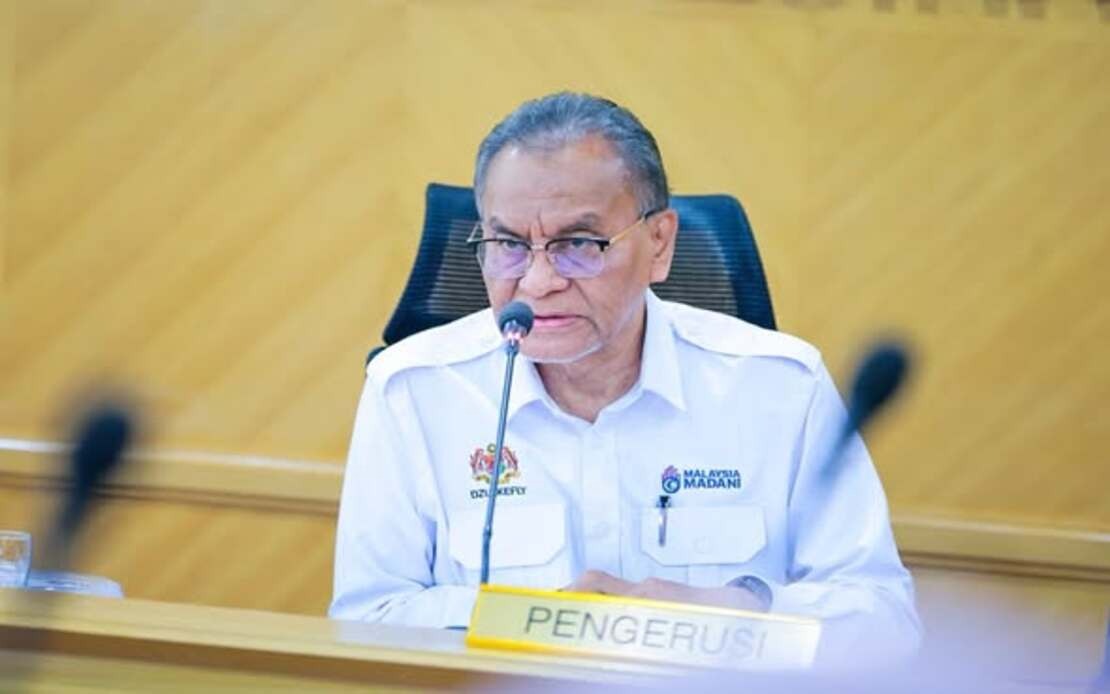
The Ministry of Health has signalled a hardline approach to project management, with Health Minister Datuk Seri Dr. Dzulkefly Ahmad declaring that the government will take decisive action against contractors unable to demonstrate genuine progress on health facility developments. Speaking after chairing the second Development Action Council meeting of 2026, Dzulkefly announced that the ministry is actively monitoring more than 1,300 health infrastructure projects across the country and will not hesitate to invoke contract termination clauses where delays prove unjustifiable.
The minister's stern warning reflects mounting concerns within government circles about the pace of healthcare infrastructure rollout at a time when Malaysians increasingly demand modern, well-equipped medical facilities. By explicitly threatening contractor dismissals, the Health Ministry is attempting to instil greater accountability in the construction and development supply chain, a sector that has historically faced criticism for missed deadlines and cost overruns. Dzulkefly framed the crackdown as essential to protecting public finances and ensuring citizens benefit from planned health services without unnecessary postponement.
During the meeting, which included participation from the Public Works Department and Finance Ministry representatives, project delays emerged as a central concern requiring coordinated intervention. The presence of officials from multiple agencies underscores the complexity of health facility development, which typically involves layers of bureaucratic approvals, land acquisition, utility coordination, and construction oversight. By bringing stakeholders together, the Health Ministry aims to identify bottlenecks occurring at implementation level and devise practical solutions that address systemic obstacles rather than merely penalising contractors for circumstances beyond their immediate control.
The collaborative framework extends beyond federal coordination, with Dzulkefly noting that the ministry is working alongside state governments and utility providers to resolve grassroots implementation challenges. This multi-tier approach acknowledges that health infrastructure projects often encounter state-level regulatory hurdles, local land tenure complications, and delays in connecting essential services such as water, electricity, and waste management. By engaging directly with these stakeholders, the Health Ministry signals its commitment to removing administrative friction that may be delaying project commencement or completion stages.
To demonstrate progress despite acknowledged challenges, the ministry highlighted ten major health facilities completed as of August, including facilities of considerable regional importance. The Northern Region Blood Centre in Kedah represents a significant addition to the country's blood banking infrastructure, particularly valuable for the populous northern states. Simultaneously, the expansion of Tuanku Ampuan Najihah Hospital in Negeri Sembilan and the opening of Manjoi Klinik Kesihatan in Perak illustrate how completed projects span diverse facility types, from tertiary hospitals to primary care clinics serving rural populations.
Progress under the 'Program Cakna MADANI' initiative has been more substantial, with 268 completed projects representing nearly 38 percent of the targeted portfolio. This national initiative focuses on quality-of-life improvements for Malaysians, and within the health sector encompasses upgrades to rural clinic infrastructure, expanded haemodialysis capacity to serve kidney disease patients, and replacement of ageing medical equipment that may compromise diagnostic accuracy or patient safety. These completed interventions suggest that smaller, localised health improvements are progressing more smoothly than major facility construction, a pattern common in large development programmes where coordination complexity increases with project scale.
The minister's commitment to ensuring every ringgit allocated to health translates into tangible service improvements resonates against a backdrop of public expectations for healthcare modernisation. Malaysia's healthcare system, while praised for universal access and affordability, faces capacity constraints in certain regions and criticisms regarding equipment obsolescence in some facilities. Investment in infrastructure and equipment replacement therefore directly impacts the quality of care Malaysians receive, making timely project completion a genuine public concern rather than mere administrative housekeeping.
For contractors engaged in health facility development, the ministry's position creates both pressure and opportunity. Underperforming firms face potential contract termination and reputational damage within an industry where government patronage remains significant. Conversely, contractors demonstrating reliable delivery and transparent communication can anticipate future opportunities in an expanding healthcare infrastructure pipeline. The ministry's willingness to replace contractors unwilling to meet performance standards effectively raises the bar for the entire sector and may eventually improve industry-wide delivery standards.
The monitoring framework established across 1,300 projects suggests the Health Ministry is implementing performance tracking mechanisms that enable early identification of slippage. Rather than discovering delays only upon scheduled completion dates, proactive monitoring allows intervention before minor setbacks escalate into major timeline breaches. This approach, if supported by adequate staffing and systems, could represent a meaningful evolution in Malaysian government project management, shifting from reactive problem-solving to anticipatory oversight.
At the broader policy level, this initiative reflects the government's commitment to translating healthcare spending into improved accessibility and quality across Malaysia's diverse geographic and demographic landscape. Rural clinics receiving upgraded facilities, haemodialysis patients gaining access to expanded treatment capacity, and communities receiving modern medical equipment all represent tangible dividends from sustained public investment. The Health Minister's emphasis on equitable, modern, and comfortable healthcare delivery directly addresses voter expectations for visible service improvements and efficient use of tax revenues in priority sectors like health.

