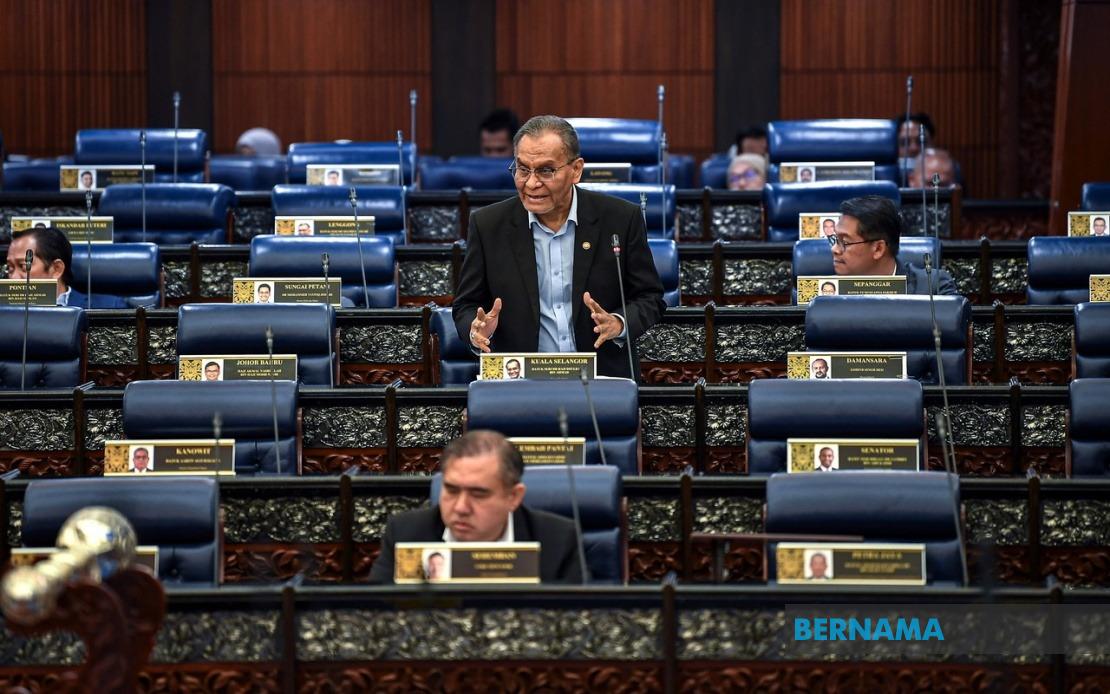
Malaysia's Health Ministry is moving to shore up the viability of private medical clinics through a combination of outsourcing partnerships and regulatory adjustments designed to help private practitioners weather mounting operational challenges. Health Minister Datuk Seri Dr Dzulkefly Ahmad made the commitment during parliamentary question time, acknowledging that the private primary healthcare sector faces genuine headwinds that require active government intervention to prevent further deterioration.
The minister's acknowledgment reflects hard-won experience. He noted having witnessed firsthand the closure of numerous private GP clinics during the COVID-19 pandemic, a period when many private practitioners faced collapsing patient volumes and acute financial stress. Rather than allowing the sector to contract further through market forces alone, the government is pursuing deliberate measures to ensure private clinics not only survive but expand their role in Malaysia's healthcare architecture. This represents a strategic shift toward recognizing private practitioners as integral partners rather than peripheral competitors to the public system.
The scale of the challenge became clearer during parliamentary debate. Dr Halimah Ali, who raised the issue, highlighted that Malaysia has lost 2,034 private medical clinics since 2013—a significant attrition that threatens access to primary care in many communities. Compounding this problem, the private sector has experienced declining interest from medical graduates seeking house officer positions, reducing the pipeline of trained practitioners willing to launch or join private practices. These structural pressures have created what amounts to a primary healthcare crisis in waiting, where the public system already struggles with capacity constraints while the private sector shrinks.
To address these challenges immediately, the Health Ministry has implemented a concrete measure: raising the minimum consultation fee for private medical practitioners from RM10 to RM80 under existing regulations. While this adjustment may seem modest in absolute terms, it represents an 800 percent increase that acknowledges the reality of modern clinical practice and helps private practitioners achieve viable unit economics. The change recognizes that the previous fee ceiling was set in an era with vastly different cost structures, making it nearly impossible for practitioners to sustain operations while maintaining quality standards and appropriate staffing.
Beyond fee adjustments, the government is exploring outsourcing arrangements that could provide private clinics with stable revenue streams and reduced administrative burdens. By taking on certain functions or patient populations through structured agreements with government agencies, private clinics could diversify their income sources while contributing directly to public health objectives. This approach mirrors models used in various developed healthcare systems where primary care is delivered through a mixed network of public and private providers, each operating under different ownership structures but coordinated toward common goals.
The Health Minister emphasized that private GPs form the backbone of Malaysia's primary healthcare system, operating the majority of frontline clinical facilities. Nationally, the private sector operates 10,208 GP clinics compared to 2,916 Ministry of Health health clinics, demonstrating the sector's dominance in delivering routine medical services. When viewed this way, the closure of 2,034 clinics over a decade represents not merely a private sector problem but a systemic vulnerability affecting the entire primary healthcare network's capacity and geographical reach. Rural and semi-urban areas particularly depend on viable private practitioners to fill gaps where government health clinics cannot provide sufficient coverage.
The ministry's approach incorporates disease management collaboration into broader healthcare planning. Under Malaysia's 13th Malaysia Plan, the government is embedding non-communicable disease management as a joint responsibility between private clinics and MOH health clinics. This framework recognizes that conditions like diabetes, hypertension, and respiratory diseases require sustained primary care management to prevent complications and reduce costly hospital admissions. When private clinics participate robustly in NCD management, they reduce pressure on government hospitals while providing patients with greater choice and accessibility to care.
The government's strategy draws implicit lessons from international models. The United Kingdom's National Health Service relies extensively on private GPs operating under contractual arrangements with government, while Taiwan has similarly integrated private practitioners into its national health coordination. These systems demonstrate that primary healthcare strength emerges not from ideological preference for public or private delivery, but from ensuring adequate practitioner participation and appropriate financial viability regardless of ownership structure. Malaysia's existing regulatory framework already permits such collaboration; the challenge lies in implementing it effectively at scale.
Balancing public and private healthcare delivery becomes increasingly critical as non-communicable diseases drive healthcare demand. Unlike infectious diseases that may appear episodically, chronic conditions require regular monitoring, medication adjustment, and preventive care—services ideally delivered in primary care settings rather than hospital outpatient departments. When private clinics operate below capacity or close entirely, these patients migrate to overburdened government facilities, creating bottlenecks that delay treatment and inflate costs. Supporting private clinic sustainability therefore serves the public interest by distributing healthcare burden more rationally across available resources.
The Health Minister's parliamentary statements signal genuine engagement with private healthcare sector challenges rather than dismissal of private practitioners as commercial entities operating outside government concern. This represents evolution in healthcare policy thinking, moving away from a zero-sum framework where public and private sectors compete, toward recognition that system resilience depends on both components functioning adequately. The minimum fee adjustment, while administratively simple, sends a signal that government acknowledges pricing constraints have become unsustainable and is willing to adjust regulations to reflect economic reality.
Implementing these measures effectively will require sustained attention. The government must monitor whether fee adjustments translate into improved clinic viability or merely increase costs without stabilizing the sector. Outsourcing arrangements need careful structuring to ensure they genuinely support private practitioners rather than imposing additional compliance burdens. Equally important, government clinics must be adequately resourced to meet their core responsibilities; any effort to strengthen private clinics should not occur through de facto withdrawal of government services, which would disadvantage patients unable to afford private care.
The broader healthcare system implications extend beyond immediate clinic sustainability. As Malaysia's population ages and chronic disease prevalence increases, the foundation of primary care becomes increasingly important for managing health spending and maintaining quality outcomes. A robust network of accessible, financially viable private clinics—complementing a strong public system—offers Malaysia the flexibility to serve diverse patient preferences and geographic circumstances. The Health Ministry's commitment to this balance, articulated through concrete intervention measures, suggests recognition that healthcare system strength depends on deliberate stewardship of both public and private components rather than assuming market forces alone will produce optimal outcomes.