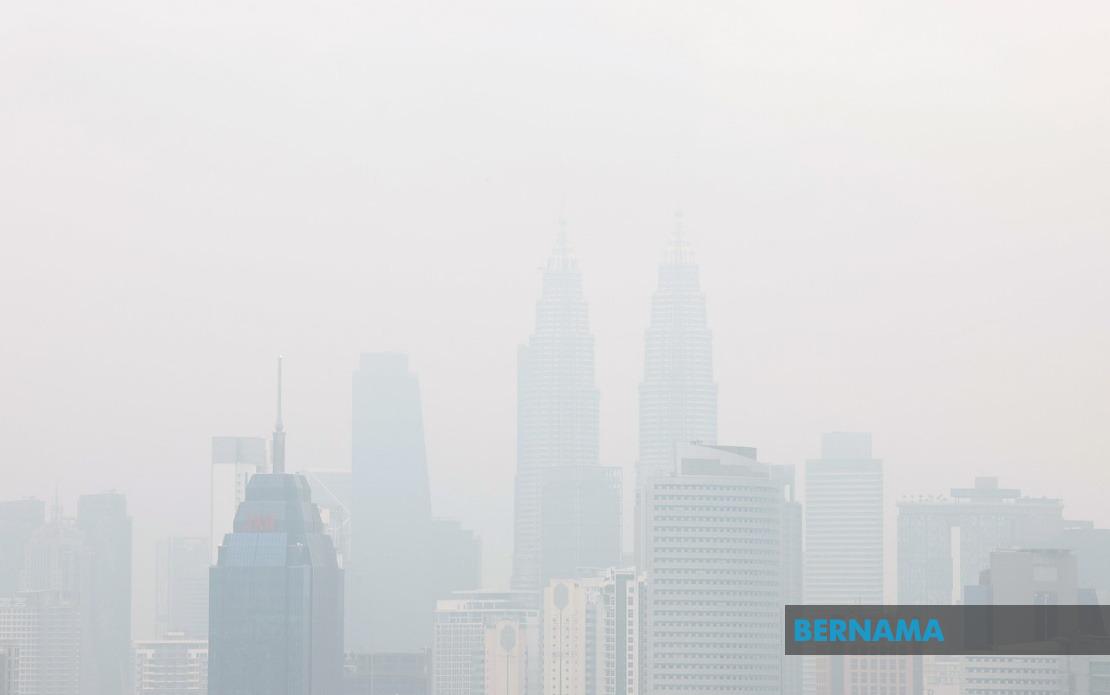
Malaysia's Youth and Sports Minister Dr Mohammed Taufiq Johari has reassured the nation that deteriorating air quality will not compromise preparations for the Aichi-Nagoya 2026 Asian Games, which commence on September 19 and run through October 3. Speaking in Sungai Petani after participating in a Merdeka motorcycle convoy, the minister underscored that the government has implemented precautionary protocols designed to keep athletes' training regimes on track while simultaneously safeguarding their respiratory health and overall fitness.
The assurance comes as regional haze conditions intensify across Southeast Asia, prompted by seasonal factors and transboundary pollution. The issue has become significant enough to warrant discussion at the Cabinet level, where ministers acknowledged the deteriorating air quality and committed to continuous monitoring throughout the critical pre-Games period. This Cabinet-level attention signals the seriousness with which the government views both the athletic preparations and the underlying environmental challenge.
Dr Taufiq explained that the government has consulted extensively with the National Sports Institute (ISN), the principal technical body overseeing elite athlete development in Malaysia, to devise a balanced approach. Rather than suspending training outright or allowing athletes to work through hazardous conditions, the strategy emphasizes flexibility and pragmatic resource allocation. The consultation reflects a recognition that disrupting training immediately before a major Games would be counterproductive, yet ignoring air quality risks would be reckless.
Central to the mitigation strategy is a significant shift in training distribution between outdoor and indoor environments. Outdoor sessions are being systematically reduced as the haze intensifies, with the freed training hours reallocated to indoor facilities. This approach leverages Malaysia's substantial investment in sports infrastructure, including indoor stadiums, climate-controlled training halls, and specialized athletic centers that can replicate competition conditions without exposure to poor air quality. Such facilities have become increasingly sophisticated, allowing swimmers, gymnasts, shuttlers, and track athletes to maintain competitive preparation standards indoors.
The minister emphasized that athlete wellbeing remains the overarching priority, suggesting that the government will continue adjusting protocols based on real-time air quality data. This adaptive stance indicates recognition that haze intensity fluctuates daily and regionally, necessitating flexible responses rather than rigid policies. Athletes competing at Malaysia's national level typically train at facilities in Bukit Jalil, Kuala Lumpur, and other regional centers; the distribution across multiple venues provides some geographic flexibility for finding cleaner air pockets when needed.
For Malaysia, participation in the Aichi-Nagoya Games carries considerable weight both athletically and diplomatically. The nation typically ranks among the top medal-winning delegations at Asian Games, with recent performances in badminton, diving, and aquatics particularly strong. Any disruption to preparation timelines could potentially affect medal prospects, making the government's proactive stance understandable. Southeast Asian nations collectively contributed over 1,300 medals across the last Asian Games cycle, and Malaysia competes intensely within this regional ecosystem.
The haze situation also illuminates broader regional challenges in air quality management that extend beyond individual sporting events. Seasonal transboundary pollution has become a recurring issue affecting multiple Southeast Asian nations simultaneously, often lasting several weeks. The commitment to monitor haze levels continuously suggests the government is treating this as both a sports management issue and a public health concern, with implications stretching beyond the athlete population to the general public.
Outdoor sports such as athletics, cycling, and endurance events face particular sensitivity to air quality concerns. Training at high intensity in polluted air can reduce aerobic capacity development and increase respiratory stress. By shifting these activities indoors where feasible, the government addresses a genuine physiological concern. However, some outdoor sports elements—particularly those requiring specific environmental conditions like open-water swimming or shooting in varied light conditions—present logistical challenges that require creative solutions or acceptance of calculated risk.
The Merdeka motorcycle convoy mentioned by Dr Taufiq, which drew nearly 400 participants across the Sidam constituency, Pantai Merdeka, and Bakar Arang, served a dual purpose beyond ceremonial commemoration. Such community engagement initiatives allow ministers to communicate directly with constituents about government initiatives, including the Asian Games preparations and, implicitly, the government's response to environmental challenges. The extended three-hour event format enabled sustained interaction with local communities at multiple stops.
Looking forward, the success of Malaysia's Asian Games campaign will likely depend partly on how effectively these adaptations are implemented. Athletes require psychological confidence that their preparation environment is safe and optimized, not merely a stopgap measure. The National Sports Institute's involvement ensures that technical considerations regarding training methodology, recovery protocols, and competition simulation receive expert attention rather than ad-hoc decision-making.
The minister's statement also reflects awareness that media attention and public confidence matter in elite sports. By publicly committing to comprehensive protocols and enlisting institutional expertise, the government signals competence and seriousness to both athletes and the broader public. This confidence-building function is particularly important in Malaysia's sports ecosystem, where government support and public interest drive elite athlete development.
Regional cooperation may also play a role in addressing the haze challenge. As multiple Southeast Asian nations compete in the same Games and face similar air quality issues, there may be opportunities for collective advocacy or information-sharing regarding training adaptations. The Asian Games themselves, as a regional institution, could potentially lead efforts to minimize outdoor competition timing during peak haze periods, though such decisions involve complex scheduling considerations.
Ultimately, Dr Taufiq's assurance reflects the government's commitment to ensuring that Malaysia fields adequately prepared delegations in Aichi-Nagoya despite environmental headwinds. The strategy of redistributing training loads toward controlled indoor environments, while maintaining real-time air quality monitoring and advisory adjustments, represents a sophisticated approach to managing competing priorities—athletic excellence, athlete health, and environmental reality.

