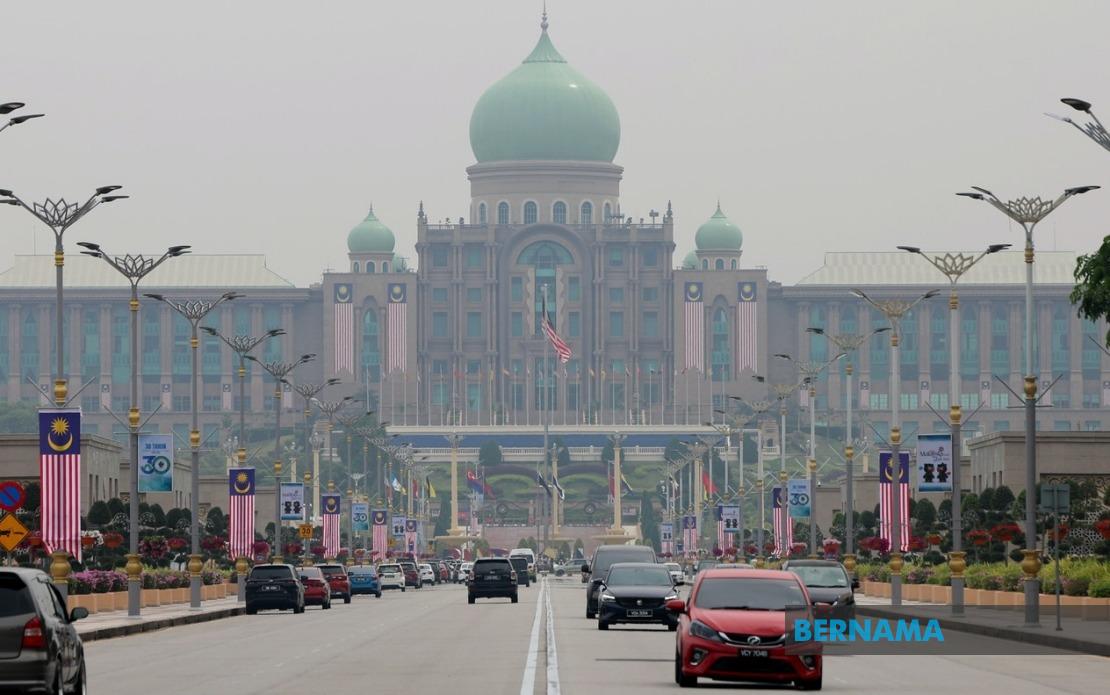
Prime Minister Datuk Seri Anwar Ibrahim is expected to tackle the escalating haze problem that has blanketed parts of the region during his high-level talks with the Sultan of Brunei, Sultan Hassanal Bolkiah, in what represents the most significant diplomatic engagement on the issue at the executive level in recent weeks. The two leaders will convene for the 27th Malaysia-Brunei Annual Leaders' Consultation (ALC-27) during Anwar's two-day working visit to Bandar Seri Begawan, beginning tomorrow, marking a critical opportunity to coordinate regional responses to the transboundary air quality crisis.
The Malaysian High Commissioner to Brunei, Datuk Mohd Aini Atan, confirmed at a press briefing that environmental degradation will rank among the priority subjects discussed between the two delegations. He emphasised that the inclusion of senior Bornean officials in the Malaysian delegation underscores the severity with which Kuala Lumpur views the crisis, particularly given the disproportionate impact on the eastern Malaysian states.
Sarawak has emerged as the epicentre of the current haze episode, with air quality indices reaching hazardous levels across multiple population centres. The Serian district recorded the most severe readings, with an Air Pollutant Index measurement of 204 as of 5 pm on August 20, placing it firmly in the "very unhealthy" category according to the Malaysian Air Pollutant Index Management System portal. This threshold represents a significant public health risk, particularly for vulnerable populations including children, the elderly, and those with respiratory conditions.
The contamination extends beyond isolated pockets. Metropolitan Kuching, the state capital and commercial hub, registered a concerning reading of 195, while Samarahan posted 182. Further inland, Sri Aman documented 179, with Sarikei and Sibu recording 158 and 152 respectively, all classified as "unhealthy" by official standards. The geographic spread indicates a systemic problem rather than localised atmospheric conditions, suggesting transboundary pollution originating from external sources, likely across the Indonesian border.
The presence of Sarawak Premier Tan Sri Abang Johari Tun Openg and Sabah Chief Minister Datuk Seri Hajiji Noor within Anwar's delegation signals that the discussions will extend beyond diplomatic pleasantries to encompass substantive policy coordination. These two state leaders bring direct administrative experience managing the crisis on the ground and possess detailed knowledge of the underlying causes and potential mitigation strategies. Their participation elevates the consultation beyond a purely federal-level exchange.
The Annual Leaders' Consultation mechanism itself reflects the institutional architecture designed for top-tier bilateral engagement between Malaysia and Brunei. This annual format, now in its 27th iteration, has served as the principal vehicle for resolving complex bilateral matters requiring executive decision-making. The choice to prioritise the haze agenda at this platform indicates recognition that the problem transcends routine environmental management and demands intervention at the highest diplomatic and policy levels.
Brunei's direct interest in the haze situation stems from its shared geography and atmospheric circulation patterns. The sultanate, despite its smaller landmass and population, faces similar air quality degradation when regional pollution events occur. Cross-border collaboration on environmental monitoring, information sharing, and coordinated advocacy with source countries becomes essential when addressing transboundary air pollution. Sultan Hassanal Bolkiah's engagement on this issue would strengthen the Bruneian government's position in any regional discussions addressing the root causes.
The timing of this bilateral consultation also carries broader implications for Southeast Asian environmental diplomacy. The Association of Southeast Asian Nations has historically struggled to implement effective mechanisms for managing transboundary haze, particularly regarding accountability and enforcement against major pollution sources. Enhanced Malaysia-Brunei coordination might serve as a model for more robust regional environmental governance structures.
For Malaysian citizens, particularly those in Sarawak currently experiencing hazardous air conditions, the elevation of haze discussions to prime ministerial level offers modest grounds for optimism. Direct engagement between Malaysian and Bruneian leadership creates formal channels for diplomatic pressure on third parties and opens pathways for technical cooperation on monitoring and predictive modelling. However, meaningful improvement ultimately depends on addressing the root causes upstream, which lie substantially beyond Malaysia's direct control.
The haze phenomenon also intersects with broader strategic considerations in the South China Sea and regional geopolitics. Environmental cooperation provides a pragmatic foundation for strengthening Malaysia-Brunei relations, which have historically been cordial but occasionally overshadowed by maritime boundary matters and resource competition. Demonstrating concrete results on haze management could serve as a confidence-building measure with implications extending beyond environmental policy.
Beyond the immediate transboundary dimension, sustained haze episodes threaten economic activity across affected regions. Tourism, agriculture, and outdoor industries suffer direct losses when air quality deteriorates. Sarawak's economy, increasingly diversified but still vulnerable to environmental shocks, faces economic headwinds when investor and tourist confidence falters due to poor air quality. Diplomatic initiatives addressing these underlying concerns acquire economic weight alongside environmental and public health justifications.
The consultation format also provides opportunity for Anwar's delegation to share data, research findings, and modelling results that might illuminate the transboundary pollution pathways. Technical capacity-building and information exchange constitute foundational elements upon which diplomatic pressure and multilateral coordination ultimately rest. Brunei's role as a smaller but technologically sophisticated nation means it may contribute specialised expertise in monitoring and analysis that enhances both countries' understanding of the phenomenon.

