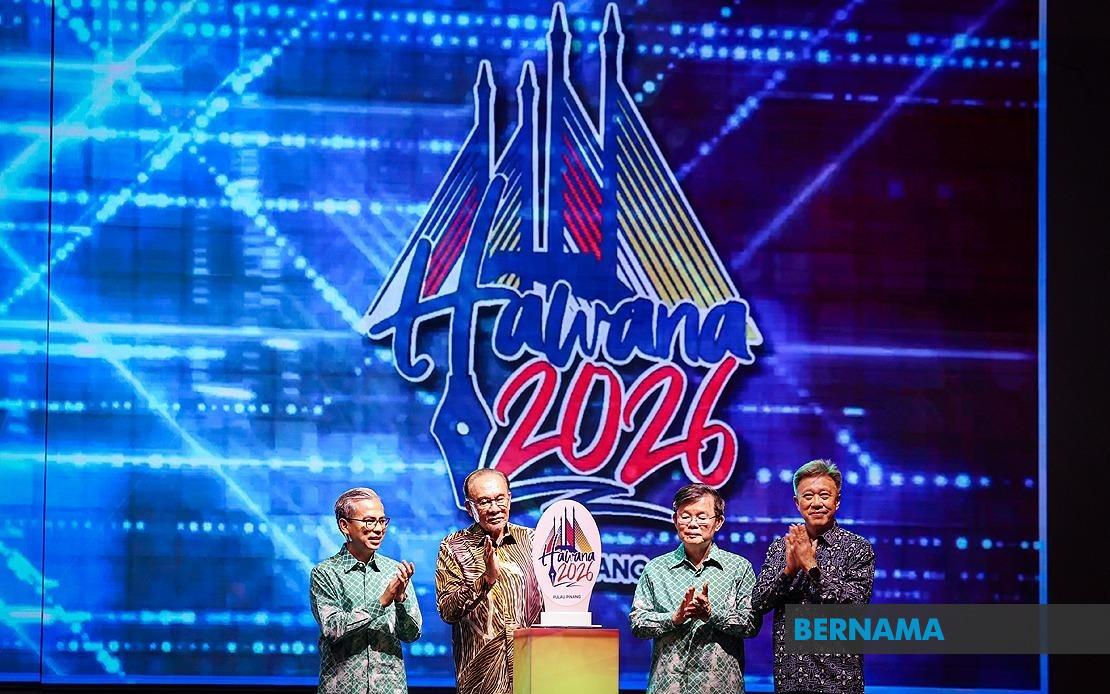
The National Journalists' Day celebration, known as HAWANA 2026, drew to a close in Penang this week, reinforcing the critical role that media integrity plays in maintaining public credibility and trust. Held at the PICCA@Arena Butterworth Convention Centre, the three-day event attracted almost 1,000 media professionals from across Malaysia and the broader Southeast Asian region, including representatives from Indonesia, Cambodia and Timor-Leste, underscoring the event's growing significance as a platform for journalistic excellence and regional dialogue.
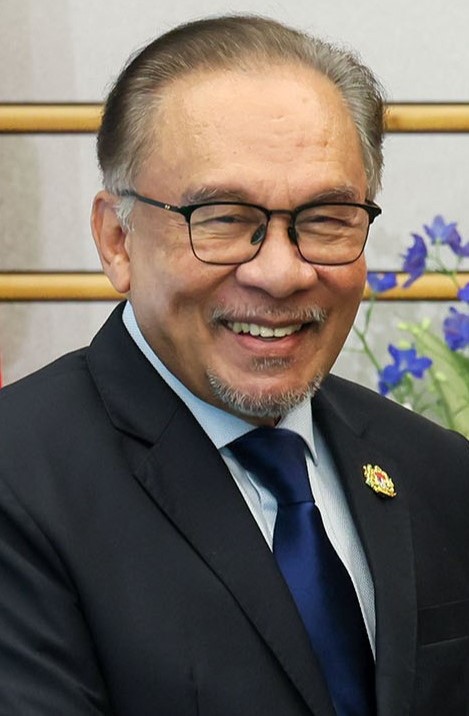
The gathering, which operated under the banner "Media Integrity Strengthens Credibility", was officially inaugurated by Prime Minister Datuk Seri Anwar Ibrahim on Saturday, signalling the government's continued investment in Malaysia's journalism sector. The prime minister's presence and his substantive policy announcements reflected the administration's recognition that a robust, independent media ecosystem remains foundational to informed citizenship and responsible governance across the nation.
Among the most significant announcements was Anwar's allocation of an additional RM1 million to the Tabung Kasih@HAWANA welfare fund, a programme designed to provide financial assistance to media practitioners facing hardship. This top-up represents a meaningful expansion of safety nets for journalists and content creators who work across Malaysia's diverse media landscape. Complementing this initiative, the prime minister reaffirmed the government's commitment to the Media Innovation Fund, which specifically targets local news organisations seeking to navigate the accelerating digital transformation reshaping the industry. These twin investments signal a strategic pivot toward both human welfare and technological modernisation.
Communications Minister Datuk Fahmi Fadzil further strengthened the welfare framework by announcing that Telekom Malaysia has become the latest corporate partner of the welfare fund, committing RM500,000 to support practitioners currently working in journalism and broadcasting as well as those who have retired from the profession. Since its establishment in 2023, the Tabung Kasih@HAWANA programme has distributed assistance totalling RM2.26 million to 773 media professionals nationwide, demonstrating tangible impact across a sector that frequently grapples with job insecurity and volatile employment conditions.
The ceremonial aspect of HAWANA 2026 included presentations recognising individual contributions to Malaysian journalism. Former Broadcasting director-general Datuk Suhaimi Sulaiman received the principal HAWANA Award in acknowledgement of his sustained excellence in broadcasting and journalism. Yet the most emotionally resonant moment came when Prime Minister Anwar presented the Special HAWANA Award 2026 posthumously to Azlan Idris, the former head of Bernama Radio, who passed away on January 15 at age 57. His widow, Wan Syahrina Wan Abdul Rahman, received the honour as the hall observed a moment of quiet respect. Azlan's career spanned decades across multiple outlets including TV3, NTV7 and Channel 9, and he played an instrumental role in establishing and developing Bernama Radio since its 2007 launch, as well as coordinating four editions of HAWANA.
Beyond national recognition, HAWANA 2026 served as a vehicle for deepening media cooperation across the ASEAN region. Bernama, Malaysia's national news agency, formalised a memorandum of understanding with Timor-Leste's national news agency, Agência Noticiosa de Timor-Leste (TATOLI), during the summit. The exchange was signed by Bernama's chief executive officer Datin Paduka Nur-ul Afida Kamaludin and TATOLI president Noémio Mateus Soares Falcão, and was formally endorsed by both Communications Minister Fahmi Fadzil and Timor-Leste's Secretary of State for Social Communication Expedito Loro Dias Ximenes, with Prime Minister Anwar witnessing the signing. This bilateral agreement represents a practical commitment to information sharing, professional development, and journalistic standards harmonisation within Southeast Asia's evolving media landscape.
The celebration extended beyond government-led proceedings and industry forums, incorporating cultural programming and community engagement. The RIUH Pi HAWANA Carnival, held over three days in conjunction with the main event, featured performances by Malaysian musical acts including Exists, Bunkface, Kugiran Masdo, Sakura Band, Budak Nakal Hujung Simpang and Chelsea Ng. Organised collaboratively between the Communications Ministry and the MyCreative Ventures platform, the carnival hosted more than 24 local creative brands and 20 food and beverage establishments, alongside interactive workshops. This fusion of professional programming with cultural entertainment reflected an approach to media celebration that appeals beyond the newsroom to wider Malaysian society, acknowledging the creative industries' interconnection with journalism.
The event's professional programming addressed substantive industry challenges and professional development. The Malaysian Federation of Media Clubs (GKMM) convened the Malaysia Media Retreat 2.0, while the Malaysian Press Institute (MPI) hosted a particularly pointed town hall titled "2035: Will Journalists Still Exist?", prompting critical reflection on the profession's sustainability amid technological disruption and economic headwinds. A dialogue session with Communications Minister Fahmi Fadzil and a dinner hosted by the Malaysian Media Council further facilitated discussion between government, media organisations, and industry bodies regarding regulatory frameworks, professional standards, and strategic priorities.
Penang's role as host extended beyond logistical coordination to regional diplomacy. One day before the main summit, Penang Governor Tun Ramli Ngah Talib hosted a dinner honouring nearly 350 guests from Malaysian and ASEAN media sectors, recognising journalism's contributions to nation-building and regional stability. For Penang itself, HAWANA 2026 represented an opportunity to demonstrate state-level infrastructure capabilities, attract media industry attention, and generate tourism and economic activity during the three-day period.
The successful execution of HAWANA 2026 also showcased Bernama's operational sophistication as Malaysia's lead national news agency and the summit's primary organiser. The event featured the first live television broadcast in HAWANA's history, relying on in-house expertise and internal production capacity. This technical milestone reflects broader institutional capacity building within Bernama and the Malaysian media sector as organisations invest in quality production capabilities to compete in an increasingly digitised information environment.
The three-day event was preceded by an extended lead-up programme, including the HAWANA Media Forum held on May 7, a meet-and-greet gathering with strategic partners on June 4, and the HAWANA Fun Walk on June 14, all of which contributed to building momentum and engagement across Malaysia's dispersed media community. This phased approach ensured that HAWANA 2026 functioned not as a single ceremonial event but as a broader initiative reinforcing professional networks and institutional commitment to journalistic values across the industry sector.