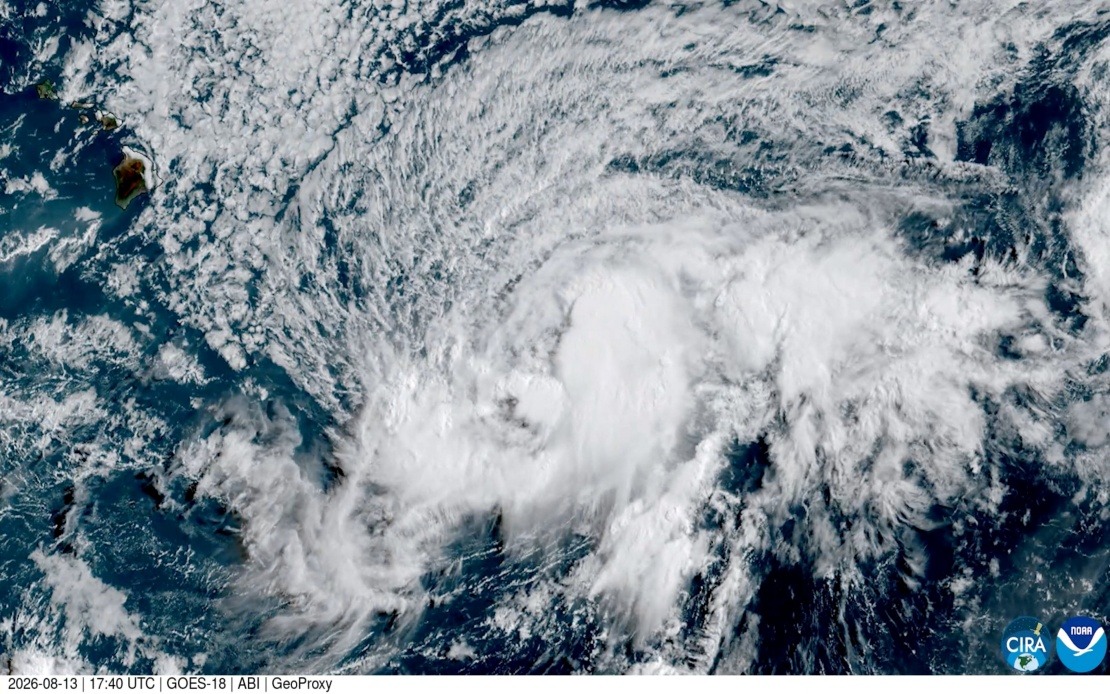
Hawaii's Big Island faces an exceptionally rare meteorological event this weekend as Tropical Storm Lala intensifies and moves toward the island chain. The National Hurricane Centre has projected that the system will reach hurricane strength before making its approach to the Big Island on Saturday, setting the stage for what could be a historic weather event for the region. Should the storm make landfall as currently predicted, it would represent the first hurricane to strike the island in more than 150 years—a milestone that underscores how infrequently such systems directly impact this part of the Pacific.
The last documented hurricane to reach the Big Island occurred in 1871, when a Category 3 system struck the northeast corner of the island, according to historical research conducted by University of Hawaii atmospheric scientists who examined newspaper accounts from that era. This substantial gap in hurricane landfalls means that much of the current population and infrastructure on the island has no direct experience with such an event. Vanessa Almanza, a meteorologist with the National Weather Service in Honolulu, noted that the approaching threat represents unprecedented territory for the satellite era, adding that the latest forecast models position Lala extremely close to the southern tip of the Big Island.
The dual hazards posed by Lala extend beyond wind damage alone. Heavy rainfall accompanying the hurricane poses a significant threat of destructive flooding across vulnerable areas of the island, with the potential to overwhelm drainage systems and create dangerous conditions in low-lying regions. Simultaneously, the strong winds characteristic of hurricane-force systems could ignite or accelerate wildfires across dry vegetation zones on the Big Island, compounding the disaster risk facing residents and authorities managing emergency response.
In response to the escalating threat, the National Hurricane Centre issued a hurricane warning specifically for the Big Island, indicating the highest level of weather alert for that location. Separately, a tropical storm warning was put into effect for Maui County, which encompasses the islands of Maui, Molokai, Lanai, and Kahoolawe. These warnings reflect the broader geographical area of concern across the Hawaiian archipelago, though the Big Island faces the most severe potential impacts based on current trajectory models.
For Malaysian and Southeast Asian observers, the situation illustrates the vulnerability of island communities to tropical cyclone systems and the complexities of hurricane preparedness in regions where such events occur infrequently. While tropical storms and monsoons are familiar phenomena in Southeast Asia, the intensity and specific characteristics of Atlantic and Pacific hurricane systems present distinct challenges for island populations. The Big Island's situation demonstrates how extended periods without major hurricane strikes can complicate evacuation planning, building code enforcement, and public readiness, as institutional memory fades and infrastructure investments may not prioritize hurricane resilience.
The prospect of a significant hurricane reaching Hawaii also carries broader implications for Pacific island nations and territories scattered across the region. Climate patterns and seasonal variations mean that hurricane activity fluctuates considerably year to year and decade to decade. The Big Island's long reprieve from direct hurricane strikes does not guarantee continued protection, and meteorological experts worldwide monitor such systems carefully to improve forecasting accuracy and understanding of tropical cyclone behavior across different ocean basins.
Emergency management authorities across the Hawaiian islands have activated response protocols and are coordinating with federal, state, and local agencies to ensure adequate preparation. Residents on the Big Island and neighboring islands are being advised to secure property, gather emergency supplies, and remain alert to updated forecasts and official guidance. The window for preparation, though relatively narrow given the weekend timeline, remains critical for ensuring public safety and minimizing potential losses.
The intensity and track of Tropical Storm Lala will be monitored continuously by meteorological services, with updates issued as the system approaches. Small adjustments in the storm's path, forward speed, or intensity could significantly alter the impact on individual islands. The National Weather Service and National Hurricane Centre maintain sophisticated modeling systems that incorporate vast amounts of atmospheric data to provide the most accurate forecasts possible, though inherent uncertainties always remain when predicting hurricane behavior several days in advance.
For Hawaii's tourism industry and broader economy, a major hurricane strike would carry substantial consequences, disrupting transportation, hospitality operations, and essential services. Insurance implications and long-term property damage assessments would occupy public attention in the aftermath. This economic dimension parallels concerns in other Pacific and Southeast Asian island economies similarly exposed to tropical cyclone risks, where a single major storm can erase years of development gains and strain recovery resources.

