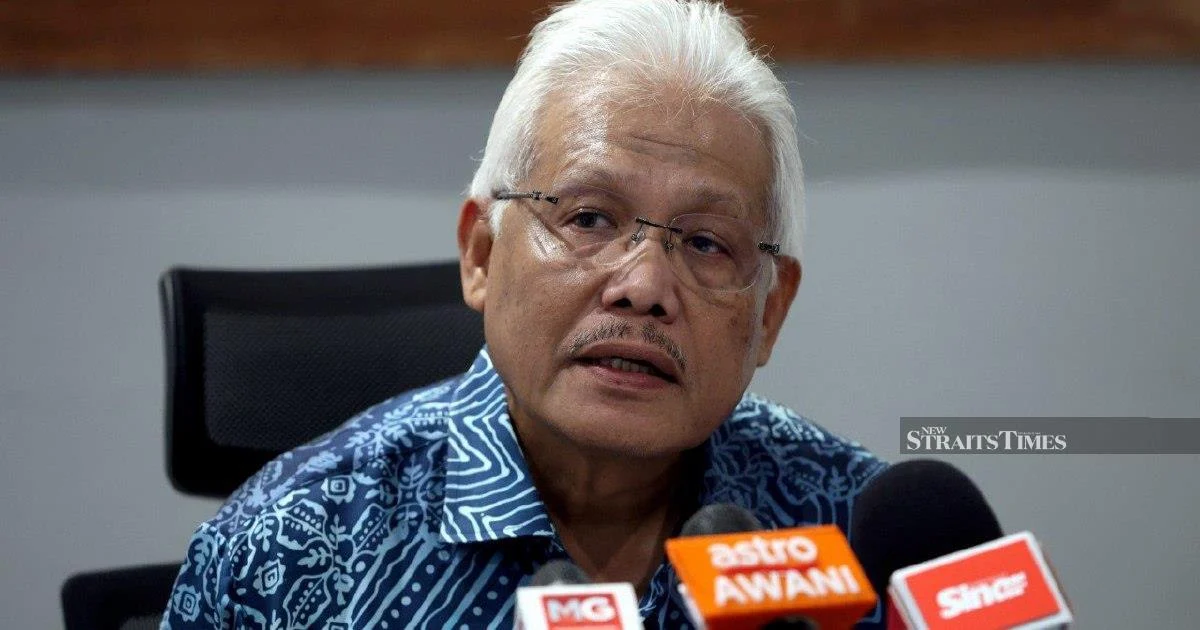
Parti Wawasan Negara, the recently rebranded political entity formerly known as Parti Cinta Malaysia, has signalled its intention to serve as an intermediary between two of Malaysia's most influential Malay-based political organisations: Pas and UMNO. Hamzah Zainudin, leading the party, has articulated a vision centred on strengthening cohesion within Malaysia's Malay political landscape whilst mitigating the risks posed by internal fractures that could ultimately disadvantage the broader community.
The repositioning of the party under its new name carries symbolic weight in Malaysian politics. By adopting Parti Wawasan Negara—a title emphasising national perspective and vision—the organisation is signalling a departure from narrower factional politics and positioning itself as an entity concerned with overarching strategic interests. This rebranding appears deliberate, suggesting that the party wishes to be perceived as transcending personal or organisational rivalries in favour of collective advancement. For Malaysian observers, the shift from Parti Cinta Malaysia to Parti Wawasan Negara represents an attempt to establish legitimacy as a neutral player capable of facilitating dialogue rather than exacerbating existing tensions.
The relationship between PAS and UMNO has historically been complex, characterised by periods of collaboration and significant ruptures. Both parties draw support from the Malay-Muslim electorate but have diverged on matters of governance philosophy, religious positioning, and economic priorities. These tensions occasionally crystallise into public disputes that reverberate through Malaysian politics and affect the stability of governing coalitions. The prospect of deepening divisions between these two powerhouses carries serious implications for how Malay-Muslim interests are represented in national policymaking and electoral outcomes. Hamzah Zainudin's party appears to recognise that allowing such divisions to calcify could fragment Malay political power at a moment when other demographic and political forces are reshaping the Malaysian electoral landscape.
The concept of acting as a bridge between PAS and UMNO is not without precedent in Malaysian political history. Various actors and organisations have attempted similar intermediary roles during periods of heightened tension. However, success in such endeavours typically requires both considerable political capital and acceptance from the parties being mediated. Parti Wawasan Negara's credibility as a neutral interlocutor may depend significantly on its perceived independence from either PAS or UMNO, as well as its ability to articulate proposals that serve the genuine interests of both organisations rather than advancing partisan agendas disguised as compromise solutions.
The timing of this proposal warrants scrutiny. Malaysia's political landscape continues to evolve following recent electoral cycles and shifts in coalition configurations. The Malay-Muslim electorate remains pivotal to electoral outcomes, yet the mechanisms through which their interests are articulated and pursued remain subject to considerable contestation. By positioning itself as concerned primarily with preventing divisions that would harm the people, Parti Wawasan Negara is attempting to capture a constituency of voters and observers who fear the costs of prolonged political fragmentation within these communities.
The emphasis on preventing divisions that could prove detrimental to the people reflects an understanding that political infighting ultimately diminishes the capacity of elected representatives to deliver substantive benefits to constituents. When Malay-based parties engage in damaging public disputes, the narrative often centres on competition for leadership, ideological positioning, and internal dominance. This frequently comes at the expense of attention to concrete policy outcomes in areas such as economic opportunity, education, and social welfare. Hamzah Zainudin's framing suggests recognition that voters increasingly penalise parties perceived as prioritising internal struggles over constituent service.
From a regional perspective, Malaysia's internal political stability and the coherence of its major political coalitions carry implications beyond national borders. Southeast Asian observers of Malaysian politics often view the management of Malay-Muslim political interests as a crucial indicator of broader stability. Political fragmentation that weakens these communities' collective influence could potentially affect Malaysia's position within regional frameworks and its capacity to maintain consistent foreign and domestic policies. The attempt to strengthen Malay political unity, therefore, carries resonances that extend beyond electoral mathematics to questions of national strategic coherence.
The challenge facing Parti Wawasan Negara in executing this intermediary role will be substantial. Both PAS and UMNO possess deep organisational resources, established voter bases, and leadership structures with considerable autonomy. Neither party has demonstrated willingness to subordinate its interests to external mediation in recent years. For Hamzah Zainudin's party to achieve meaningful success, it would need to develop sophisticated understanding of the underlying interests and constraints affecting both organisations, and to propose mechanisms for collaboration that genuinely address their respective concerns rather than merely papering over differences.
The viability of this bridging strategy will also depend on the broader political environment. Should Malaysia's political situation stabilise around existing coalition arrangements, the urgency of mediation efforts may diminish. Conversely, if tensions between PAS and UMNO intensify or if electoral calculations shift dramatically, receptiveness to third-party mediation could increase. Parti Wawasan Negara's positioning as a potential bridge thus represents both a genuine political opportunity and a substantial wager on future political developments.
Looking forward, the effectiveness of this approach will ultimately be measured by whether Hamzah Zainudin's party can facilitate concrete improvements in relations between PAS and UMNO, or whether it remains relegated to the periphery of Malaysian politics, offering commentary but wielding limited influence. The party's success in attracting both political attention and voter support will likely depend on its ability to demonstrate that bridging efforts produce tangible benefits for the communities it claims to serve, rather than merely serving as a vehicle for its own organisational advancement.

