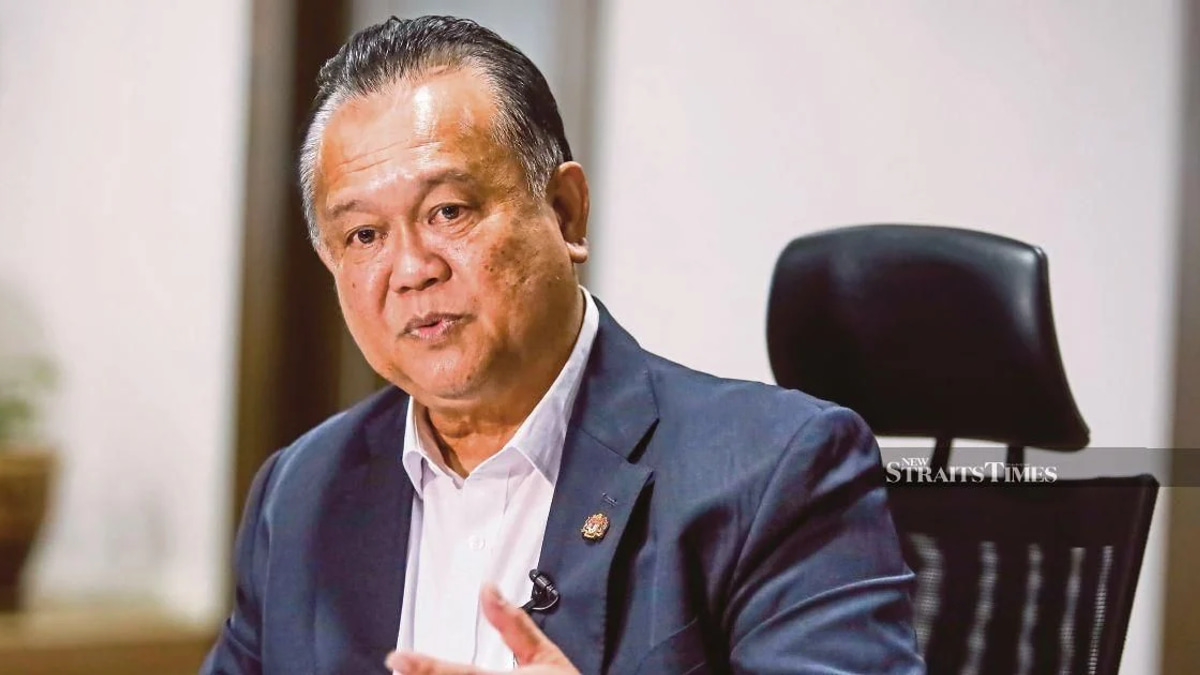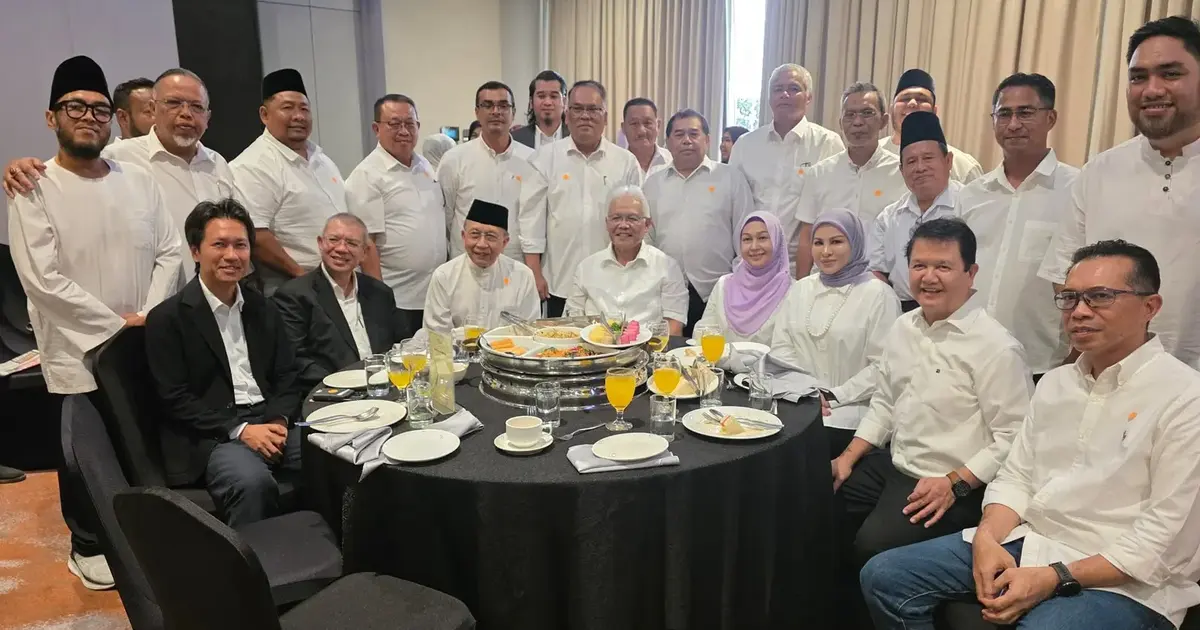
Wawasan has made significant changes to its upper echelon, appointing Hamzah to the position of president in a move that signals the party's attempt to strengthen its organisational structure and political standing. The appointment comes as part of a broader leadership reshuffle aimed at positioning the party for greater influence within Malaysia's evolving political landscape.
Rais Yatim, a seasoned political veteran who has held ministerial portfolios across multiple administrations, has been appointed to chair the party. His elevation to this role underscores Wawasan's confidence in his extensive experience navigating Malaysian politics through various coalition arrangements and government formations. Rais Yatim's appointment brings institutional credibility to the party, leveraging his long track record of navigating complex political negotiations and his established relationships across the political spectrum.
Saifuddin Abdullah, the Member of Parliament for Indera Mahkota, has been designated as the party's secretary-general. As the constituency representative, Saifuddin Abdullah's appointment reflects Wawasan's commitment to ensuring that individuals with active grassroots connections and parliamentary representation assume key administrative roles. His position as secretary-general places him at the centre of day-to-day party operations and strategic coordination.
The restructuring represents a deliberate recalibration of Wawasan's leadership priorities at a time when Malaysian politics remains fluid and coalition dynamics continue to shift. By consolidating experienced political operators in senior positions, the party appears to be preparing itself for potential opportunities that may emerge from the country's complex multiparty system. The emphasis on having parliamentarians and seasoned administrators in these roles suggests a focus on improving the party's organisational effectiveness and political relevance.
For Malaysian observers, the appointment carries implications for how Wawasan might position itself within existing or future coalition arrangements. The combination of Hamzah's presidentiality, Rais Yatim's extensive governmental background, and Saifuddin Abdullah's parliamentary standing creates a leadership trinity with complementary strengths in executive management, institutional knowledge, and legislative representation. Such complementarity often signals a party's readiness to engage more actively in national politics.
Within the Southeast Asian context, Wawasan's leadership restructuring reflects broader trends among regional political parties seeking to consolidate their positions amid demographic changes and evolving voter preferences. The appointment of relatively younger or more modern-facing leaders alongside established political figures represents a common strategy employed by parties attempting to bridge generational divides while retaining institutional continuity.
The timing of these appointments may also signal internal discussions about Wawasan's medium-term electoral strategy and coalition preferences. In Malaysian politics, such leadership changes frequently precede shifts in party alignment or the pursuit of greater parliamentary influence. The elevation of individuals with proven administrative capacity suggests that the party may be preparing to take on greater responsibilities should coalition negotiations present such opportunities.
For members and supporters of Wawasan, the new leadership constellation offers clarity about the party's operational direction. The presence of three seasoned political operators at the apex of party hierarchy provides assurance about strategic competence and the ability to navigate ongoing political developments. The specific portfolios assigned—presidency, chairmanship, and secretariat responsibilities—indicate a clear division of labour designed to balance ceremonial, strategic, and administrative functions.
The broader significance of this reshuffle extends beyond mere personnel changes. It reflects Wawasan's assessment that strengthening internal organisational capacity remains essential for political survival and growth in Malaysia's competitive multiparty environment. By appointing individuals with proven track records in government, parliament, and party administration, Wawasan is signalling to potential coalition partners, voters, and its own membership that the party possesses the institutional maturity necessary for assuming greater national responsibilities.
Looking forward, the effectiveness of this leadership restructuring will be measured by Wawasan's ability to translate these appointments into improved party cohesion, enhanced electoral performance, and increased influence in parliamentary proceedings. The success of Hamzah, Rais Yatim, and Saifuddin Abdullah in their respective roles may determine whether this reshuffle represents a turning point in the party's trajectory or merely another cycle of leadership rotation within Malaysia's complex political ecosystem.