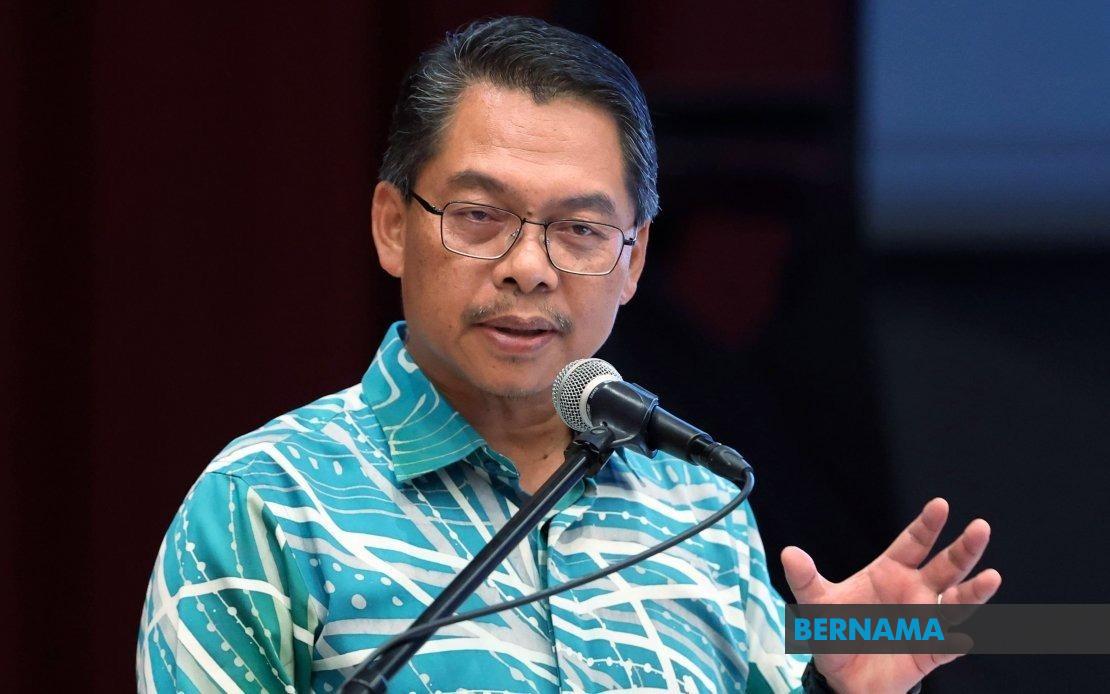
The presence of Sabah Chief Minister Datuk Seri Hajiji Noor and other Gabungan Rakyat Sabah (GRS) leaders at the 2026 PKR National Congress in Melaka demonstrates the deepening political cooperation between the Sabah state government and Malaysia's federal administration, according to senior officials in attendance. The gathering, held at the Melaka International Trade Centre and themed 'Memugar Reformasi, Membina MADANI', brought together representatives from different coalition partners to chart the direction of the ruling alliance's development agenda over the next parliamentary cycle.
Datuk Mustapha Sakmud, who chairs the Sabah PKR Leadership Council and serves as Minister in the Prime Minister's Department overseeing Sabah and Sarawak Affairs, characterised the cross-party attendance as a meaningful signal of commitment to collaborative governance. The visibility of prominent GRS figures—including Deputy Chief Minister I Datuk Seri Dr Joachim Gunsalam, Rural Development Minister Datuk Rubin Balang, and Youth, Sports Development and Creative Economy Minister Datuk Nizam Abu Bakar Titingan—demonstrated that political differences need not prevent constructive engagement on matters affecting the state's development trajectory.
Mustapha emphasised that the cooperation extending from this gathering transcends conventional party politics, encompassing economic policy, infrastructure development, and social welfare initiatives affecting ordinary Sabahans. He stressed that translating political stability into tangible improvements in citizens' lives remains the shared objective, with particular focus on generating economic opportunities, enhancing basic infrastructure, and addressing local grievances. This framing reflects broader concerns within Sabah about ensuring that federal resources and development programs adequately benefit the state, a persistent issue in federal-state relations.
The MADANI Government under Prime Minister Datuk Seri Anwar Ibrahim, who also leads PKR, has positioned itself as committed to inclusive national development that acknowledges regional diversity. Mustapha reinforced this commitment by noting the federal administration's responsibility to implement development programmes equitably across all regions while respecting each state's unique circumstances and requirements. For Sabah specifically, this message carries weight given historical grievances about resource distribution and federal attention to East Malaysian priorities.
A significant dimension of this political alignment concerns the Malaysia Agreement 1963 (MA63), the foundational constitutional compact governing Sabah and Sarawak's relationship with the Federation. Mustapha reaffirmed PKR's dedication to championing Sabah's rights and interests under MA63, emphasising the necessity of interpreting the agreement within a federal framework that upholds the state's special constitutional status. This commitment assumes particular importance as various stakeholders continue debating MA63 implementation, with different interpretations affecting resource control, immigration autonomy, and state fiscal authority.
The symbolic value of GRS leaders gracing a PKR-organised national congress should not be underestimated in Malaysia's coalition politics. GRS, which commands substantial legislative influence in Sabah, technically operates outside the federal ruling coalition's traditional structure, maintaining formal political independence while cooperating with the MADANI Government on specific policy matters. The attendance by multiple senior GRS figures suggests tacit acceptance of certain federal policy directions and reinforces a working relationship that, while not formalised as complete coalition integration, functions effectively on practical governance issues.
This political alignment also reflects broader strategic calculations within Malaysian federalism. Sabah's electoral significance—possessing 25 parliamentary seats in a 222-member Dewan Rakyat—makes its political orientation consequential for any federal government's stability and legislative capacity. The cooperation signals suggest that both GRS and PKR-led federal leadership prioritise maintaining functional relationships over engaging in the kind of zero-sum political competition that characterised earlier periods of Malaysian politics.
The development agenda articulated through this gathering holds particular relevance for Southeast Asian observers monitoring Malaysia's political stability and regional influence. A federal government managing productive relationships with all major state administrations, including those controlled by opposition or independent coalitions, demonstrates institutional maturity and suggests capacity for coherent national policymaking. For Sabah specifically, the demonstrated coordination offers potential benefits through improved federal investment, smoother policy coordination, and enhanced bargaining power in resource-sharing negotiations.
However, the strength of such political cooperation ultimately depends on translating rhetoric into measurable improvements in Sabahans' material conditions. Mustapha's emphasis on ensuring that stability produces economic opportunities and improved amenities acknowledges implicit pressure on both GRS and the federal government to demonstrate concrete returns from their partnership. Should development outcomes disappoint or resource allocation remain unequal, the political goodwill evident at the congress could diminish, destabilising the current working arrangement.
The congress itself, officiated by Anwar Ibrahim, serves as a strategic platform for the PKR-led coalition to present its reform credentials and development vision to the Malaysian electorate. By securing GRS participation, the gathering projects an image of broad-based consensus on national direction rather than narrow coalition governance. This presentational advantage carries value in Malaysia's competitive electoral environment, where voters increasingly evaluate governments on delivery and inclusivity rather than traditional partisan loyalty.

