The discovery of H5N1 avian influenza in South Australia has triggered fresh alarm bells among wildlife experts, who fear one of the world's most vulnerable marine mammal populations faces an imminent health crisis. Authorities confirmed the detection of Australia's first suspected case of the highly pathogenic strain in a seagull along the state's south-east coast, marking a worrying escalation in a growing outbreak that has now reached at least 40 confirmed or suspected infections across the region.
The epidemiological trajectory across South Australia illustrates the speed at which the virus is spreading through local bird populations. Since authorities first flagged the outbreak this week, case numbers have surged dramatically, with 33 of the 40 confirmed or suspected cases reported since Monday alone. The tally includes four detections on Kangaroo Island, the state's key marine habitat off the south coast, raising particular concern given that one infected bird was identified at Seal Bay—a location of profound ecological significance.
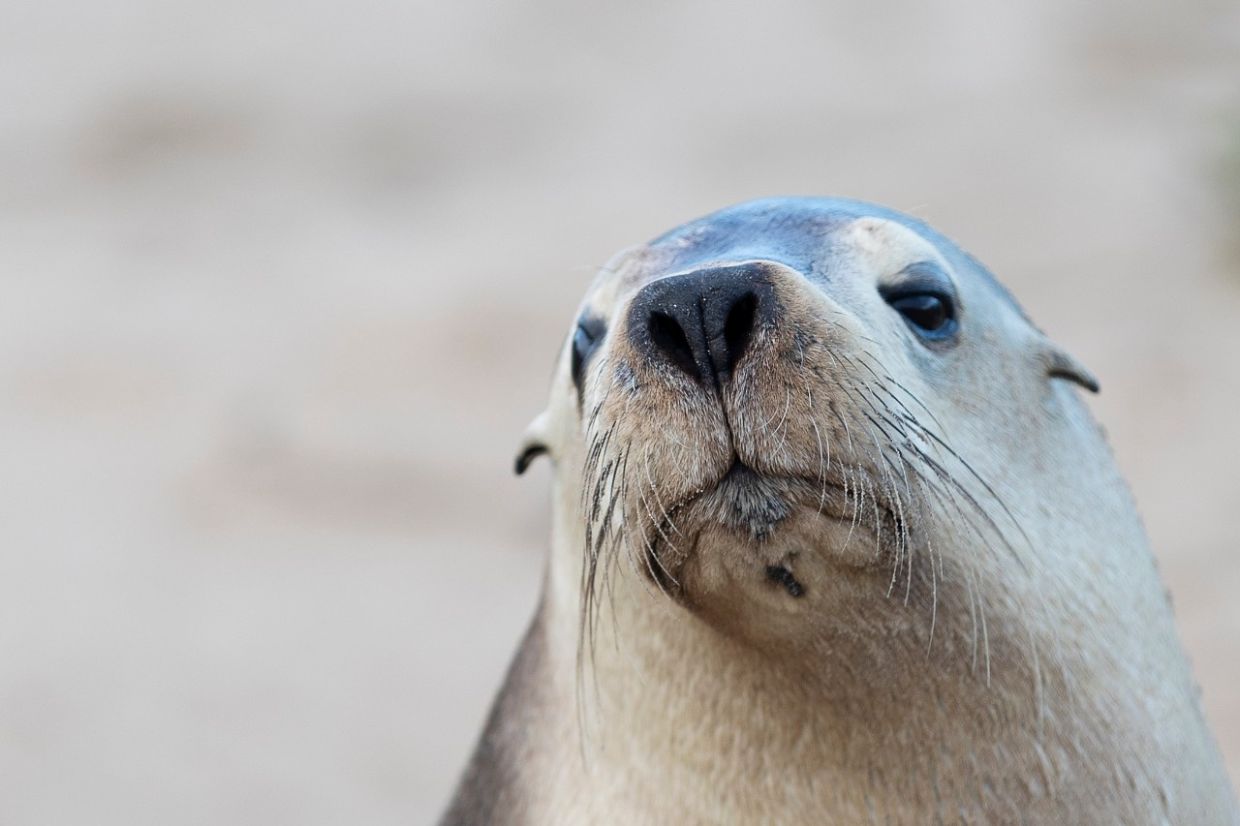
Seal Bay is home to approximately five per cent of the global population of Australian sea lions, one of the world's rarest pinnipeds. With fewer than 14,000 individuals remaining in the wild, every animal in this population carries disproportionate weight for the species' long-term survival. The presence of H5N1 at this specific location has therefore triggered urgent conservation action, with the South Australian government announcing a temporary suspension of commercial beach tours to minimise human-mediated transmission risks and protect the animals from further exposure.
Wayne Boardman, a wildlife veterinarian at the University of Adelaide, provided stark scientific context for the alarm now gripping conservation authorities. In an interview with the Australian Broadcasting Corporation, Boardman outlined the biological susceptibility of sea lions and fur seals to the H5N1 strain, drawing on documented ecological disasters in South America. Historical precedent suggests the transmission pathway from infected birds to sea lions is not merely possible but, in Boardman's assessment, virtually inevitable given current circumstances.
The precedents Boardman referenced are sobering. In 2022, H5N1 killed an estimated 30,000 sea lions across South America in a single six-month period—a catastrophic loss that vividly demonstrated the lethality of this pathogen in marine mammal populations. More recently, between August 2025 and January 2026, approximately 13,359 southern elephant seal pups perished on Heard Island in the Southern Ocean, further underscoring the virus's devastating impact on marine species. These events establish a clear biological pattern: when H5N1 enters marine mammal communities, mortality can be swift, extensive, and population-altering.
For Australia's sea lion population, the implications are potentially catastrophic. Unlike terrestrial wildlife that might benefit from geographic dispersal or isolation, sea lions are confined to specific breeding and haul-out sites. Seal Bay, as a congregation point for a significant fraction of the global population, represents a biological vulnerability that could amplify losses far beyond individual mortality statistics. The loss of thousands of animals from an already critically endangered population could push the species closer to functional extinction in certain regions.
The broader Australian context adds another layer of complexity to this emerging crisis. As of Friday, July 31, the rest of Australia's states and territories had reported 14 confirmed cases of the H5N1 strain, which first appeared on mainland Australia in June. This indicates the virus is not confined to South Australia but rather circulating across the continent, though South Australia remains the epicentre of documented infections. The possibility that infected birds could carry the virus to other sensitive coastal ecosystems cannot be excluded, raising the prospect of similar crises in other marine mammal habitats.
The Australian government's response has focused on containment and monitoring rather than alarm. Julie Collins, the Minister for Agriculture, Fisheries and Forestry, told reporters on Friday that authorities are working collaboratively with scientific experts to limit the spread of the highly pathogenic strain. She emphasised that no evidence of the virus has emerged in agricultural or poultry systems, and that the risk to human health remains low. This framing, while technically accurate, somewhat obscures the genuine ecological emergency unfolding in South Australia's coastal waters.
The distinction between agricultural and wildlife impacts is crucial for understanding Australia's policy response. The absence of infection in farmed bird populations means economic disruption to the poultry sector remains minimal, and food security is not immediately threatened. However, this should not be mistaken for overall safety. Wildlife, particularly marine mammals, represents a fundamentally different epidemiological scenario where transmission dynamics and mortality outcomes diverge sharply from those observed in terrestrial settings.
Looking forward, the next few weeks will be critical for determining whether H5N1 becomes permanently established in South Australian sea lion populations. If transmission occurs and takes hold, the conservation implications would reverberate throughout global marine mammal protection efforts. The Australian sea lion is already classified as endangered, with historical whaling, fisheries entanglement, and coastal habitat degradation having decimated populations over centuries. An H5N1 epidemic would represent an entirely new category of threat—one against which traditional conservation measures offer little protection.
Regional implications extend beyond Australia's borders. South-east Asian nations with significant marine mammal populations and bird sanctuaries should monitor this outbreak closely. The virus's demonstrated capacity to jump between continents via migratory bird species means the risk is not geographically contained. For Malaysia, with its own vulnerable marine ecosystems and protected species, the Australian experience provides a cautionary template for preparedness and early detection protocols.

