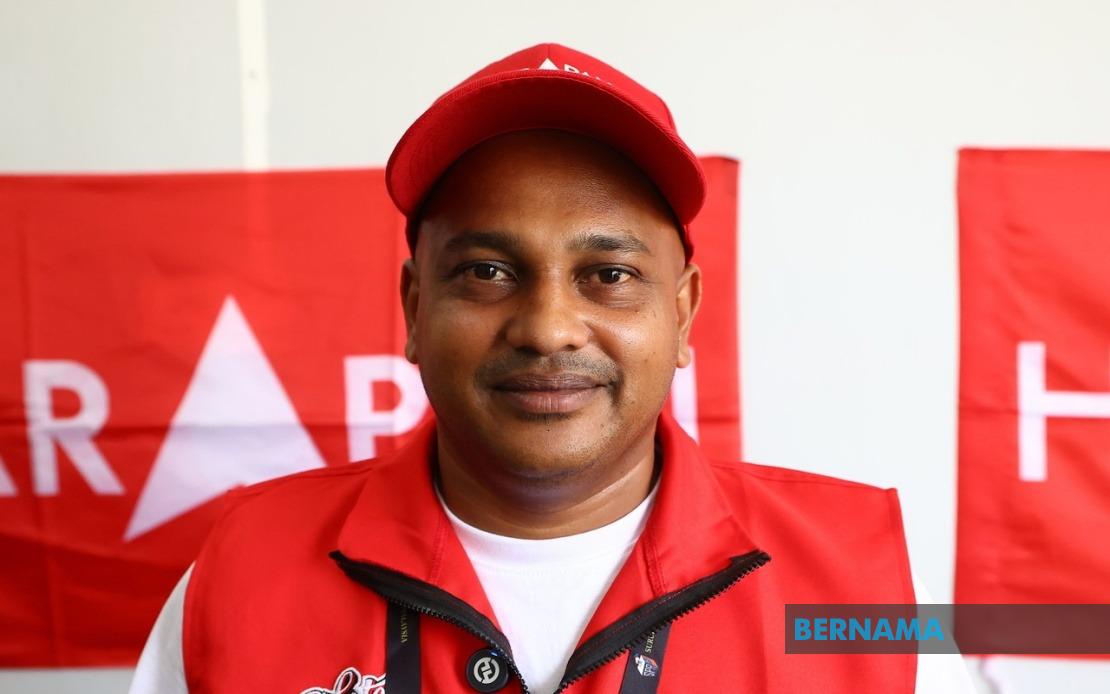
Pakatan Harapan candidate Guna Balakrishnan is making infrastructure repair and economic revitalisation central to his campaign for the Layang-Layang state seat in the upcoming Johor election, signalling an intention to address grievances that constituents have voiced for the past decade. Speaking during campaign engagements in Kluang, Balakrishnan outlined a development strategy centred on improving conditions for the area's farming communities, small business operators and traders—groups he views as essential to the constituency's social fabric and economic future.
Flash flooding and inadequate street lighting emerge as the dominant local concerns raised repeatedly during Balakrishnan's door-to-door interactions with voters. Both issues have plagued the area persistently, pointing to a pattern of neglect that requires immediate attention and sustained investment. The candidate frames these infrastructure deficits not merely as inconveniences but as genuine barriers preventing residents from achieving stable livelihoods and accessing essential services. His recognition of these specific problems suggests a listening campaign strategy rather than one driven by pre-determined political messaging.
The Layang-Layang constituency encompasses FELDA settlements, active plantation areas and numerous villages—a landscape defined by agricultural heritage and rural character. Despite this foundation, the region has failed to attract modern industrial development that could diversify employment opportunities. The absence of processing facilities, semiconductor manufacturing operations or comparable value-added industries means young residents face limited career prospects locally, forcing many to seek opportunities in urban centres or migration hotspots elsewhere in Malaysia. This brain drain represents both a demographic challenge and an indication of underinvestment in rural economic infrastructure.
Balakrishnan's proposed remedy involves deliberate efforts to stimulate local economic activity through industrialisation and skills development tailored to the constituency's demographic realities. By creating pathways for youth employment within the area, he argues that the region can retain talent and build sustainable income streams for families. This approach reflects a broader recognition that rural constituencies require targeted interventions beyond routine governance—they need strategic positioning within Malaysia's evolving economic landscape. The emphasis on youth retention resonates particularly in Southeast Asia's context, where rural-urban migration has reshaped settlement patterns and community cohesion across the region.
Balakrishnan faces a three-way contest against Barisan Nasional's Chua Jian Boon and the incumbent Perikatan Nasional representative Abd Mutalip Abd Rahim. This triangular competition suggests shifting political alignments within the Johor electorate and potentially reflects voter appetite for alternative visions of development and governance. The presence of a sitting PN member defending the seat indicates that incumbent advantage exists but is not guaranteed, particularly if challenger platforms resonate more strongly with constituent priorities.
The candidate's campaign methodology emphasises direct community engagement over partisan point-scoring or tactical attacks on opponents. Rather than investing energy in political polemics or analysing competitor strategies, Balakrishnan has committed to systematic constituency-wide visits designed to listen, document concerns and build grassroots support. This ground-level approach suggests confidence in the resonance of his message and a belief that authentic problem-solving appeals more strongly to voters than rhetorical flourishes or divisive messaging.
Digital outreach and social media amplification constitute secondary but growing components of the campaign strategy. Balakrishnan recognises that while face-to-face interactions establish credibility and demonstrate commitment, modern electoral contests require multimedia presence to penetrate wider audiences and convey policy aspirations. The explicit reference to Malaysia MADANI—the government's flagship development framework—indicates an attempt to connect local grievances to national policy narratives and position his candidacy as aligned with broader governance priorities.
By the third day of official campaigning, Balakrishnan reported receiving substantial grassroots encouragement, though he acknowledged the necessity of intensifying outreach efforts to ensure comprehensive voter contact before the July 11 polling date. This timeline underscores the compressed nature of Malaysian state election campaigns and the logistical challenges of achieving full constituency coverage within weeks rather than months. The moral support cited suggests that PH's organisational machinery and volunteer networks remain mobilised in the state despite previous electoral disappointments.
The Layang-Layang contest exemplifies how rural and semi-rural Malaysian constituencies increasingly demand specificity and targeted solutions rather than abstract ideological messaging. Voters here are articulating concrete infrastructure requirements and economic opportunities rather than engaging purely at the level of national political rivalry. This trend carries implications for how parties structure campaigns, allocate resources and develop policy platforms, particularly as demographic trends concentrate growing segments of Malaysia's population in regional towns and rural areas where agriculture and small-scale commerce remain economically significant.
For the broader Johor election context, the Layang-Layang race reflects competitive dynamics that extend across numerous state seats, with no party commanding overwhelming dominance and voters demonstrating openness to fresh candidates offering substantive development plans. Balakrishnan's emphasis on infrastructure repair and youth employment speaks to anxieties about uneven regional development and diminishing opportunity in constituencies lacking industrial diversification. Should his messaging gain traction, it could reshape how Johor constituencies evaluate and compare candidate platforms heading toward July 11.

