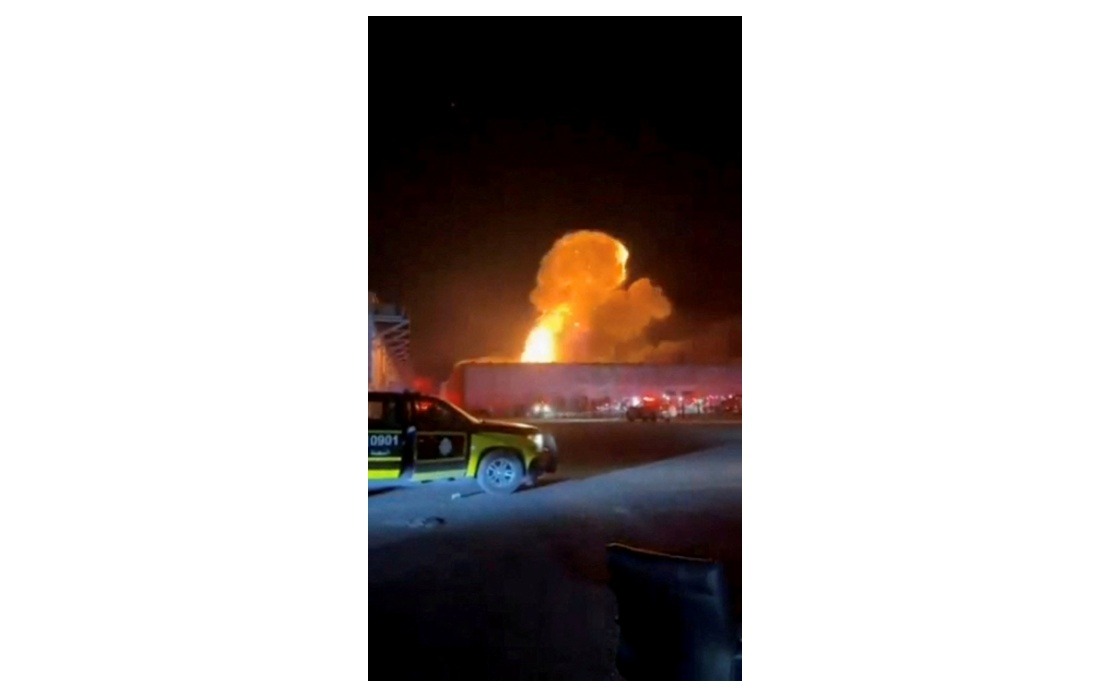
Three Persian Gulf states activated emergency protocols on Friday as the region experienced a dramatic escalation in military tensions, with warning sirens blaring across multiple capitals and civilians instructed to shelter in place. The simultaneous security alerts from Bahrain, Qatar, and Kuwait signal deepening alarm over the fallout from the broader Iran-United States standoff that has repeatedly destabilised one of the world's most strategically important shipping corridors. The flurry of emergency announcements underscores how quickly localised military incidents can transform into regional crises affecting millions of residents and global energy supplies.
Kuwait's interior authorities sounded the alarm across the country on Friday morning, ordering the public to seek immediate refuge in designated safe locations and comply with all official directives. The Kuwaiti military subsequently confirmed that the nation's air defense infrastructure was actively engaged in repelling incoming hostile fire, specifically missile and drone assaults, though military officials declined to elaborate on the nature of the attacks or their origin. This measured restraint in official commentary reflected the delicate diplomatic situation, as regional powers attempt to manage an escalating cycle of tit-for-tat military operations without triggering broader conflict.
In Bahrain, the Interior Ministry deployed a similar emergency response, initiating civil defence sirens throughout the island nation and directing residents toward the nearest available shelter zones. Simultaneously across the border in Qatar, authorities broadcast urgent guidance instructing the population to remain indoors and maintain positions within secure facilities, while simultaneously raising the assessed security threat level to high. These coordinated responses across three distinct Gulf monarchies suggested either a genuinely widespread security incident or widespread concern that the current geopolitical environment could produce one without warning.
The immediate trigger for Friday's alert appeared to stem from reported Iranian military action. Tehran's armed forces announced they had conducted drone strikes targeting a United States military facility located in Bahrain, part of an ongoing pattern of direct military confrontation between the two powers. This disclosure, combined with the Gulf states' own emergency procedures, painted a picture of active combat operations unfolding across the strategically vital waterway.
These developments represent merely the latest chapter in a deteriorating security situation that began dramatically in late February when the United States and Israel jointly executed an offensive military campaign against Iranian targets. Iran responded in kind, unleashing coordinated barrages of missiles and unmanned aircraft directed at Gulf installations hosting American military personnel and equipment. The cycle of accusation, retaliation, and counter-retaliation has created a persistent security environment where escalation can occur with minimal warning.
For Malaysia and other Southeast Asian nations, the instability carrying profound implications. The Strait of Hormuz, which witnesses the emergency alerts this week, represents a chokepoint through which approximately one-third of globally traded seaborne oil passes. Sustained military tensions in the region threaten Malaysia's energy security and could trigger commodity price shocks that ripple through the broader regional economy. Malaysian shipping companies operating in these waters face elevated insurance costs, longer transit times due to rerouting, and genuine risks to vessel and crew safety.
Diplomatic efforts have attempted to arrest the deteriorating situation. Iran and the United States recently negotiated a framework agreement mediated through Pakistani intermediaries, with both parties ostensibly committed to concluding hostilities and establishing a durable peace arrangement. Yet recent tensions demonstrate how fragile such frameworks prove when competing powers maintain fundamentally incompatible strategic objectives. The missile and drone attacks occurring just weeks after this agreement suggest either that crucial details remain unresolved or that hardline factions within each capital retain capacity to undermine diplomatic progress through military action.
The Strait of Hormuz has emerged as a particular flashpoint in recent days, with Iran and the United States trading accusations regarding maritime provocations and hostile manoeuvres. Control over shipping lanes and freedom of navigation constitute core strategic interests for both Washington and Tehran, making compromise in this domain exceptionally challenging. The waters separating Iran from the Arabian Peninsula represent far more than a geographical feature; they embody competing visions of regional hegemony and influence.
For Gulf residents, Friday's emergency alerts represented the latest in an extended series of security disruptions stretching back months. Civilian populations have grown accustomed to intermittent sirens, shelter-in-place orders, and periodic damage assessments following military exchanges. This normalisation of emergency procedures carries psychological and economic costs beyond the immediate physical dangers, as businesses struggle to maintain operations amid ongoing uncertainty and resident anxiety compounds with each fresh incident.
The broader geopolitical context suggests that current tensions may persist rather than resolve in the near term. Fundamental disagreements between Iran and the United States regarding nuclear capabilities, sanctions regimes, and regional influence remain unaddressed by the recent Pakistani-mediated framework. Without addressing these underlying sources of conflict, temporary ceasefires or diplomatic agreements risk unravelling when either party perceives advantage in military escalation. The civilian populations across the Gulf region, from Kuwait to Qatar to Bahrain, appear destined to endure recurring security alerts and disruptions as long as these core disputes remain unresolved.

