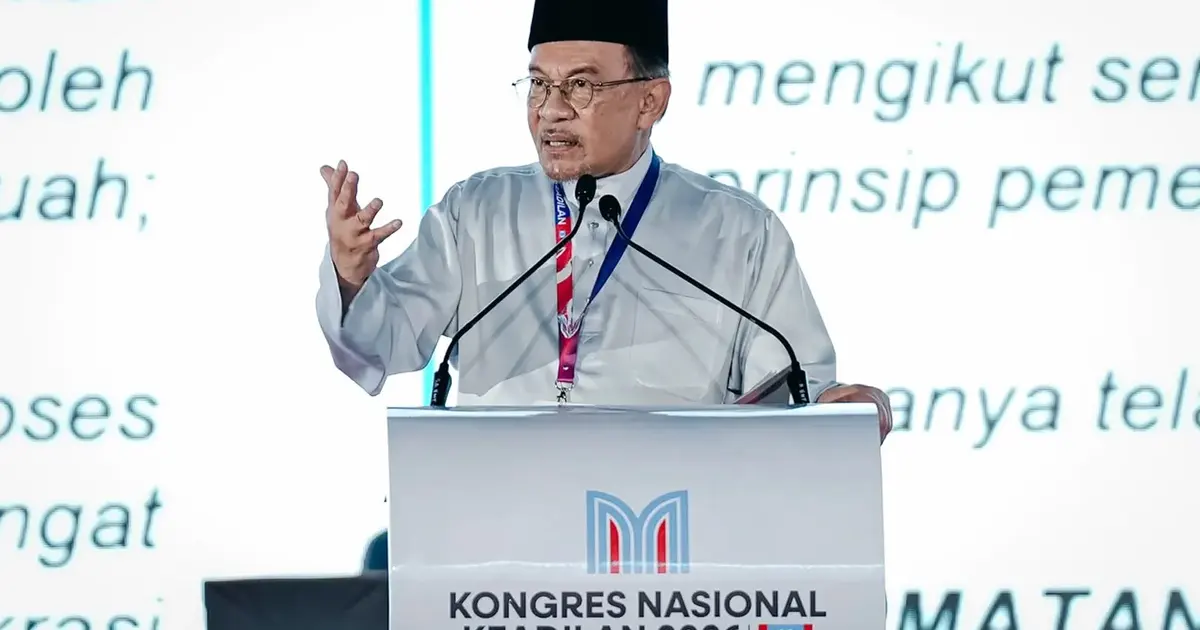
Prime Minister Anwar Ibrahim has announced that the government intends to initiate a comprehensive examination of Felda, the Federal Land Development Authority, as part of a broader effort to address governance issues across Malaysia's statutory bodies. The declaration follows mounting pressure to ensure that investigative efforts do not terminate solely with Tabung Haji, the pilgrims' management fund that has faced significant scrutiny in recent months. According to Anwar, the Yang di-Pertuan Agong has explicitly endorsed this expanded approach, underscoring royal support for enhanced oversight of state-controlled institutions.
The decision reflects growing concern within the government about potential systemic vulnerabilities across Malaysia's network of statutory authorities and government-linked companies. Tabung Haji, which manages deposits and pilgrimage services for Malaysian Muslims, has been the focus of multiple investigations and reform initiatives, with authorities examining financial management practices and governance structures. By signalling intent to conduct similar reviews of other major entities, the administration appears committed to restoring public confidence in how these institutions operate and deploy resources.
Felda, established to facilitate rural development and agricultural advancement, manages vast tracts of plantation land and oversees the welfare of settler families across Malaysia. The organisation has historically played a significant role in the nation's economic development and rural prosperity, but like many long-established institutions, it has faced periodic questions about operational efficiency, financial accountability, and the effectiveness of programmes delivering promised benefits to beneficiaries. An investigation into Felda's current operations could potentially address longstanding concerns about resource allocation and project implementation.
The government's intention to extend oversight beyond Tabung Haji carries substantial implications for corporate governance standards across Malaysia's public sector. By establishing a precedent that high-profile statutory bodies warrant detailed examination, the administration is signalling a shift toward greater transparency and accountability mechanisms. This approach aligns with international standards for public institution management and responds to constituent expectations for proper stewardship of resources that ultimately belong to Malaysian citizens.
The involvement of the Yang di-Pertuan Agong in endorsing this broader investigative agenda adds constitutional weight to the initiative. Royal backing indicates that governance reform is not merely an executive priority but enjoys institutional support at the highest constitutional level. This positioning strengthens the administration's capacity to implement recommendations emerging from investigations and pursue necessary reforms without allegations of political selectivity.
For Felda settlers and beneficiaries, renewed scrutiny may yield opportunities to address grievances and improve service delivery. Many smallholder farmers affiliated with Felda schemes have raised concerns about agricultural support, infrastructure maintenance, and the financial viability of their operations. A comprehensive review could identify systemic issues impeding productivity and recommend corrective measures to enhance settler prosperity. Such outcomes would depend substantially on whether investigations translate into concrete, implementable solutions.
The announcement also reflects broader governance trends across Southeast Asia, where governments increasingly face pressure to demonstrate accountability in state institution management. Malaysia's approach places it among regional peers undertaking systematic reviews of public sector effectiveness. The transparency imperative extends beyond compliance concerns to encompassing public expectations that government agencies deliver tangible value and operate according to professional management standards.
Implementing investigations across multiple statutory bodies presents considerable logistical and financial challenges. Conducting thorough examinations requires specialist expertise, adequate resourcing, and sufficient time to examine complex operational frameworks. The government must balance the imperative for detailed investigation against administrative capacity and the need to maintain operational continuity in essential services these institutions provide.
Market observers and investors will likely monitor how investigations unfold, as outcomes could influence perceptions of governance quality across Malaysian institutions. International rating agencies and foreign investors consider governance frameworks when assessing country risk and investment climate. Demonstrating commitment to systematic accountability could strengthen Malaysia's international standing, though prolonged investigations without clear outcomes might create perception of institutional dysfunction.
The political implications of expanded oversight deserve consideration. By initiating investigations across multiple statutory bodies, the administration invests political capital in governance reform but also risks encountering resistance from affected interests. Implementation success will depend on maintaining bipartisan support and insulating investigative processes from partisan considerations that could undermine credibility and implementation capacity.
Longer term, institutionalizing regular governance reviews across statutory bodies could strengthen Malaysia's public sector performance. Rather than episodic investigations triggered by crises, systematic periodic assessments might become standard practice, fostering continuous improvement in operational standards and financial management. This professionalisation of oversight would represent significant institutional development within the Malaysian public administration framework.

