The Malaysian government has reversed a fuel subsidy reduction announced earlier this year, reinstating the BUDI MADANI RON95 programme's monthly quota to 300 litres per month, effective from September 1, 2026. The decision comes as welcome news for the nation's media industry, which has struggled with rising operational expenses in recent months. Prime Minister Datuk Seri Anwar Ibrahim announced the policy adjustment during his National Day 2026 address at the Putrajaya International Convention Centre, signalling the government's recognition of the challenges facing media practitioners nationwide.
The reversal marks a significant policy turnaround after the government had reduced the BUDI95 quota from 300 litres to 200 litres per month beginning April 1, 2026. That earlier cut was implemented following escalating tensions in West Asia, which had pushed fuel prices upward globally. However, the subsidy price for RON95 petrol remained fixed at RM1.99 per litre throughout both periods, meaning the quota reduction created a genuine financial squeeze for eligible consumers. The government's latest decision suggests that concerns raised by affected sectors, particularly the media industry, have influenced reconsideration of the earlier austerity measure.
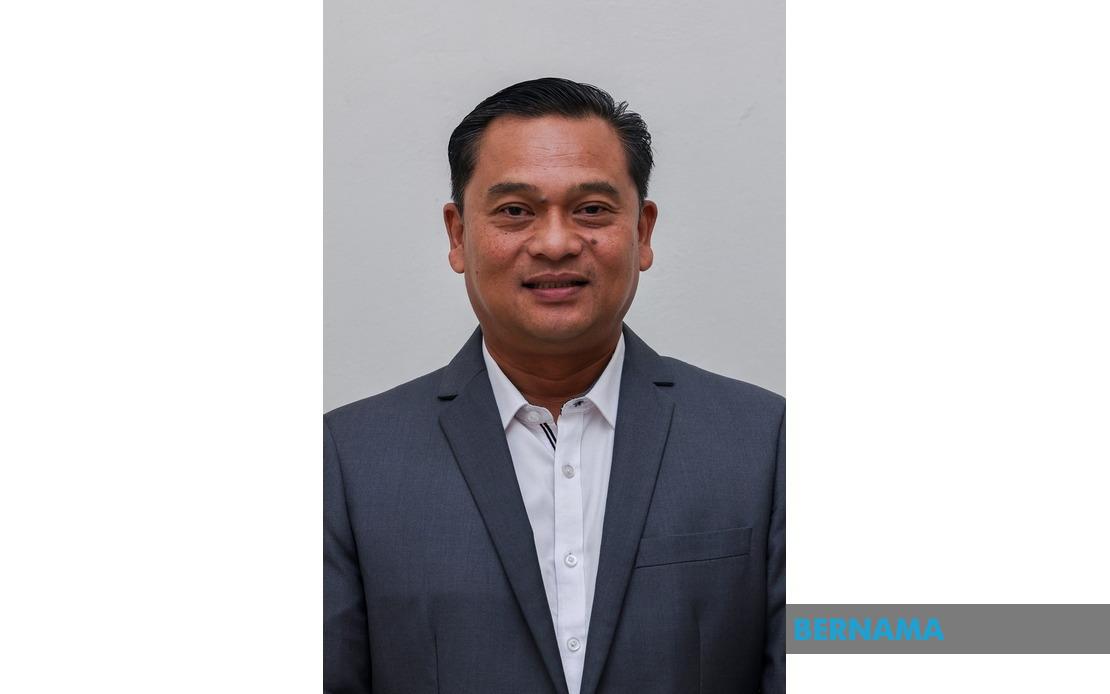
Mohd Fauzi Ishak, president of the Association of Malaysian Media Clubs (GKMM), expressed the industry's relief at the restoration of the higher quota. He emphasised that the change particularly benefits media practitioners working outside the capital, who have borne the brunt of fuel cost increases while maintaining their professional responsibilities. State-based journalists and reporters face significantly higher transportation expenses compared to their Kuala Lumpur counterparts, as they must cover wider geographical areas and travel greater distances to cover stories, conduct interviews, and attend newsworthy events across their respective regions.
The logistics and travel costs associated with journalism have emerged as a critical financial burden for practitioners, especially in an era when news cycles demand rapid response and comprehensive coverage. Media workers are expected to maintain presence at breaking news scenes, attend official functions, visit communities for investigative reporting, and travel to various locations to gather information. These operational necessities directly translate into substantial monthly fuel expenses that, when added to other professional costs, can significantly impact take-home pay. For many journalists and photographers, fuel costs represent one of the largest controllable expenses in their monthly budget, second only to vehicle maintenance and insurance.
The BUDI95 subsidy programme initially aimed to provide relief to 16 million Malaysian consumers across various sectors and income groups. The quota system ensures that eligible beneficiaries can purchase a predetermined quantity of fuel at the subsidised rate before transitioning to market prices for additional purchases. By reducing the quota temporarily, the government sought to manage fiscal pressures while maintaining the subsidy safety net. However, the impact on essential service providers like media practitioners highlighted the programme's importance not merely as consumer relief but as an enabler of professional capacity. News organisations across Malaysia rely on their journalists' ability to maintain regular work schedules without incurring prohibitive travel costs that would ultimately reduce editorial output quality and scope.
GKMM has called attention to the interconnection between fuel subsidies and professional sustainability within the media sector. The association's requests to government have consistently emphasised that media practitioners require adequate support mechanisms to continue fulfilling their role in public information dissemination. Beyond the BUDI95 restoration, GKMM has urged media companies and news agencies throughout Malaysia to reassess their incentive structures and allowance schemes for staff members. The organisation argues that rising operational costs necessitate corresponding adjustments to employee benefits packages to ensure that journalists and reporters can sustain their work without experiencing real income erosion.
This advocacy reflects broader concerns about the economic sustainability of journalism as a profession in Malaysia. News organisations, particularly regional and local publications, operate with constrained profit margins and limited advertising revenue. When operational expenses rise, these organisations face difficult choices between improving staff compensation and maintaining editorial independence and quality. By advocating for both government support through fuel subsidies and corporate support through enhanced allowances, GKMM positions the media industry as deserving of special consideration due to its role in democratic society. This framing has resonated sufficiently to influence government policy, demonstrating the sector's political voice.
The restoration of the 300-litre quota also carries implications for the broader structure of Malaysia's fuel subsidy architecture. The BUDI95 programme represents a targeted approach to subsidisation, restricting benefits to those with legitimate eligibility criteria rather than implementing a blanket subsidy that would prove fiscally unsustainable. By maintaining this quota system while adjusting the actual limit, the government signals its intention to balance fiscal responsibility with sectoral support. The decision to raise the quota after mere months of implementation suggests flexibility in response to documented hardship, though it also raises questions about the sustainability of such frequent adjustments and their impact on government budgeting and planning.
For Malaysian media practitioners, particularly those working in smaller towns and rural areas, the restoration represents tangible economic relief during an inflationary period. Journalists and photographers earning modest salaries can anticipate reduced personal transport expenses and potentially improved ability to maintain work-related travel schedules. The stability of fuel costs at subsidised rates also provides some predictability in professional budgeting, allowing media workers to allocate resources more effectively across their various expenses. This certainty may also benefit news organisations by supporting their reporters' productivity and morale, indirectly contributing to editorial quality and comprehensiveness.
The episode demonstrates the intersection of macroeconomic policy and professional sectors' operational requirements. International events affecting commodity prices, such as West Asian tensions, can cascade into domestic policy adjustments that impact specific occupations. Media practitioners, despite their essential role in society, often lack the organised bargaining power of industrial sectors or large professional groups, making their advocacy success noteworthy. The BUDI95 restoration suggests that persistent, well-articulated representations about sectoral challenges can influence government reconsideration of austerity measures, particularly when those sectors can credibly argue that policy impacts their capacity to serve broader public interests.
Looking forward, the sustainability of the 300-litre quota will depend on both international fuel price movements and the government's fiscal capacity to maintain the subsidy at RM1.99 per litre. Media practitioners and their representatives will likely maintain vigilance regarding any future adjustments, and the association's call for complementary corporate support through enhanced allowances suggests a diversified approach to addressing economic pressures. The GKMM's advocacy also positions the media industry as a stakeholder deserving consideration in economic policy discussions, a recognition that could influence future government decisions affecting press operations and journalist welfare.

