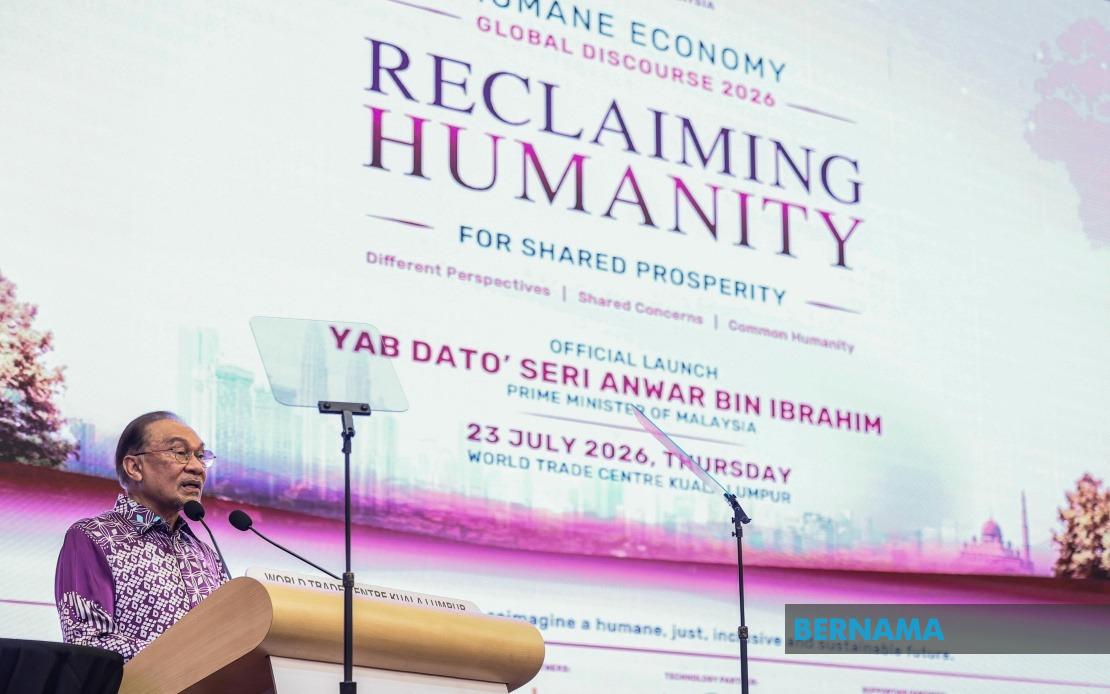
Prime Minister Datuk Seri Anwar Ibrahim has signalled that the government stands ready to unveil the final Royal Commission of Inquiry report into Tabung Haji within days, pledging transparency as the pilgrimage fund continues its turnaround efforts. Speaking to the media after launching the Humane Economy Global Discourse 2026 in Kuala Lumpur on July 23, Anwar underscored his commitment to swiftly making the findings public, though he noted procedural considerations would determine the exact timing.
The release of the RCI report represents a watershed moment for Tabung Haji, which has faced considerable scrutiny over its financial management and governance practices. The inquiry was established to examine the circumstances that led to the fund's operational difficulties, and its findings are expected to provide crucial insights into what went wrong and recommendations for systemic reform. For Malaysian pilgrims and the broader Muslim community who depend on Tabung Haji as their primary vehicle for saving towards the Hajj pilgrimage, the report's release carries significant weight, as it will shape how the organisation is restructured and managed going forward.
Anwar indicated that the timing of the report's publication hinges on whether it requires Cabinet approval before being made available to the public. Should the Cabinet route prove unnecessary, he suggested the document could be released immediately. However, if formal Cabinet endorsement is deemed essential under established protocols, the release would occur by Wednesday of the following week. This flexibility in approach demonstrates Anwar's eagerness to balance procedural correctness with his administration's broader transparency agenda, which has been a hallmark of his governance philosophy since assuming office.
The Prime Minister's remarks reflect a deliberate effort to balance two competing priorities: the government's responsibility to ensure proper institutional procedures are followed, and its commitment to democratic accountability by keeping the public informed. Anwar specifically framed the release decision within the context of what citizens deserve to know about the workings of a major public institution. His language suggested an understanding that delayed access to inquiry findings can itself become a source of public concern and speculation, potentially undermining confidence in both Tabung Haji and the government's commitment to transparency.
For Malaysia's pilgrimage sector, the timing of this disclosure is particularly consequential. Tabung Haji serves millions of Muslims across the country who contribute regularly to their hajj savings accounts, making it not merely a financial institution but a deeply personal repository of hopes and religious aspirations. The fund's difficulties have already caused anxiety among account holders, and many have been waiting for official clarity on how their contributions will be protected and what systemic changes will prevent similar crises. The RCI report is expected to address these concerns directly through its recommendations for restructuring governance, enhancing oversight mechanisms, and fortifying financial controls.
The inquiry itself emerged from mounting pressure on the government to investigate the circumstances surrounding Tabung Haji's operational troubles, which had threatened the savings of ordinary Malaysians. The scope of the investigation encompassed management decisions, investment strategies, and governance lapses that contributed to the fund's predicament. By committing to release the final report imminently, Anwar is demonstrating responsiveness to public concern about accountability in state-linked institutions, a sensitivity that extends beyond Tabung Haji to the broader ecosystem of government-linked companies and statutory bodies.
Context matters significantly here for understanding why Anwar's promise carries political weight. Previous Malaysian governments have sometimes shelved or delayed the release of controversial inquiry reports, citing reasons ranging from legal considerations to concerns about reputational damage. By pledging swift disclosure and emphasising the public's entitlement to knowledge, Anwar is positioning his administration as genuinely committed to institutional accountability, even when findings might prove uncomfortable. This stance particularly resonates with younger voters and civil society advocates who have long championed greater transparency in how Malaysian public institutions operate.
The recovery progress that Tabung Haji has achieved in recent months also informs Anwar's confidence in releasing the report now. The fund has undertaken significant rehabilitation efforts, including operational restructuring, enhanced compliance measures, and leadership changes. These improvements suggest that the organisation has moved beyond crisis management into stabilisation and recovery, making the release of an inquiry report less likely to trigger further institutional shock or require immediate crisis intervention. This sequential approach—stabilise first, then transparently explain what happened—reflects mature institutional management.
For Southeast Asian observers watching Malaysian governance practices, the handling of the Tabung Haji situation offers instructive lessons about how emerging democracies navigate institutional accountability. The region has seen numerous cases where public inquiries into institutional failures have been conducted but their findings either suppressed or heavily redacted. Malaysia's approach of pledging timely, substantive disclosure aligns with broader regional trends toward greater governmental transparency, even as implementation quality varies across the bloc. The report's contents will likely interest policymakers in neighbouring countries grappling with similar governance challenges in their own pilgrimage funds and hajj management systems.
Looking forward, the RCI report's recommendations will almost certainly shape Tabung Haji's regulatory framework for years ahead. These recommendations may encompass enhanced independent oversight, stricter investment guidelines, improved member communication protocols, and reinforced audit mechanisms. Market observers and governance advocates will scrutinise not merely what the report says went wrong, but equally how comprehensively it addresses root causes and how credibly the government commits to implementing the proposed reforms. This follow-through on recommendations, more than the report's release itself, will ultimately determine whether public trust in Tabung Haji can be fully restored.

