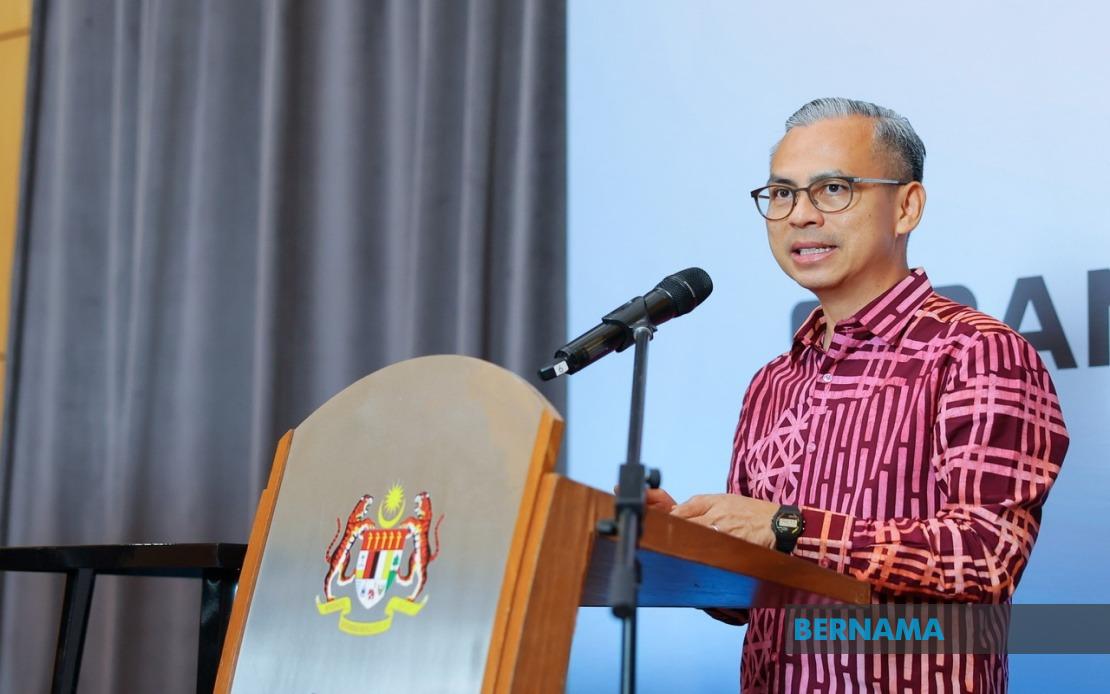
The Malaysian government has moved decisively to address the escalating threat of online fraud by establishing a dedicated cross-agency task force, Communications Minister Datuk Fahmi Fadzil announced this week. The initiative, formally launched on June 18, emerged from Cabinet discussions acknowledging the rapid growth in cybercrime incidents affecting ordinary citizens and businesses across the nation. This represents a significant institutional response to what has become one of the most pressing security challenges in Malaysia's digital economy, where reported scam losses have grown substantially over recent years.
The composition of the working committee marks a departure from traditional law enforcement approaches by bringing together an unprecedented coalition of stakeholders. Beyond conventional agencies handling criminal investigation and prosecution, the committee will include representatives from the banking sector, telecommunications companies, and major digital platforms including social media networks. This multipartisan approach recognizes that online fraud operates across multiple interconnected systems, and no single agency or sector can effectively address the problem in isolation. The involvement of private technology companies is particularly significant, as these platforms possess real-time data and technical capabilities that can identify suspicious patterns and block fraudulent activity before harm occurs.
Fahmi emphasized that the committee aims to strengthen three critical pillars: enforcement capacity, legislative frameworks, and investigative methodology. Enhanced enforcement means coordinated operations that can respond more rapidly to emerging scam trends, while legislative improvements address gaps in existing laws that criminals exploit. Better investigative techniques will enable authorities to trace money flows across borders and identify the networks behind large-scale operations. Together, these elements should create a more cohesive and formidable response than agencies have previously been able to mount individually.
The government has deliberately chosen not to publicize all tactical details of the committee's strategy, a decision Fahmi justified by noting that transparency could inadvertently assist the very criminals the effort aims to stop. This cautious approach balances the public's right to know with operational security concerns. Criminals actively monitor government announcements and media reports to anticipate enforcement actions, adjust their methods, and stay ahead of detection. The compartmentalization of sensitive information reflects sophisticated understanding of how online fraud networks operate and adapt to countermeasures.
This cross-agency model builds on prior success the Malaysian government achieved in addressing child sexual exploitation crimes through special operations. That experience demonstrated that when multiple agencies align around a shared objective and coordinate their distinct capabilities, results can be achieved more quickly and comprehensively than through fragmented efforts. Fahmi indicated that lessons from that campaign are being applied to the scam committee, suggesting a more strategic and evidence-based approach than simple expansion of existing resources.
For Malaysian consumers and businesses, the implications are substantial. Online scams encompass everything from investment fraud and romance schemes to credential theft and ransomware attacks on small enterprises. Victims often experience not just financial loss but psychological trauma and damaged confidence in digital financial services. The committee's work could meaningfully reduce exposure to these threats by improving detection and prevention systems, shutting down criminal infrastructure faster, and ensuring that when fraud does occur, perpetrators face swift consequences.
The involvement of telecommunications operators and social media platforms is particularly relevant to Malaysia's context, where messaging applications and social networks serve as primary communication channels for both legitimate commerce and fraudulent schemes. These companies maintain payment systems, user data, and communication logs that prove invaluable in investigation and prosecution. By formalizing their participation in the committee, the government creates mechanisms for routine information sharing and coordinated response that previously did not exist at this scale.
Banking sector participation addresses another critical vulnerability: the point at which stolen money enters formal financial systems. Improved protocols for identifying suspicious transactions and freezing accounts associated with fraud can recover stolen funds and create liability concerns that deter participation in scam networks. Banks also bring sophisticated fraud detection systems originally developed for their own protection, resources that can be adapted for broader public benefit when shared with law enforcement.
Regionally, Malaysia's approach resonates with challenges facing other Southeast Asian economies where rapid digital adoption has outpaced institutional safeguards. Singapore, Thailand, and the Philippines all face similar pressures from organized fraud networks operating across borders. Malaysia's committee model could become a template for regional cooperation, particularly if its success creates pressure for neighboring governments to establish comparable mechanisms and enable cross-border information sharing.
The formal structure and timeline for the committee's first meeting have not been publicly detailed, but Fahmi's remarks suggest momentum and urgency. Expectations for near-term achievements include identification of systemic vulnerabilities in digital platform security, legislative amendments to close legal gaps, and launch of coordinated operations against priority targets. The committee's success will ultimately be measured not by administrative activity but by measurable reduction in fraud victimization and increased prosecution rates.
This initiative represents recognition that Malaysia's digital transformation, while economically necessary, requires parallel investment in protection mechanisms. As more commerce, government services, and social interaction move online, the stakes of cybercrime rise accordingly. The government's decision to invest institutional bandwidth and coordinate across traditionally siloed agencies signals commitment to making digital Malaysia genuinely secure rather than merely digitally connected.

