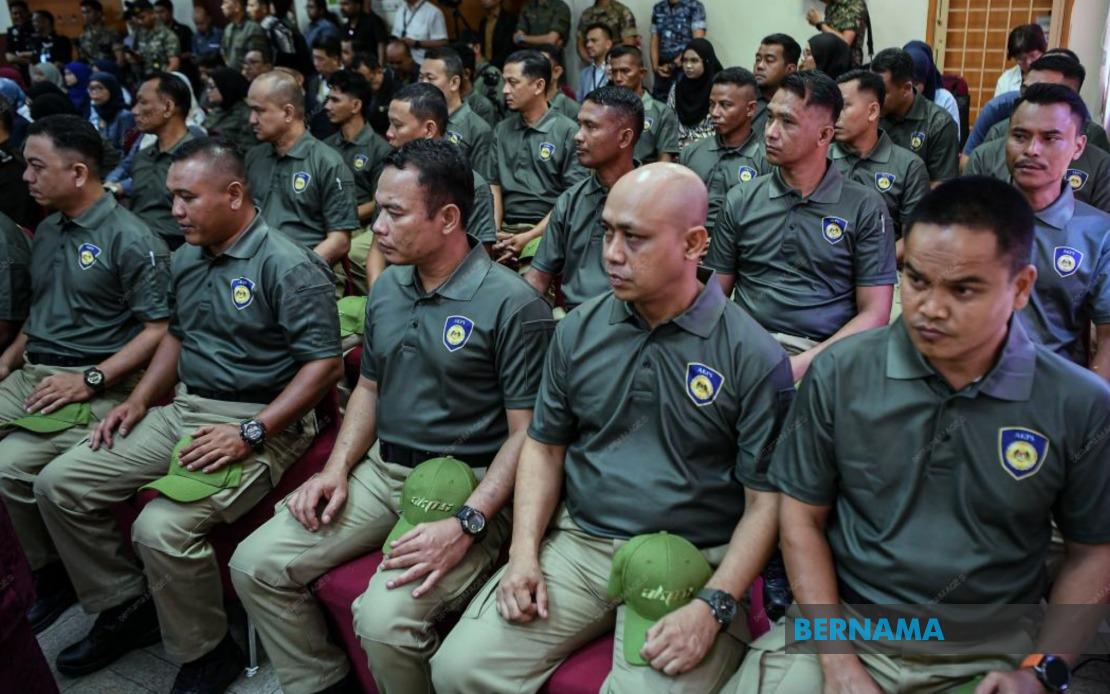
The government has moved to reassure thousands of Border Control and Protection Agency (AKPS) personnel that their careers, benefits, and job security will remain intact as the agency undergoes a significant organisational restructuring. Deputy Home Minister Datuk Seri Dr Shamsul Anuar Nasarah delivered the assurances during parliamentary proceedings on June 25, addressing concerns raised about the stability of Malaysia's border control operations and the protection of civil servants affected by the administrative changes.
Under the new arrangement, the AKPS will formally transition to governance by the Public Service Department (PSD) beginning July 1. The restructuring follows the agency's establishment through the consolidation of multiple enforcement entities, creating a unified command structure for border security operations. To prevent career disruption, the Deputy Home Minister confirmed that officers retaining their existing service classification will experience no adverse consequences regarding advancement opportunities, length of service recognition, or superannuation entitlements.
The AKPS holds responsibility for managing population and commodity flows across Malaysia's 122 official border crossing points, a critical function requiring operational continuity and personnel stability. Prior to the new service scheme implementation, the agency filled available positions by temporarily assigning officers from the various contributing agencies. This secondment approach, while practical, created ambiguity about the long-term status and career pathways of these temporarily reassigned personnel.
Officers declining the formal transfer option will continue working within AKPS provisionally while the PSD determines permanent placement solutions. Alternatively, their original departments may reintegrate them, with specific assignments made by each agency's leadership according to existing capacity and operational priorities. This arrangement provides flexibility for both the institution and individual officers, though it introduces an element of uncertainty for those awaiting definitive placement decisions.
Data released by the Deputy Home Minister revealed that AKPS had successfully staffed 6,824 of its allocated 8,403 positions as of mid-June, leaving 1,579 vacancies requiring attention. These gaps represent approximately 18.8 percent of the workforce establishment, a significant shortfall in a security-sensitive agency. The government outlined a cooperative filling strategy involving AKPS management, the Home Ministry, the Public Service Department, and contributing agencies to progressively recruit qualified personnel into these remaining positions.
To enhance the attractiveness of AKPS postings and maintain service quality at border checkpoints, the government introduced financial incentives for appointees. Officers accepting positions with the agency receive an additional annual salary increment (KGT) together with a RM200 service incentive. These supplementary benefits acknowledge the demanding nature of border control work and the importance of retaining experienced personnel in roles that directly affect national security and trade facilitation.
The transition carries particular significance for Malaysia's regional standing and trade relationships. Efficient, professional border operations facilitate legitimate commerce while maintaining security protocols essential for regional confidence. Personnel retention and morale directly influence service quality at entry points; therefore, government assurances about career protection and benefits serve both institutional stability and practical operational needs. The approach taken by the PSD reflects an understanding that administrative restructuring must accommodate legitimate concerns from affected civil servants.
The 8,403-position establishment indicates substantial government investment in border security capacity. With nearly seven-eighths of positions filled and coordinated recruitment addressing the remainder, the agency appears to be progressing toward its intended staffing levels. However, the 1,579-vacancy gap underscores ongoing recruitment challenges, potentially reflecting competition from other government agencies for qualified personnel or specific technical skill requirements in the security sector.
For Malaysian civil servants contemplating government service in border security roles, the Deputy Home Minister's assurances provide clarity regarding institutional protection. The guarantee that service classification choices will not disadvantage officers in promotion, seniority recognition, or retirement benefits removes a significant source of career anxiety. This clarity becomes increasingly important as the PSD consolidates oversight of diverse enforcement personnel under unified service frameworks.
The parliamentary exchange also highlighted the government's commitment to transparent governance during institutional transitions. By publicly addressing workforce concerns, the Deputy Home Minister signalled that reform would not sacrifice personnel protections or operational integrity. This approach strengthens public confidence in the civil service's capacity to manage organisational change while safeguarding established rights and expectations.
Looking forward, the success of the AKPS transition will depend partly on how effectively the PSD integrates personnel from different agency backgrounds into unified operational procedures and career management systems. The hybrid approach permitting officers to maintain original service classifications while working within AKPS accommodates institutional reality—not all personnel may immediately transition to the new structure—while preserving individual career security. Continued collaborative engagement between the home affairs ministry, the PSD, and contributing agencies will be essential to fill vacancies and establish clear permanent career pathways for all AKPS personnel.

