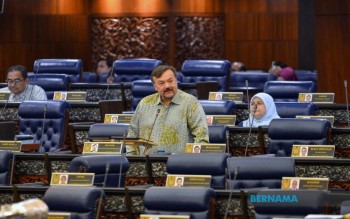
The Malaysian government has dispensed over RM500 million in micro-financing facilities to small business operators, marking a significant injection of capital into the entrepreneurial ecosystem at a time when rising operational costs threaten many ventures. Finance Minister II Datuk Seri Amir Hamzah Azizan disclosed the figure during parliamentary proceedings on July 2, confirming that the disbursement between May 15 and June 26 benefited more than 30,000 entrepreneurs across the country. The announcement underscores the administration's commitment to sustaining the livelihoods of micro-enterprise owners facing mounting pressures from global economic headwinds and domestic inflation.
This funding represents a crucial segment of the government's broader RM5 billion Micro Financing Facility Programme, a comprehensive initiative designed to keep small enterprises operational during uncertain times. By directing capital through established financial channels and development institutions, the programme reaches entrepreneurs who might otherwise struggle to access conventional banking services. The distribution network encompasses multiple organisations, including Amanah Ikhtiar Malaysia (AIM), Agrobank, Bank Simpanan Nasional (BSN), Bank Rakyat, MARA and TEKUN Nasional, ensuring that financing reaches even the most remote entrepreneurial communities across Malaysia's regions.
Parallel to the micro-financing push, the government has introduced the RM5 billion MADANI Government Assistance Guarantee Scheme, operated through Syarikat Jaminan Pembiayaan Perniagaan Bhd (SJPP). This initiative addresses a critical barrier that small and medium enterprises frequently encounter: the difficulty of securing bank financing without substantial collateral or established credit histories. By providing government guarantees on loans, the scheme reduces the risk profile for financial institutions and opens access for businesses that previously found conventional lending doors firmly closed.
The guarantee scheme has already demonstrated tangible results. Between mid-May and late June 2026, SJPP approved RM219 million in financing guarantees benefiting more than 300 enterprises, with particular concentration in agriculture, construction, logistics and tourism sectors. These industries hold particular strategic importance for Malaysia's economy and employment generation, making targeted support essential. The agricultural sector remains vulnerable to commodity price fluctuations and climate variability, while construction, logistics and tourism have faced persistent post-pandemic recovery challenges that continue to weigh on profitability.
Beyond direct financing and guarantees, the government is actively facilitating debt restructuring and repayment assistance through SJPP's coordination with commercial banks. This measure recognises a critical reality facing many small operators: they may not require fresh capital but rather breathing room to manage existing obligations while business conditions normalise. Rescheduling arrangements and targeted support mechanisms provide the financial flexibility that allows viable businesses to survive temporary downturns without succumbing to technical default or asset liquidation.
Additional support flows through Bank Negara Malaysia's RM5 billion SME Stabilisation Relief Facility (SME SRF), launched in mid-May 2026. This scheme has approved nearly RM1 billion in financing for more than 1,500 enterprises during its initial phase of operation. The rapid uptake suggests substantial demand among businesses seeking relief from immediate financial pressures, indicating that these government interventions address genuine market needs rather than fabricated problems. The scale of approved applications also demonstrates that many Malaysian enterprises remain fundamentally viable but require temporary financial assistance to navigate current challenges.
The financing landscape remains robust for future applicants. Amir Hamzah indicated that approximately RM4 billion from the original RM5 billion SME Stabilisation Relief Facility allocation remains available, suggesting that access to support will not become constrained during the coming months. This substantial buffer provides reassurance to entrepreneurs still assessing their options and considering applications. The availability of remaining funds also permits the government flexibility to respond if economic conditions deteriorate further or if particular sectors face unexpected shocks requiring accelerated intervention.
These coordinated financing initiatives represent a deliberate policy approach to small business support, deploying multiple mechanisms simultaneously rather than relying on a single channel. The diversity of implementing institutions and programme structures reflects recognition that entrepreneurs operate within varied contexts requiring tailored solutions. Micro-enterprises operating from home or street stalls face different challenges than construction firms managing multiple projects, yet both require access to affordable capital to sustain operations during difficult periods.
For Malaysian business operators, the significance extends beyond immediate funding availability. The government's aggressive deployment of support mechanisms signals political commitment to preventing widespread small business failures that could trigger broader economic disruption and employment losses. When entrepreneurs struggle to meet payrolls or maintain inventory, consequences ripple through supply chains and local communities. By intervening proactively, policymakers aim to prevent cascading failures and preserve productive capacity that will be essential during economic recovery phases.
The timing of these measures also reflects strategic thinking about economic cycles. When global conditions deteriorate and domestic demand softens, maintaining small business viability through temporary support prevents permanent loss of human capital, business relationships and market knowledge. The cost of reviving closed businesses and retraining displaced workers considerably exceeds the cost of temporary financing assistance, making these investments rational economic policy rather than mere handouts.
The parliamentary disclosure came in response to questioning about concrete measures protecting small traders and hawkers during economic challenges, highlighting how government support has become a central political concern. The detailed breakdown of approvals and available funding demonstrates that policymakers are tracking programme effectiveness and can provide accounting to elected representatives and the public. Transparency about financing distribution, guarantee approvals and remaining capacity builds confidence among potential beneficiaries that funds genuinely exist and applications will receive serious consideration.
Moving forward, Malaysian entrepreneurs in the micro and small enterprise sectors can access multiple pathways to financial support, whether through direct lending, loan guarantees, debt restructuring or relief facilities. The combination of instruments provides flexibility for different business circumstances and needs, reducing the likelihood that viable enterprises will fail due to liquidity constraints rather than fundamental business viability. For Malaysia's broader economy, these initiatives represent an investment in resilience and inclusive growth, recognising that sustainable development requires supporting entrepreneurs at all scales.

