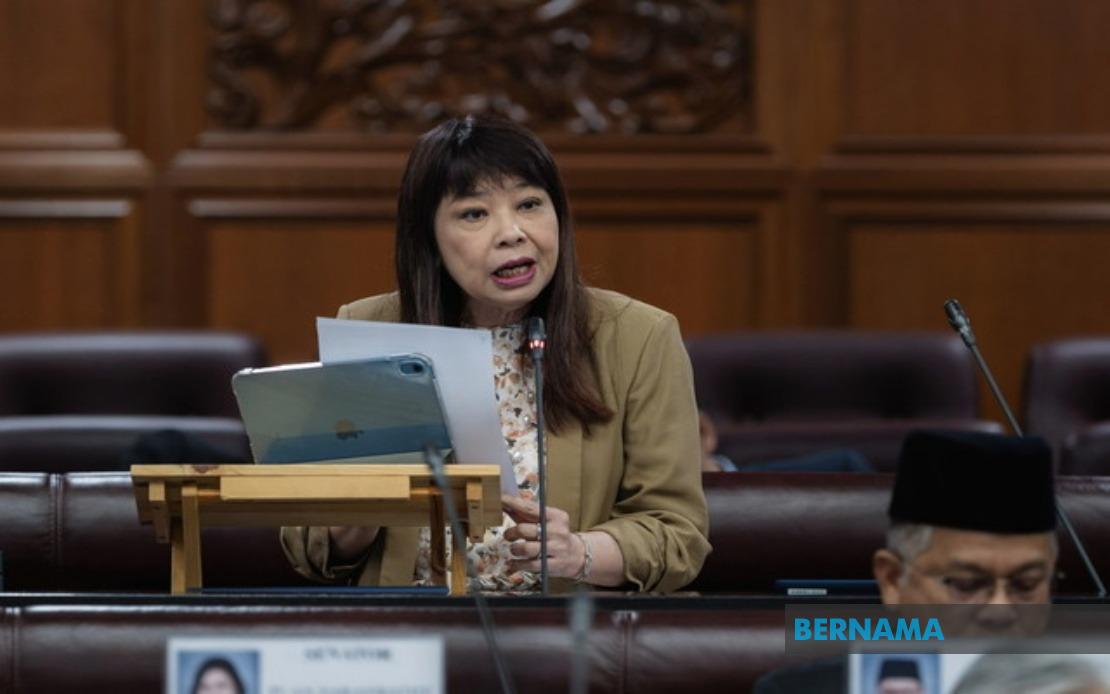
Malaysia is moving toward establishing a formal system to track perpetrators of domestic violence, with Deputy Women, Family and Community Development Minister Lim Hui Ying confirming that authorities are actively developing mechanisms to record and monitor offenders who repeatedly abuse partners. The initiative represents a significant shift in the country's approach to family violence, recognising that many victims face multiple incidents from the same abuser and that coordinated tracking could improve protective outcomes.
The proposal is being developed through a collaborative framework involving three major institutions: the Women, Family and Community Development Ministry (KPWKM), the Royal Malaysia Police (PDRM), and Malaysia's judicial system. This inter-agency structure aims to overcome existing gaps in how domestic violence data is collected and shared between institutions. Lim acknowledged during parliamentary questioning that the country currently lacks comprehensive, coordinated records on repeat offenders, a deficiency that hampers both prevention and prosecution efforts.
The absence of accurate data on repeat offenders has long been a systemic weakness in Malaysia's domestic violence response. Unlike criminal registries that exist in some jurisdictions for offences such as sexual violence or drug trafficking, domestic violence perpetrators have not been subject to centralised monitoring, meaning that a person convicted or cautioned in one state could relocate or re-offend with limited institutional awareness. The proposed registry would create a unified mechanism, either through enhanced criminal records management or a dedicated offenders list, to flag individuals with prior convictions or substantiated reports.
The timing of this initiative reflects growing recognition of domestic violence as a persistent social problem requiring systematic intervention. Malaysia recorded increasing reports of family violence in recent years, though experts have long suggested that official figures underestimate actual prevalence given reporting barriers. The government's commitment to a "comprehensive whole-of-government and whole-of-society approach" indicates awareness that no single agency can adequately address the issue without coordination and resources across law enforcement, welfare, health, and civil society sectors.
Beyond the registry proposal, the government is simultaneously investing in shelter infrastructure and victim support services. The Women, Family and Community Development Ministry has allocated RM2.1 million during the current year specifically to enhance more than 20 government-run shelters nationwide. These facilities serve as critical safe havens for victims fleeing immediate danger, and the upgrades aim to ensure they meet contemporary standards for security, hygiene, functionality, and capacity. Currently, 43 shelters operate under the legal framework of the Domestic Violence Act 1994, comprising 39 government-managed facilities and four run by non-governmental organisations.
The shelter network forms a crucial pillar of Malaysia's victim protection infrastructure, yet demand frequently outstrips availability in urban centres. Upgrading existing facilities rather than solely expanding bed capacity reflects a strategic focus on quality and safety. Women and children accessing shelters require not only secure accommodation but also access to counselling, legal advice, and case management services that can facilitate their longer-term safety planning and potential return to independent living.
Accompanying the registry and shelter initiatives is an enhanced legal framework for emergency protection. The Social Welfare Department can issue Emergency Protection Orders (EPOs) within two hours in cases where victims face imminent risk, providing immediate legal barriers to contact or approach. These orders can be granted by welfare officers without requiring a prior court hearing, significantly reducing delays that victims might otherwise face while seeking judicial intervention. The department also assists victims in obtaining Interim Protection Orders (IPOs) through the courts, which provide medium-term safeguards, and permanent Protection Orders (POs), which can extend for several years.
Malaysia's legal arsenal for domestic violence protection has evolved considerably since the 1994 Act, yet implementation gaps remain. Police response times, inconsistent application of legal provisions across states, and barriers to victim reporting continue to limit the system's effectiveness. The proposed registry addresses part of this challenge by creating institutional memory of offenders, potentially enabling police to respond more proactively to new complaints from prior victims and allowing prosecutors to present repeat-offender histories to courts during sentencing.
For Malaysian and Southeast Asian observers, the registry proposal carries broader implications for how governments in the region approach gender-based violence. Several neighbouring countries including Singapore and some Australian states operate similar registries, and Malaysia's adoption would position it alongside regional leaders in victim protection infrastructure. However, successful implementation will depend on several factors: sufficient police and judicial resources to populate and maintain the registry; adequate training for front-line officers on its proper use; privacy protections for victims whose data is stored; and mechanisms to prevent discriminatory misuse of such a system.
The move also reflects pressure from advocacy groups, international human rights mechanisms, and civil society organisations that have long called for more systematic approaches to domestic violence prevention. Malaysia has faced periodic criticism from UN bodies regarding gaps in its domestic violence response, and the registry proposal demonstrates responsiveness to these concerns. However, sceptics note that registries alone cannot prevent violence without complementary investments in perpetrator accountability, victim support, and cultural attitudes toward gender equality.
Implementation timelines remain unclear, and bureaucratic delays in developing inter-agency frameworks are common in Malaysia's governance context. The KPWKM, PDRM, and judiciary will need to establish data-sharing protocols, determine which offences trigger inclusion, create mechanisms for appeals and error correction, and ensure the system is accessible to frontline workers such as police officers responding to domestic violence reports. International best practices suggest such registries function optimally when integrated with risk assessment tools that help officers identify high-risk offenders and victims.
The registry proposal should not be viewed in isolation but rather as one component of a broader reform agenda addressing domestic violence in Malaysia. Alongside technical infrastructure, sustained progress requires addressing root causes including economic inequality, inadequate male role-model alternatives, and social tolerance of marital control. The government's multi-million-ringgit shelter investment and expedited protection order mechanisms signal acknowledgment that victims require immediate safety alongside longer-term societal change.

