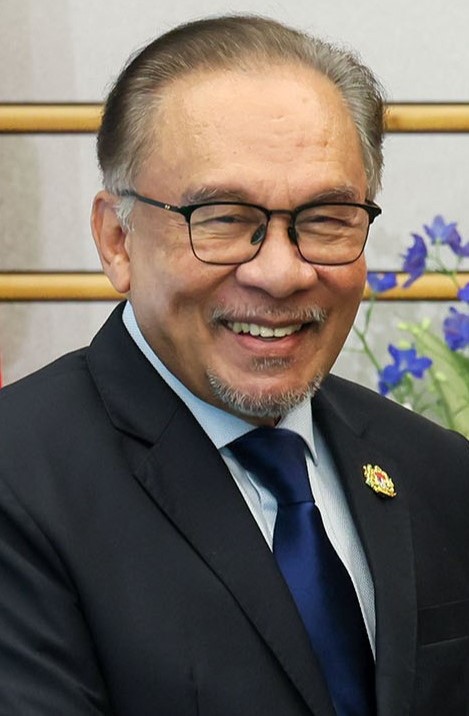
The Malaysian government has approved a notable expansion in its financial support for community-based security efforts, increasing the annual grant for Neighbourhood Watch Areas across the nation to RM10,000 from the previous RM6,000 allocation. Prime Minister Anwar Ibrahim made the announcement during a visit to Segamat, signalling the administration's commitment to bolstering local crime prevention initiatives at the grassroots level. The enhanced funding will take effect from January 1, 2027, giving neighbourhood associations several months to plan their activities and budgets for the new financial year.
This 67 percent increase represents a meaningful investment in community policing models that have become integral to Malaysia's security framework. Neighbourhood Watch Areas, known locally as Kawasan Rukun Tetangga (KRT), function as voluntary community organisations that work alongside official law enforcement to monitor and report suspicious activities within residential zones. The additional RM4,000 per association acknowledges the growing operational demands these groups face as they expand their patrols, organise safety workshops, and strengthen communication networks with local police.
For most Malaysian neighbourhoods, the KRT structure represents the most direct interface between residents and security services. These grassroots organisations have evolved significantly over recent decades, shifting from informal neighbourhood watch schemes to more structured entities with defined responsibilities and increasingly sophisticated crime-prevention strategies. The funding increase reflects recognition that these voluntary associations require adequate resources to purchase equipment, conduct training sessions, and sustain their operations throughout the year.
The timing of the announcement carries political significance as well. By targeting neighbourhood-level security improvements, the government addresses a concern that resonates across urban and semi-urban constituencies. Crime prevention and personal safety consistently rank among voters' primary concerns, regardless of political affiliation. The Segamat announcement demonstrates an administration responding to widespread public anxieties about neighbourhood safety while devolving responsibility to communities themselves rather than relying solely on centralised police resources.
Neighbourhood associations across Malaysia will benefit from this enhanced budgetary allocation in concrete ways. The additional funds can support night patrols with better lighting equipment, purchase communication devices for rapid incident reporting, conduct community awareness campaigns about personal security, and reimburse volunteer members for expenses incurred during their watch activities. Some associations may invest in CCTV systems or emergency response training, strengthening their capacity to serve as early-warning mechanisms for law enforcement.
The announcement also reflects broader policy trends favouring community engagement in governance. Rather than treating security as exclusively the state's domain, successive Malaysian administrations have increasingly recognised that crime prevention functions most effectively when residents actively participate in monitoring their own environments. This decentralised approach reduces the burden on official police forces while leveraging the local knowledge and social cohesion that neighbourhood associations inherently possess.
From a regional perspective, Malaysia's emphasis on community policing places it alongside other Southeast Asian nations investing in neighbourhood-level security initiatives. Countries throughout the region have found that grassroots watch programmes complement professional law enforcement and often prove cost-effective compared to expanding police budgets. The RM10,000 annual allocation, while modest in absolute terms, extends across thousands of neighbourhood associations nationwide, translating into significant aggregate resources for community security efforts.
Implementing this funding increase will require coordination between federal government agencies, state authorities, and the associations themselves. Clear guidelines regarding eligible expenditures, claims procedures, and reporting requirements will need to be established to ensure transparent disbursement when payments commence in January 2027. Local authorities will likely play a supervisory role, verifying that funds are used appropriately and that associations maintain their engagement with official law enforcement.
The announcement also signals continued support for volunteerism in Malaysia's security architecture. Neighbourhood watch members typically receive no compensation for their time and effort, making financial support for their organisations' operations particularly important for sustaining participation. Better-resourced associations can organise appreciation events, provide safety training, and create more professional structures that may appeal to younger community members who might otherwise perceive volunteering as outdated.
For residents in established neighbourhood associations, the funding boost may translate into visible improvements in their areas. Enhanced visibility through better-lit patrols, more frequent community meetings, and expanded safety initiatives can contribute to both actual crime reduction and the perception of increased security, which itself influences property values and quality of life in residential zones.
The timing also positions this initiative within the government's broader community engagement agenda. As Malaysia continues urbanising and social structures become more dispersed, maintaining strong neighbourhood bonds becomes increasingly challenging yet simultaneously more important for social cohesion. Supporting KRT organisations financially reinforces the value the administration places on these connective tissue institutions.
Looking ahead to 2027, the success of this funding initiative will largely depend on how effectively neighbourhood associations utilise the increased resources. Associations that invest in training, equipment, and community outreach may demonstrate measurable improvements in security outcomes. Those that struggle with organisation or face apathy among members may see diminishing returns on the investment.
The announcement from Segamat thus represents more than a simple budget adjustment; it reflects policy recognition that neighbourhood-level security initiatives deserve sustained, adequate funding. As Malaysian communities continue navigating evolving crime patterns and security challenges, the enhanced annual grant provides these volunteer organisations with tools to serve their residents more effectively.