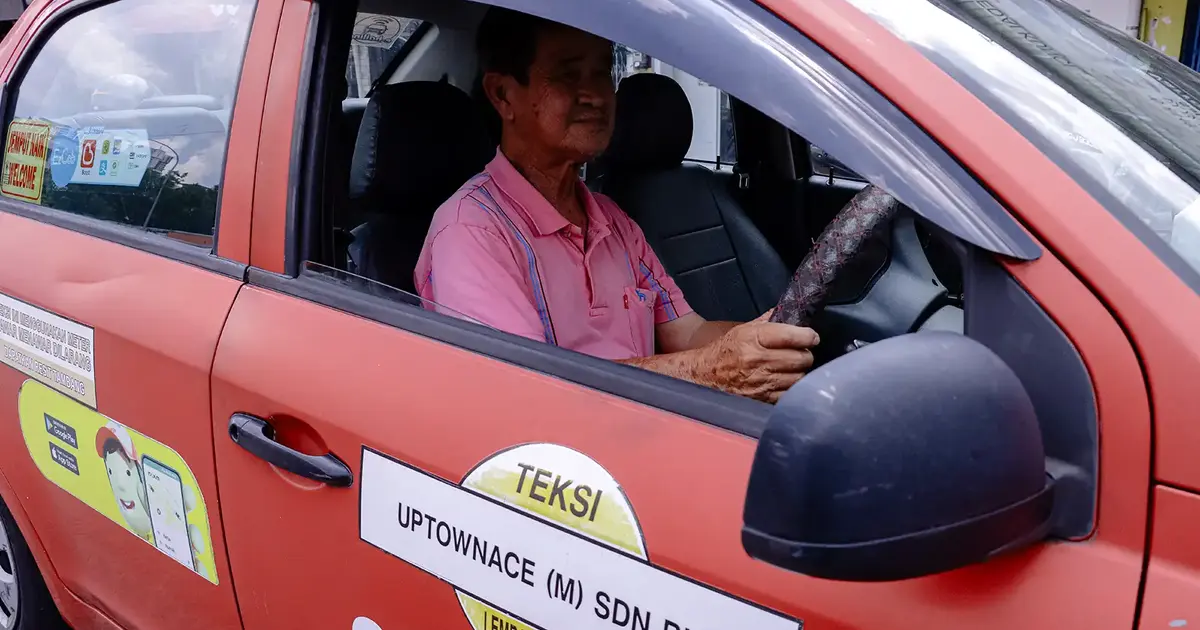
The Malaysian government has unveiled a fresh RM10 million support package targeting the nation's taxi driver community, underscoring the administration's recognition of their economic struggles and their outsized importance to the country's international standing. Prime Minister Anwar Ibrahim characterised the drivers as essential frontliners whose daily interactions with tourists and business travellers fundamentally shape how the world perceives Malaysia, elevating their work beyond mere transportation services to a crucial diplomatic function.
This financial commitment reflects growing acknowledgement within Putrajaya that the taxi industry has faced sustained pressures in recent years, particularly from the rise of ride-hailing platforms and post-pandemic challenges that disrupted tourism flows. By designating taxi operators as frontline workers, the government is positioning them alongside healthcare and essential service personnel in terms of national importance, a rhetorical shift that carries meaningful implications for how their labour is valued within policy circles.
The allocation demonstrates the administration's broader strategy of balancing support for traditional economic sectors while adapting to modern market realities. Rather than attempting to restrict digital ride-sharing services, the approach channels resources directly to taxi drivers to enhance their competitiveness and improve their working conditions. This acknowledges that many drivers operate as independent contractors with minimal safety nets, making them particularly vulnerable to economic shocks and market disruptions.
For Malaysian taxi drivers themselves, the intervention offers tangible relief amid persistent concerns about dwindling passenger volumes and income instability. Many operators have struggled to maintain profitability while managing vehicle maintenance costs, fuel expenses, and licensing fees. The additional funding could be deployed through various mechanisms—whether direct cash assistance, subsidised training programmes, technology upgrades to enable digital booking integration, or support for vehicle maintenance and safety improvements.
The timing of this announcement carries significance for Malaysia's tourism recovery trajectory. As the nation works to rebuild its reputation and attract international visitors following pandemic-related disruptions, the condition of taxi services directly impacts visitor satisfaction and willingness to recommend the country to others. Taxi drivers frequently serve as informal ambassadors, and their professionalism, courtesy, and knowledge of local attractions contribute materially to the overall tourism experience that shapes repeat visitation and international word-of-mouth.
For Southeast Asia broadly, this initiative reflects a pattern where governments are grappling with how to support workers displaced or marginalised by technological disruption. Unlike some regional neighbours that have pursued more restrictive approaches, Malaysia's strategy emphasises uplift rather than prohibition, potentially serving as a model for other nations managing similar labour market transitions. This approach recognises that taxi drivers represent a significant voting bloc and represent an important constituency within Malaysia's informal economy.
The RM10 million figure, while substantial, must be contextualised within the broader ecosystem of taxi operations across Malaysia. With tens of thousands of licensed drivers operating nationally, the per-capita impact depends heavily on how the funds are distributed and whether they reach the most vulnerable operators. The effectiveness will largely hinge on implementation mechanisms and whether support reaches independent drivers or primarily benefits corporate taxi operators.
Beyond immediate economic relief, the government's framing of taxi drivers as cultural ambassadors opens pathways for complementary support initiatives. Enhanced training programmes in customer service, foreign languages, and local cultural knowledge could amplify their value proposition relative to ride-hailing alternatives. Investment in safety features, vehicle cleanliness standards, and professional accountability mechanisms could further distinguish licensed taxis in the competitive transportation marketplace.
The announcement also signals potential shifts in how Malaysian policymakers conceptualise the relationship between government and informal or semi-formalised workers. Rather than viewing taxi drivers primarily through a regulatory lens, the emphasis on their contribution to national image suggests willingness to invest in their wellbeing as a public good rather than merely individual entrepreneurial ventures. This reframing could have implications for other labour-intensive service sectors seeking government support.
Looking ahead, the sustainability of taxi driver livelihoods likely depends on integrated strategies that combine immediate financial assistance with longer-term structural reforms. These might include streamlined licensing processes, access to affordable financing for vehicle upgrades, integration with digital booking platforms on favourable terms, and ongoing skills development. The current allocation represents one component of a broader challenge that taxi industry stakeholders and government policymakers will need to address collaboratively.
For Malaysian consumers and international visitors alike, improved taxi driver circumstances could translate into better service quality, enhanced safety standards, and more reliable transportation options during their time in the country. This creates positive externalities that extend beyond the drivers themselves to benefit the broader tourism and hospitality ecosystem that depends on seamless transportation infrastructure as a foundational element of visitor experience.

