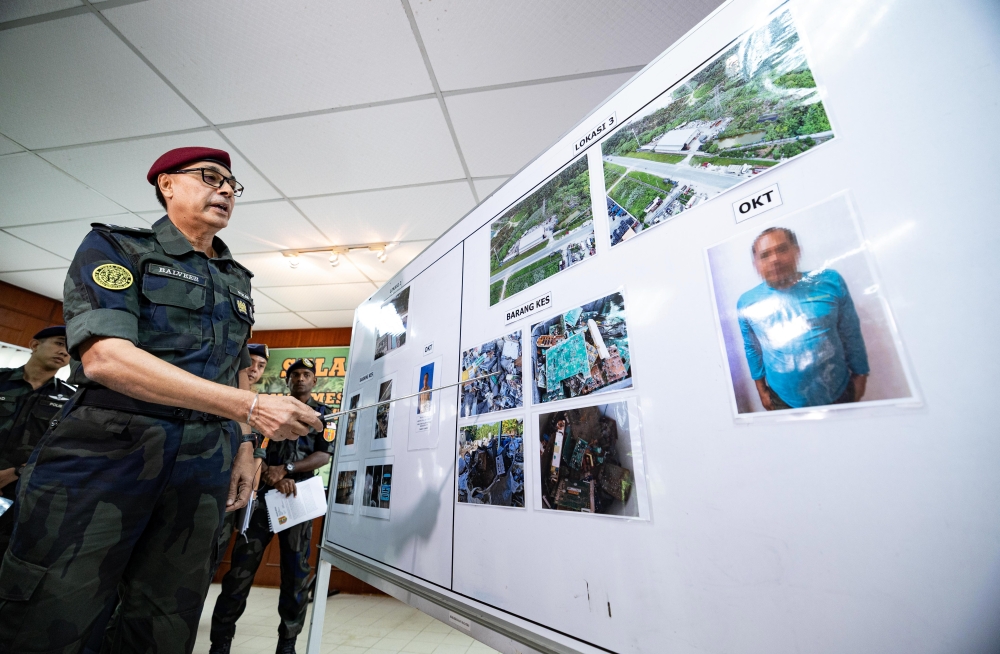
The General Operations Force Northern Brigade has dealt a substantial blow to e-waste trafficking networks operating in Perak, culminating in the seizure of over 120 tonnes of prohibited electronic refuse during a series of coordinated raids conducted in Ipoh. The operation, which resulted in the apprehension of 14 individuals, recovered materials valued at approximately RM9.39 million, signalling intensified enforcement against the illicit dumping and trading of hazardous electronic components that poses serious environmental and public health threats across the region.
The enforcement action represents a significant escalation in the authorities' capacity to track and intercept illegal e-waste shipments before they enter Malaysian markets or are redistributed to neighbouring countries. Specialised teams from the GOF Northern Brigade conducted multiple simultaneous operations at suspect premises throughout Ipoh, employing intelligence gathered from environmental monitoring and customs coordination to identify storage facilities and processing sites where contraband materials were being accumulated and prepared for distribution. The systematic approach demonstrates improved inter-agency cooperation in combating transnational waste trafficking, a persistent challenge across Southeast Asia where developed nations increasingly offload their electronic refuse to countries with less stringent regulatory frameworks.
The 120,220 kilogrammes of seized material comprised a diverse array of electronic components, ranging from discarded computers and telecommunications equipment to industrial machinery containing hazardous substances such as lead, mercury, and cadmium. These materials, when improperly processed or dumped, leach toxic compounds into soil and groundwater supplies, creating long-term contamination that affects agricultural productivity and human consumption patterns. The Ipoh operation underscores how Malaysia's geographic location and industrial infrastructure have inadvertently positioned the country as a transit hub and processing centre for e-waste destined for both domestic consumption and re-export to less developed nations within the region.
The detention of 14 suspects opens investigative pathways into the broader operational structure of these smuggling networks, potentially exposing supply chains, distribution networks, and financial beneficiaries. Enforcement authorities are expected to conduct further interrogations to establish the origin of the seized materials, whether they were imported through falsified documentation or diverted from legitimate recycling operations. The investigation may reveal connections to international waste trading consortiums that exploit regulatory gaps between Malaysia and source countries, particularly in North America, Europe, and East Asia, where stringent domestic recycling laws incentivise illegal exportation of hazardous waste.
From a regional perspective, this operation aligns with growing pressure on ASEAN member states to strengthen enforcement against illegal waste transfers, following widespread public outcry over environmental degradation in countries hosting unregulated e-waste processing facilities. The Basel Convention, which Malaysia ratified, explicitly restricts the transboundary movement of hazardous waste, yet enforcement remains inconsistent across participating nations. The Ipoh seizure demonstrates Malaysia's capacity to conduct high-impact interdiction, though sustainability of such operations requires sustained investment in training, surveillance technology, and cross-border intelligence sharing mechanisms that remain underdeveloped in the region.
The RM9.39 million valuation reflects both the recoverable precious metal content—including gold, silver, and copper—and the cost of proper environmental remediation. This dual value structure creates perverse economic incentives, as illicit traders can realise substantial profits by bypassing legitimate recycling channels that incorporate environmental compliance costs. The margin between illegal and legal e-waste processing essentially subsidises smuggling operations, a dynamic that enforcement authorities must address through coordinated efforts to enhance the competitiveness of formal recycling sectors and increase penalties for illegal trading sufficiently to deter participation.
For Malaysian consumers and businesses, this enforcement action carries implications for supply chain transparency and corporate environmental responsibility. The proliferation of e-waste trafficking suggests that some electronics entering Malaysian retail channels may originate from questionable sources, with unclear disposal pathways. Manufacturers and importers operating in Malaysia face reputational risks if their products are subsequently recovered from illegal dumps, potentially prompting stricter domestic regulations requiring extended producer responsibility for electronic goods throughout their lifecycle. The Ipoh operation may catalyse policy discussions around mandatory deposit schemes, manufacturer take-back programmes, and certified recycling standards currently underdeveloped in Malaysia's waste management framework.
Looking forward, the GOF Northern Brigade's success in this enforcement action will likely inform resource allocation and tactical approaches within the broader environmental crime division. The coordination required to execute simultaneous multi-site raids suggests improved information-sharing protocols between the GOF, Malaysian Customs, and environmental enforcement agencies. However, sustained effectiveness depends on legislative amendments that increase penalties for e-waste trafficking and provide border control agencies with expanded authority to inspect containerised cargo destined for ports in Peninsular Malaysia and Malaysian Borneo. Current maximum penalties may inadequately reflect the severity of environmental harm and the profit margins involved in smuggling operations.
The broader context of this seizure encompasses Malaysia's transition toward a circular economy and commitment to the United Nations Sustainable Development Goals, particularly targets related to responsible consumption and climate action. The prevalence of e-waste smuggling undermines these policy objectives by perpetuating linear consumption patterns where developed nations export their environmental liabilities to developing economies. The Ipoh operation demonstrates that Malaysia possesses operational capacity to enforce environmental laws; translating this capacity into systemic change requires complementary interventions including consumer education, corporate accountability mechanisms, and regional cooperation frameworks that make legitimate e-waste management economically competitive with smuggling alternatives.

