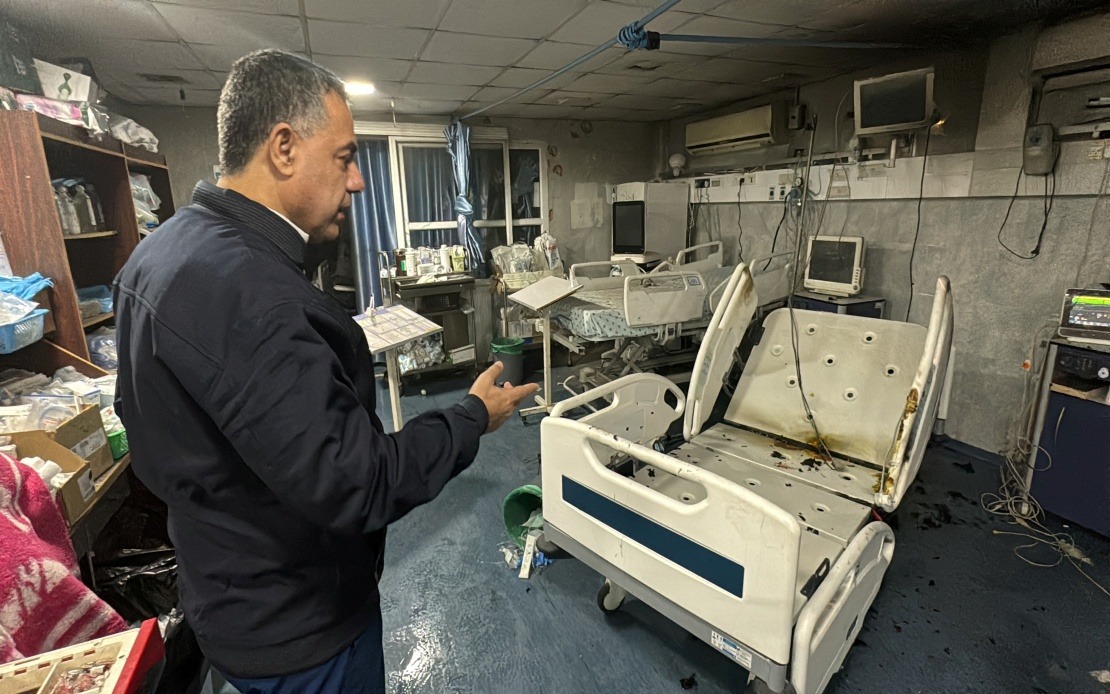
A prominent human rights organisation has expressed grave concern for the safety of Dr Hussam Abu Safiya, the director of Kamal Adwan Hospital in northern Gaza, after documenting what it describes as severe physical deterioration following his transfer to Nitzan Prison in Israel. The warning from Physicians for Human Rights, delivered through its legal representatives, suggests the hospital administrator faces an immediate threat to his life while in custody.
During a prison visit on July 2, the organisation's lawyer Nasser Odeh conducted a detailed examination and documented evidence that paints a troubling picture of the detainee's current condition. According to the account, Dr Abu Safiya presented with multiple serious injuries, including visible bruising and lacerations to the head, face, and neck region that rendered him difficult to identify. The lawyer also observed signs consistent with physical assault, including respiratory complications and repeated episodes of unconsciousness that suggest potential internal injuries or neurological damage.
The manner of the prison visit itself raised additional concerns about Dr Abu Safiya's treatment. He was brought to the legal meeting in restraints, with both hands and feet shackled, and remained under constant surveillance by armed prison staff throughout the encounter. This security arrangement, while standard in some detention facilities, reflects the classification of the hospital administrator as a high-security detainee despite his background as a civilian medical professional.
The observed injuries appear to have intensified following Dr Abu Safiya's court appearance, when he challenged the legality of his continued detention. Naji Abbas, who heads the Prisoners and Detainees Department at Physicians for Human Rights Israel, characterised the sequence of events as deeply alarming, noting that the deterioration coinciding with his legal challenge suggests potential retaliation. Abbas stated that the evidence documented by the organisation's lawyer represents among the most disturbing testimony the group has gathered since the outbreak of conflict in Gaza.
Most significantly, Dr Abu Safiya himself allegedly expressed fear that he would not survive his time in custody. This statement, recorded by his lawyer during their meeting, underscores the psychological and physical pressure the detainee believes he faces. The hospital administrator's fear of death while imprisoned represents the most serious dimension of the human rights concern, transforming the case from one of detention conditions into an issue of fundamental personal safety.
Physicians for Human Rights Israel has renewed its demand for Dr Abu Safiya's immediate release, arguing that his continued detention without formal charges or trial violates international legal standards. The organisation has similarly called for the freedom of other medical personnel it claims are held in Israeli custody under comparable circumstances. This collective concern reflects broader tensions regarding the status of healthcare workers in conflict zones and their legal protections under international humanitarian law.
The human rights group has placed direct responsibility for Dr Abu Safiya's wellbeing upon Israeli authorities, invoking standard custodial obligations that require state institutions to maintain the health and safety of all detained persons. Abbas explicitly called for immediate and independent investigation into the circumstances surrounding the hospital director's injuries, signalling that the organisation does not accept official explanations or internal reviews as sufficient to address the allegations.
The case of Dr Abu Safiya carries particular significance within the Gaza health crisis, as Kamal Adwan Hospital represents one of the few remaining functional medical facilities in the territory. The hospital's director, as a recognised medical administrator, holds additional symbolic importance in discussions about the preservation of civilian infrastructure during conflict. His detention and alleged mistreatment therefore intersect with broader questions about attacks on healthcare systems and the protection of medical personnel.
For Malaysian and Southeast Asian observers, the case illuminates ongoing debates about detention practices in conflict zones and the accountability mechanisms available to international human rights organisations. The reliance upon lawyer testimony and independent documentation rather than governmental transparency reflects the limited access outsiders maintain to detained persons in high-security facilities. The allegations also demonstrate how security concerns, even when legitimately grounded, can create environments where abuse may occur with limited external oversight or accountability.
The situation underscores the fragility of humanitarian protections in contemporary conflicts, where even individuals with clear civilian and medical status may face extended detention without formal charges or judicial process. International legal frameworks, while comprehensive on paper, prove difficult to enforce when contested between state actors and human rights monitors. Dr Abu Safiya's case will likely feature prominently in future accountability discussions regarding the Gaza conflict and detention practices.

