The accumulation of microplastics in garden soil represents an environmental challenge that extends far beyond ornamental landscaping, touching the fundamental integrity of our food systems and ecosystems. As these minuscule plastic particles—fragments smaller than 5 millimetres—break down from everyday household items and enter our gardens, they become integrated into the soil structure where they potentially compromise plant health and contaminate the vegetables and fruits we grow for our families. For Malaysian households practising gardening and urban farming, understanding the sources and pathways of microplastic pollution offers an opportunity to make meaningful environmental choices while simultaneously improving cultivation practices.
Microplastics originate from an extensive array of commonplace products that gardeners regularly bring into their growing spaces. Food containers, synthetic pesticide bottles, plastic-lined fertiliser bags, and even synthetic clothing fibres contribute to this pervasive problem. Once these materials degrade—a process that can take decades or longer—the particles become dispersed through soil, water systems, and ultimately into the organisms inhabiting these environments. The magnitude of the challenge becomes apparent when researchers detect microplastics not merely in contaminated sites but in pristine agricultural soils, drinking water across multiple continents, and increasingly within human tissue samples, indicating a global circulation pattern that touches virtually every person.
Healthy garden soil thrives through the activity of millions of microorganisms—bacteria, fungi, and other creatures that create nutrient cycles essential for plant growth. When microplastics infiltrate this delicate biological community, they can interfere with these processes and potentially accumulate within plants themselves, creating a pathway for these particles into the human food chain. For Malaysian gardeners who view their plots as extensions of household food security, particularly in urban and peri-urban areas where land availability limits agricultural options, this contamination represents a direct threat to the purity and safety of homegrown produce.
The transition to plastic-free gardening begins with reconsidering the containers and vessels used for seed propagation and plant cultivation. Soil-blocking kits offer a sophisticated alternative to plastic seed trays, using metal moulds to compress growing media into self-supporting cubes that require no container whatsoever. Beyond eliminating plastic waste, this method delivers horticultural advantages: roots developing within the compressed cubes experience air-pruning, which encourages lateral root development and denser root systems compared to roots circling within traditional pots. Plants established through this technique transplant with greater vigour and establish themselves more rapidly in garden beds—benefits that extend beyond environmental considerations to actual productivity gains.
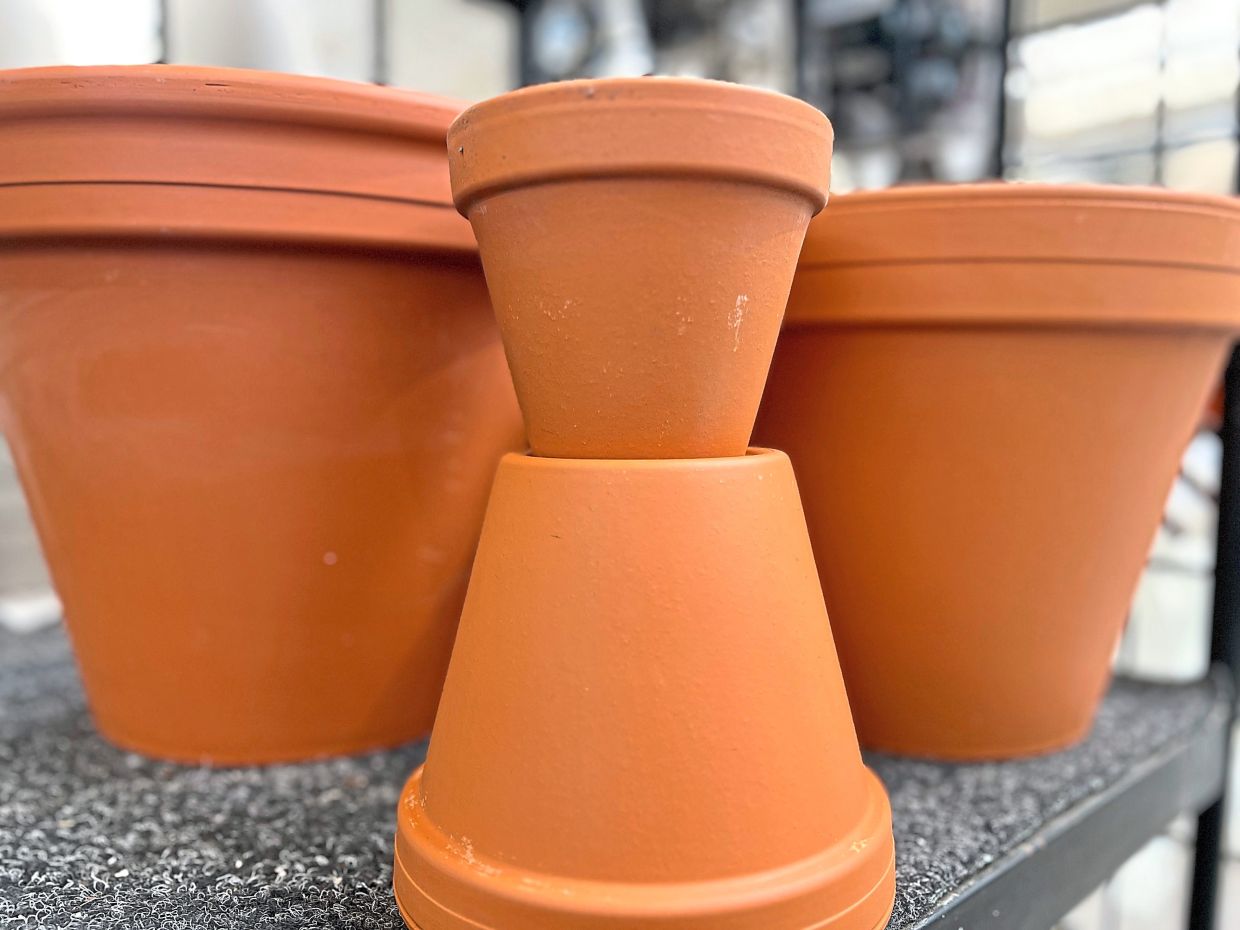
For gardeners seeking simpler alternatives without adopting new techniques, readily available options in Malaysia's growing horticultural supply sector include containers manufactured from compressed coconut coir (cocopeat) and composted manure, materials that decompose harmlessly once their growing season concludes. These biodegradable vessels can be planted directly into beds, where they break down and contribute organic matter to soil. Larger permanent plantings benefit from traditionally proven materials: terracotta pots, wooden containers, and fabric grow bags constructed from natural fibres rather than synthetic polymers. Fabric grow bags merit particular attention for Malaysian gardeners, as they accommodate a range of crops from potatoes (with convenient harvesting doors) to root vegetables and herbs, promoting superior drainage and root development compared to rigid containers while remaining compostable at the end of their service life.
The procurement strategy for plant material itself represents another decision point where environmental impact accumulates. Rather than purchasing plants already containerised in plastic pots—thereby perpetuating the demand for plastic nursery infrastructure—gardeners can request bare-root specimens from suppliers, a practice increasingly available through online platforms and specialty nurseries. This approach reduces both plastic consumption and the transportation weight of soil-laden containers, lowering the carbon footprint of each plant acquisition while supporting horticultural businesses operating with environmental consciousness.
Composting transforms kitchen and garden waste into valuable soil amendments while simultaneously eliminating the necessity to purchase bagged fertiliser and growing media, thereby removing another category of plastic packaging from the household waste stream. Malaysian gardeners with adequate space should prioritise establishing compost systems, whether through traditional heap methods, tumbling bins, or vermicomposting setups suited to tropical climates. Those unable to accommodate on-site composting can purchase compost in bulk from local suppliers, reducing packaging waste while typically achieving cost savings compared to bagged products. This shift requires only modest infrastructure adjustment yet delivers multiple compounding benefits—waste reduction, financial economy, transparency regarding soil amendments, and enhanced understanding of nutrient cycling.
The protective infrastructure of gardens—tarps, mulching materials, and plant supports—offers numerous opportunities to eliminate plastic while actually improving soil health through organic matter enhancement. Canvas tarps replace their plastic equivalents without sacrificing durability, while landscape fabric, despite its widespread recommendation for weed suppression, introduces a persistent plastic layer that fragments over time. Organic alternatives including shredded bark, wood chips, and dried leaves accomplish identical weed-suppression functions while contributing to soil organic matter as they decompose. Bamboo poles, wooden stakes, and metal supports accomplish plant training and structural support that plastic-coated metal or plastic alternatives provide, while hemp and jute twine offers superior biodegradability. Even plant labels can transition to wooden popsicle sticks marked with non-toxic paint or pencil, eliminating the need for plastic markers.
For gardeners unable to eliminate plastic entirely from their operations—recognising that certain niche applications may benefit from plastic functionality—the critical decision involves selecting reusable, durable plastic items rather than single-use alternatives. A robust seed tray lasting twenty years of seasonal use presents an dramatically different environmental cost profile compared to flimsy disposable trays destined for landfills after a single season. This hierarchy of plastic consumption, prioritising durability and longevity over convenience, acknowledges practical constraints while maintaining environmental progress. Malaysian households accustomed to disposable consumer culture require cultural adjustment toward this longevity-focused mentality, yet the economic and environmental mathematics prove compelling.
The transition toward microplastic-free gardening practices aligns naturally with Malaysia's growing consciousness regarding environmental stewardship and sustainable living, particularly among younger urban gardeners embracing rooftop cultivation and balcony growing to address food security concerns. Rather than representing burdensome restrictions, these alternatives often prove simultaneously more economical, more productive, and more connected to traditional horticultural wisdom that predates plastic's ubiquity. Each substitution—whether replacing a plastic pot with terracotta, adopting compost rather than bagged fertiliser, or choosing organic mulch over landscape fabric—constitutes a small intervention with cumulative significance. Across thousands of Malaysian households practising these modifications, the aggregate reduction in microplastic introduction into soil, water systems, and ultimately into human bodies becomes substantial. This grassroots environmental action demonstrates how individual gardening choices, multiplied across communities, can meaningfully address pollution pathways while producing tangible benefits in harvest quality, soil vitality, and long-term food security.

