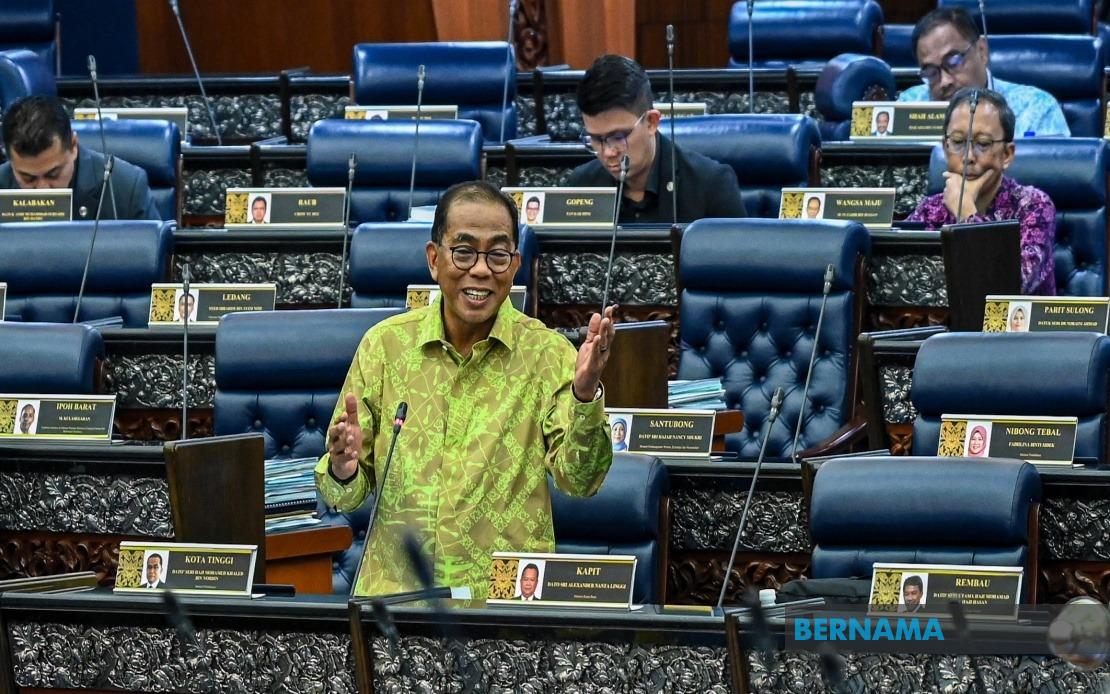
A complete investigation report into the deadly grenade explosion that occurred at Hobart Camp Firing Range in Gurun, Kedah, is scheduled for submission on July 23, Defence Minister Datuk Seri Mohamed Khaled Nordin announced in Parliament on Tuesday. The blast, which happened during a routine training activity last month, claimed the lives of Lance Corporal Siti Khadijah Sungip and Sergeant Norazmi Abu Bakar, marking a tragic loss for the Malaysian Armed Forces and raising urgent questions about training safety protocols across the military establishment.
The delay in completing the investigation reflects the thoroughness being applied to examine all dimensions of the incident, according to Mohamed Khaled's statement to the Dewan Rakyat. The Defence Ministry received an initial report from the Army Western Field Command Headquarters on July 13, but subsequent reviews identified gaps requiring additional witness interviews and potentially more testimony from other personnel involved in or observing the training exercise. This methodical approach aims to establish conclusive findings rather than rush to preliminary judgments about what triggered the explosion.
The tragedy unfolded on June 16 at approximately 10:57 am during a Combat Enhancement Training exercise conducted as part of standard military preparation activities. Both victims suffered catastrophic injuries inside a bunker when the grenade detonated unexpectedly, and despite immediate evacuation to Sultan Abdul Halim Hospital in Sungai Petani, medical intervention could not prevent their deaths. The incident sent shockwaves through military ranks and prompted immediate review of operational safety standards across training facilities nationwide.
In response to questioning by Datuk Mohd Isam Mohd Isa (BN-Tampin) in Parliament, Mohamed Khaled detailed the investigation structure and remedial actions already implemented. A board of inquiry was formally established the day following the explosion on June 17 and has been conducting systematic examinations of technical aspects, standard procedures, and eyewitness accounts. The investigation's scope encompasses not only the immediate cause but also systemic factors that may have contributed to the accident, reflecting broader concerns about military training safety.
The Defence Ministry has already instituted significant preventive measures in the aftermath of the tragedy. Army Chief General Tan Sri Azhan Md Othman mandated an immediate halt to all grenade-throwing exercises pending investigation completion, a precautionary step affecting training schedules across multiple units. Additionally, a comprehensive special inspection of all remaining grenades held by the 1st Squadron of the Royal Engineer Regiment was ordered to identify any defective or compromised ordnance that might pose similar risks.
Beyond these immediate responses, the ministry has developed a broader safety enhancement strategy intended to prevent recurrence of such incidents. The installation of closed-circuit television cameras at all firing ranges will enable real-time monitoring and post-incident analysis, providing crucial visual documentation of training activities. Body-worn cameras on instructors and personnel conducting explosive exercises will create additional layers of accountability and evidence gathering for future investigations.
A new casting policy for ammunition and explosives represents a particularly significant development in military procurement and maintenance practices. This system will establish verified service life periods for ordnance, ensuring that aging or deteriorated weapons are systematically removed from circulation before they become dangerous. The policy addresses a fundamental vulnerability in training safety by preventing the use of grenades or other explosives that may have exceeded their reliable operational lifespan due to storage conditions or manufacturing defects.
For Malaysian military personnel and their families, the Gurun incident underscores the inherent risks of armed forces service and the critical importance of rigorous safety protocols. The two fatalities represent a stark reminder that training exercises, while essential for operational readiness, carry genuine hazards that demand constant vigilance and continuous improvement. The Defence Ministry's response demonstrates institutional recognition of this responsibility and commitment to learning from tragedy.
Regionally, the incident reflects broader challenges facing Southeast Asian militaries managing large arsenals and conducting intensive training programs with existing resources. Countries across the region frequently operate equipment and ordnance that may approach or exceed recommended service cycles, creating cumulative safety risks. Malaysia's approach to implementing systematic improvements through technology and policy frameworks could serve as a benchmark for military safety practices in the region.
The completion of the investigation on July 23 will provide clarity on specific causative factors and may reveal whether the incident stemmed from equipment failure, procedural error, training inadequacy, or combinations thereof. This clarity is essential not only for the families seeking answers but also for the military institution itself to implement targeted corrective measures. The board of inquiry's final conclusions will likely shape training protocols, equipment standards, and supervisory practices across the entire Malaysian Armed Forces.
Meanwhile, the temporary suspension of grenade exercises continues across affected units, creating operational adjustments as alternative training methods are employed. This disruption, while necessary, highlights the genuine stakes involved in military training safety decisions. The Defence Ministry must balance the urgent need to maintain combat readiness with equally pressing imperatives to protect personnel from preventable accidents.

