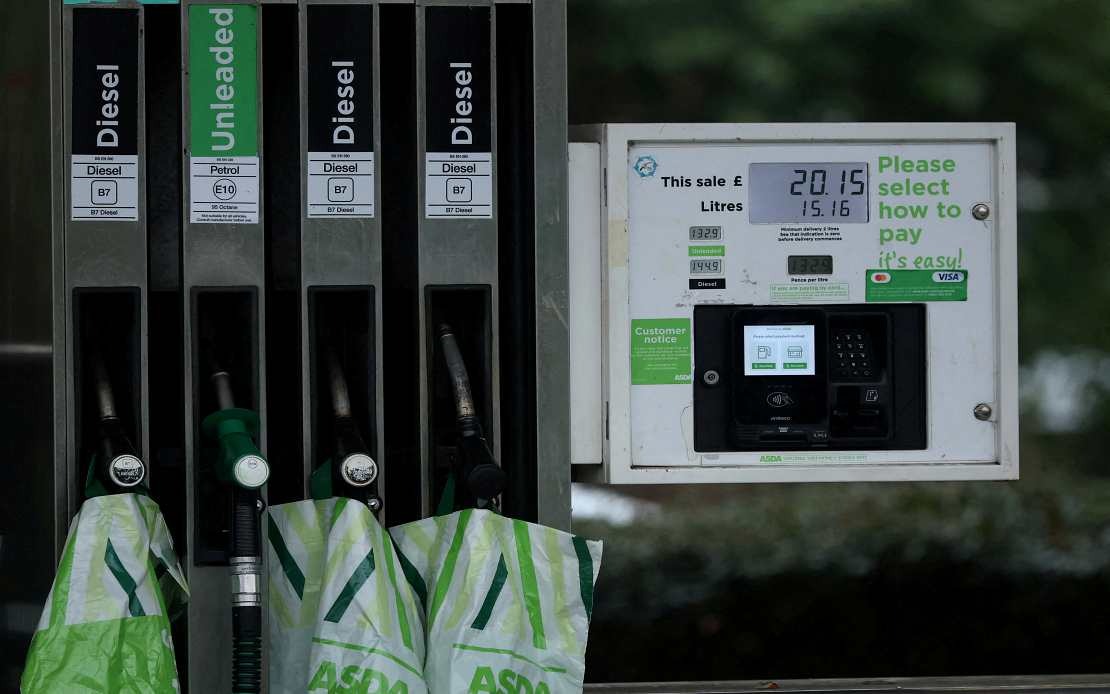
Fuel theft across the United Kingdom has reached unprecedented levels since the outbreak of the Iran oil crisis, with drivers and other perpetrators stealing an estimated daily average of £194,000 from petrol pumps according to recent analysis. The staggering figure emerged from data compiled by Forecourt Eye, a fuel theft prevention specialist, which examined patterns across a representative sample of 550 filling stations spanning the UK's 8,359 pumps nationwide. The scale of the problem underscores a growing crisis facing independent and branded forecourt operators as economic pressures mount and petrol prices surge beyond historical norms.
The conflict that ignited on February 28 has served as a catalyst for a sharp escalation in pump-related crime. Within the first five months following the outbreak of hostilities, incidents of fuel theft without payment climbed by 20 per cent relative to the preceding five-month period. What makes this statistic particularly concerning is that the actual financial impact is even more severe than raw incident numbers suggest. Because petrol and diesel prices have risen dramatically in response to the geopolitical tension, the monetary value of stolen fuel has increased by 48 per cent over the same comparison period. This dual effect—more frequent thefts combined with higher unit prices—has created a compounding challenge for forecourt operators already operating on thin margins.
The composition of offenders reveals a troubling shift in who is committing these crimes. Incidents involving first-time perpetrators increased by 23 per cent, while the actual volume of fuel stolen by newcomers to this crime rose by 26 per cent. Repeat offenders, meanwhile, showed increases of 17 per cent in incidents and 20 per cent in volume stolen. This pattern suggests that fuel theft is no longer confined to organized criminal networks or habitual offenders; instead, ordinary motorists are increasingly turning to theft as petrol prices squeeze household budgets. The distinction between drive-offs, where no payment attempt is made whatsoever, and incidents where customers claim they have no means of payment, illustrates the varied motivations and circumstances driving the phenomenon.
Petrol prices have become a flashpoint for consumer frustration and a catalyst for desperation. The average litre of unleaded petrol reached 160 pence on the date of this report, representing an increase of approximately 27 pence compared to the period before the Iran conflict commenced. For diesel, the price differential is even starker, with pumps charging an average of 179 pence per litre—some 37 pence higher than pre-conflict levels. These represent three-and-a-half year highs for petrol, reflecting the vulnerability of UK energy markets to Middle Eastern geopolitical shocks. The direct correlation between rising prices and rising theft suggests that cost-of-living pressures are pushing ordinary people beyond traditional legal behaviour.
Industry responses are beginning to coalesce around technological solutions designed to deter and detect fuel thieves. Forecourt Eye has partnered with Facewatch, a crime prevention technology company, to provide free access to crime reporting platforms for its customers. This partnership enables forecourt operators to document fuel thefts, shop crime, and other illegal incidents more systematically. The technology also offers an optional integration with a live facial recognition network operated by Facewatch, which can alert operators when known offenders enter their premises. While these systems represent a significant step forward in crime prevention capacity, they also raise important questions about surveillance, privacy, and the appropriate balance between security and civil liberties in retail environments.
Michelle Henchoz, managing director of Forecourt Eye, framed the technological partnership as a necessary adaptation to evolving criminal tactics. She emphasized that as offending becomes more organized and sophisticated, operators require integrated technology solutions capable of protecting both the forecourt fuel area and convenience store operations simultaneously. This observation suggests that fuel theft is not occurring in isolation but is part of a broader pattern of retail crime affecting petrol station operators. The sophistication Henchoz references likely encompasses coordinated theft rings, timing attacks to avoid detection, and potentially targeting stations with weaker security infrastructure.
The independent petrol retailers association has become increasingly vocal about conditions facing its members. Gordon Balmer, executive director of the Petrol Retailers Association representing independent stations, reported that members are experiencing rising levels of verbal abuse and physical aggression from customers directed at staff members. This is particularly significant because forecourt attendants have absolutely no control over the prices displayed on pumps; they are contractual employees with no decision-making authority regarding fuel costs. The anger and frustration manifesting as aggression toward minimum-wage workers reveals how deeply petrol prices have affected public sentiment and how easily that frustration can translate into threatening behaviour toward vulnerable service sector employees.
One operator's perspective illuminates how these thefts disproportionately harm small business owners rather than major multinational oil companies. Ben Lawrence, director of Lawrences Garages, which operates five petrol stations in Norfolk and Hampshire, provided crucial insight into the economics of fuel theft. When a driver departs without paying for £80 to £90 worth of fuel, that loss directly impacts Lawrence's modest enterprise, not BP or Shell. This distinction is critical because a widespread misconception exists among some motorists that all branded forecourts—those displaying logos of major energy corporations—are operated directly by those corporations. This false belief creates a moral permission structure whereby drivers rationalize that their theft doesn't matter because they believe they are stealing from large, faceless multinationals rather than small business operators struggling to remain viable.
Historically, fuel theft was predominantly carried out by individuals already engaged in other criminal activities, according to Lawrence's observations. However, the current surge represents a fundamental departure from this pattern. Rising costs of living across multiple sectors—energy, housing, food, transportation—have normalized theft among people with no prior criminal involvement. This democratization of fuel theft reflects broader economic distress affecting working-class and middle-class households simultaneously. When ordinary people who would never previously have considered stealing fuel feel compelled to do so as a survival strategy, it signals a profound breakdown in household financial resilience and a crisis in affordability affecting transportation costs.
The implications of this crisis extend beyond individual petrol stations to the broader UK economy and society. Fuel stations operate on notoriously thin profit margins, typically earning only a few pence per litre sold. Forecourt operators invest in convenience stores, car washes, and other services partly to generate the revenue margins necessary for viability. When fuel theft combines with reduced foot traffic and decreased discretionary spending, the cumulative effect threatens the operational sustainability of independent stations. Some locations may close entirely, reducing consumer choice and forcing drivers toward branded stations. Additionally, the resources stations must divert toward security systems, staff training, and crime prevention represent a hidden cost that ultimately impacts pricing and service quality for all customers.
For Malaysian and Southeast Asian readers, the UK experience offers instructive lessons about the consequences of energy price volatility and its social effects. Malaysia's fuel subsidies, while benefiting consumers, have historically protected the country from the extreme price swings that trigger social disruption in other markets. However, the UK situation demonstrates that when energy becomes unaffordable, criminal behaviour increases across all demographic groups, and service sector workers bear much of the burden through verbal and physical abuse. The technology solutions emerging in the UK—facial recognition networks, crime reporting platforms, and integrated security systems—represent the direction that forecourt security may move globally, with attendant implications for privacy and surveillance.
The resolution to the UK fuel theft crisis will likely require multiple simultaneous approaches. Pure enforcement through increased police resources and prosecution, while necessary, will be insufficient if the underlying economic conditions driving ordinary people toward theft remain unaddressed. Policy interventions addressing energy affordability, whether through targeted subsidies, windfall taxes on oil producers, or alternative transportation investments, may be required to reduce the motivation for theft. Simultaneously, industry investments in prevention technology and staff welfare will help contain losses and protect workers from harassment. The crisis ultimately reflects a failure of energy markets and policy to maintain fuel affordability for ordinary households, manifesting as both interpersonal conflict and systematic theft at the point of sale.

