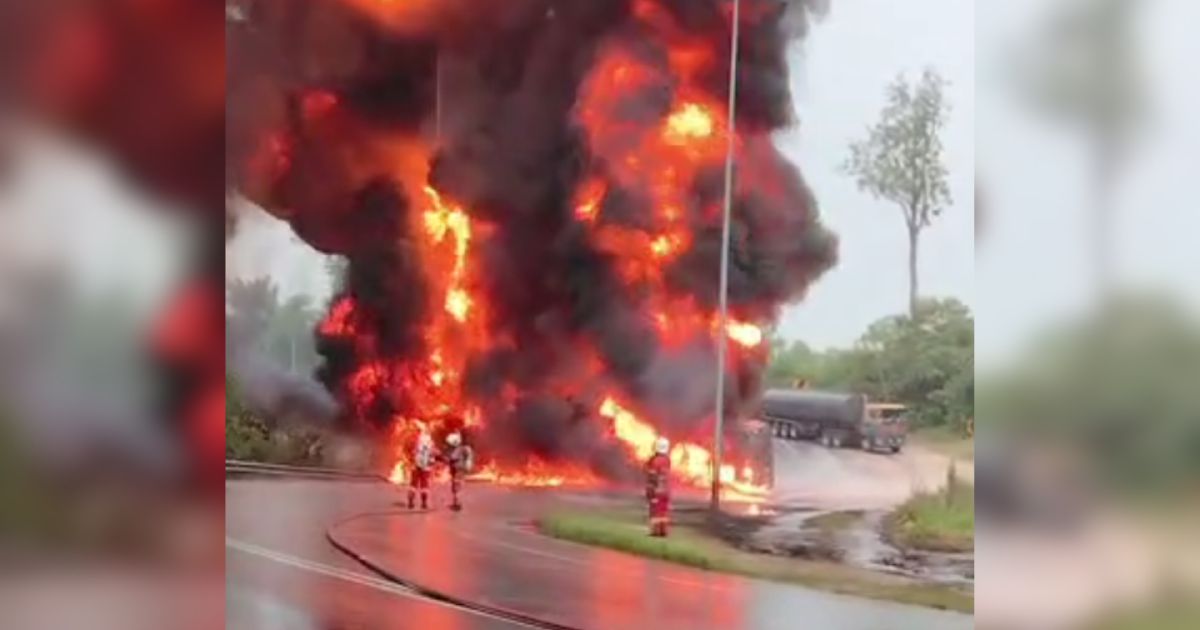
A fuel tanker operator involved in a collision that claimed the lives of a mother and her son near Temerloh has been placed under a four-day remand order by investigators seeking to determine the exact circumstances of the tragedy. The incident occurred at Kilometre 9 of Jalan Temerloh-Triang, close to Kampung Lebak, and has raised fresh concerns about highway safety and the management of heavy commercial vehicles on Malaysia's increasingly congested trunk routes.
The remand decision comes as authorities intensify their investigation into what caused the tanker to collide with the vehicle carrying the deceased pair. Police are examining multiple factors that may have contributed to the crash, including road conditions, vehicle maintenance records, driver fatigue, and potential mechanical failures. Given the involvement of a fuel tanker—a vehicle carrying hazardous materials—investigators are also likely examining compliance with regulations governing the transport of flammable liquids and whether proper safety protocols were observed.
The Temerloh-Triang corridor has become an increasingly vital commercial artery in Pahang, serving as a key connection between the East Coast and central regions of peninsular Malaysia. This stretch of highway carries substantial traffic volumes daily, mixing private vehicles with heavy commercial transport. The particular location of the accident, near Kampung Lebak, is part of a corridor where multiple communities depend on the road for daily access to services and economic activity. Safety improvements along this route have been a subject of ongoing discussion among local residents and road safety advocates.
Fatalities involving fuel tankers carry particularly grave implications beyond the immediate loss of life. Heavy commercial vehicles, especially those transporting hazardous cargo, present complex challenges for highway safety management. They require different handling characteristics, longer stopping distances, and greater skill to operate safely, particularly in challenging weather or traffic conditions. The loss of control of such a vehicle can rapidly escalate from a serious accident into a catastrophic event affecting multiple road users and nearby communities.
The four-day remand period allows police to conduct thorough questioning of the driver while forensic teams examine the accident scene and the vehicles involved. Evidence collection in such cases typically includes skid marks, vehicle damage patterns, cargo distribution, and any mechanical issues that might have preceded the collision. Additionally, investigators will seek to establish the timeline of events leading to the crash, including whether the driver had taken mandatory rest breaks as required by transport regulations.
Driver fatigue has emerged as a significant contributor to heavy vehicle accidents across Southeast Asia. Commercial drivers operating tankers often work extended hours under pressure to meet delivery schedules, potentially compromising their alertness and reaction times. Malaysian transportation authorities have implemented regulations mandating rest periods, but enforcement remains inconsistent in some regions. This incident may prompt renewed scrutiny of compliance with rest period requirements and driver working hour regulations specific to hazardous materials transporters.
For families and communities affected by highway tragedies, such incidents underscore the constant risk that users of major routes face. The Temerloh-Triang highway, while essential for regional commerce and connectivity, has experienced its share of serious accidents. Beyond the immediate human cost, fatal crashes generate broader economic impacts through traffic disruptions, emergency response mobilisation, and the subsequent investigations that often reveal systemic safety gaps.
The investigation process in Malaysia typically involves multiple agencies working in coordination. Police handle criminal aspects and preliminary investigations, while the Road Safety Department may conduct parallel inquiries into environmental and infrastructural factors. For incidents involving commercial vehicles, the Department of Transportation may also examine whether operators have complied with safety regulations, vehicle inspection requirements, and training certifications for hazardous materials handling.
This tragedy also highlights the importance of vehicle maintenance standards for commercial operators. Tankers carrying fuel must undergo rigorous inspection protocols to prevent leaks, ensure structural integrity, and verify proper functioning of braking and stability systems. Any mechanical deficiencies discovered during the investigation could have significant consequences for the operator's licensing and regulatory standing. Industry standards require documentation of all maintenance work, which investigators will scrutinise closely.
The psychological and practical aftermath of such incidents extends far beyond the immediate investigation period. Colleagues of the deceased, other road users who witnessed the crash, and emergency responders often carry lasting trauma from experiencing fatal accidents. Families left behind must navigate grief alongside potential legal proceedings and insurance claims. Community confidence in highway safety may be shaken, particularly in smaller towns where such incidents are deeply felt across the social fabric.
Looking forward, this incident may reignite policy discussions about strategic improvements to the Temerloh-Triang route, including enhanced signage, improved traffic management, and possible speed restrictions in high-risk zones. Road safety experts often point to the need for comprehensive approaches combining better infrastructure, stricter enforcement of existing regulations, and sustained public awareness campaigns. For Malaysian highway authorities, each fatal accident serves as a painful reminder of the constant need for vigilance in managing one of the region's most challenging transportation environments.
As the investigation progresses over the coming days, the remanded driver's cooperation with authorities will prove crucial in establishing precisely what sequence of events led to the fatal collision. The findings may ultimately inform policy adjustments aimed at preventing similar tragedies on Malaysia's increasingly critical highway network serving millions of commuters and commercial users.

