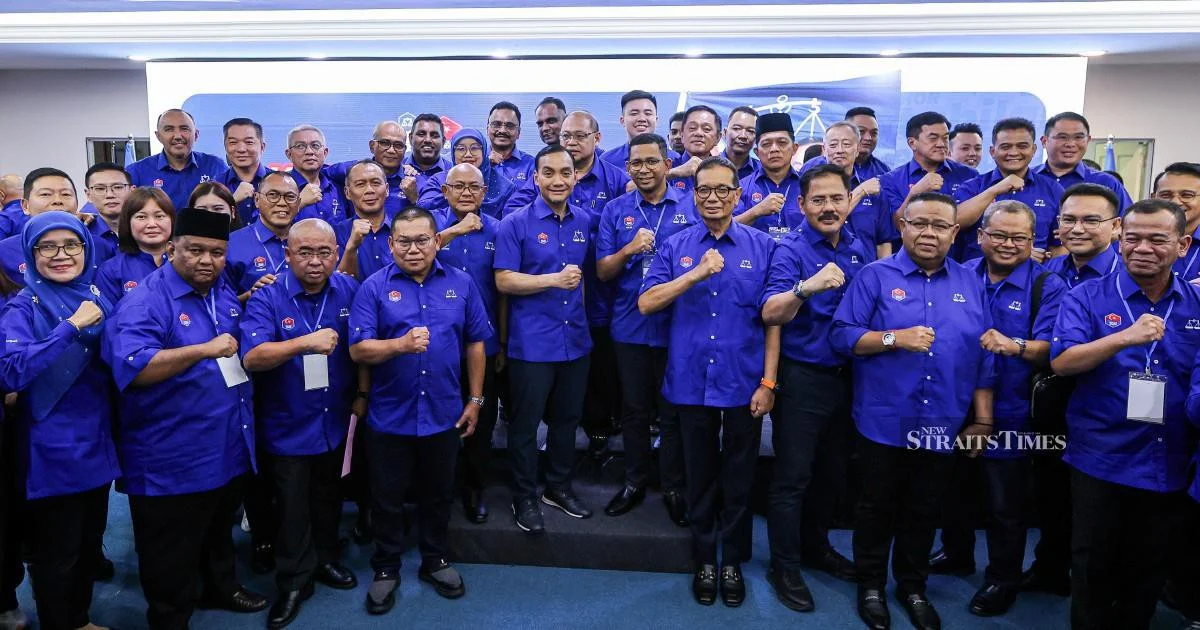
Fresh candidates representing Barisan Nasional's component parties in Johor are preparing for an intensive push to secure victory in the state election scheduled for July 11, marking a significant generational shift within the coalition's electoral machinery in Malaysia's southern-most peninsula state.
The appearance of new faces within Barisan Nasional's roster reflects an ongoing transformation within the coalition, which has faced mounting pressure in recent years to revitalise its political appeal among voters across diverse demographic segments. In Johor, this renewal effort takes on particular significance given the state's pivotal role in national politics and its position as a traditional stronghold for the BN alliance.
The incoming candidates bring varied backgrounds and professional expertise to their campaigns, signalling an attempt by the coalition to broaden its appeal beyond traditional support bases. By elevating newcomers, BN component parties aim to present themselves as forward-thinking organisations capable of connecting with younger voters while maintaining continuity with established political networks that have sustained the coalition's dominance across several election cycles.
Johor's political landscape has been substantially reshaped over the past decade, with electoral dynamics becoming increasingly competitive. The emergence of new contenders within Barisan Nasional should be understood within this context of heightened competition, where the coalition must demonstrate not only organisational strength but also the ability to attract and retain talented candidates willing to take electoral risks in their respective constituencies.
The commitment articulated by these new candidates underscores the coalition's confidence in its ground machinery and local support networks. Campaign strategies emphasise developmental achievements, economic management credentials, and service delivery records accumulated during previous terms in office. These candidates are expected to leverage such messaging while simultaneously positioning themselves as representatives of fresh perspectives and contemporary governance approaches that resonate with Johor voters across different age groups and socioeconomic backgrounds.
For Malaysian political observers, the rise of new blood within Barisan Nasional carries broader implications about coalition dynamics. As component parties select candidates, internal negotiations often reflect calculations about seat distribution, ethnic representation, and demographic considerations that balance competing interests within the alliance structure. The Johor election becomes a testing ground for whether this integration of new faces can translate into electoral performance.
The timing of the July 11 election occurs amid a complex national political environment characterised by ongoing parliamentary dynamics and shifting coalitional arrangements at federal level. State elections in Malaysia frequently serve as referendums on federal government performance, making the Johor contest potentially significant beyond the state's boundaries. Strong or disappointing results could influence perceptions about Barisan Nasional's electoral viability heading into future national contests.
Campaign activities in the coming weeks will likely showcase these new candidates extensively, with both Barisan Nasional leadership and component party officials providing platforms to highlight their credentials and policy positions. Media engagement, grassroots mobilisation, and digital campaign strategies will all feature prominently as parties seek to establish these newcomers within their respective constituencies and build name recognition among voters who may be unfamiliar with their records.
The coalition's emphasis on these fresh candidates also reflects recognition that electoral success depends increasingly on multi-generational appeal. While established personalities and senior leaders retain organisational roles, the visible prominence of newer representatives helps communicate that Barisan Nasional is not merely resting on historical achievements but actively preparing for continued political relevance in a transforming electorate.
For Southeast Asian political analysts tracking Malaysian developments, the Johor election outcomes will offer useful indicators about coalition resilience, voter sentiment, and the effectiveness of candidate selection strategies in maintaining electoral competitiveness. The performance of these new faces will provide evidence about whether introducing fresh political voices can restore flagging support levels or whether deeper structural challenges require more fundamental reorientation of coalition politics.
The determination expressed by incoming candidates must now translate into actual campaign momentum and voter engagement across Johor's constituencies. In the coming weeks, voters will gain clearer impressions of these new political voices and assess whether they present compelling arguments for continued coalition governance or whether alternative political forces offer more persuasive visions for the state's future direction during this critical electoral juncture.

