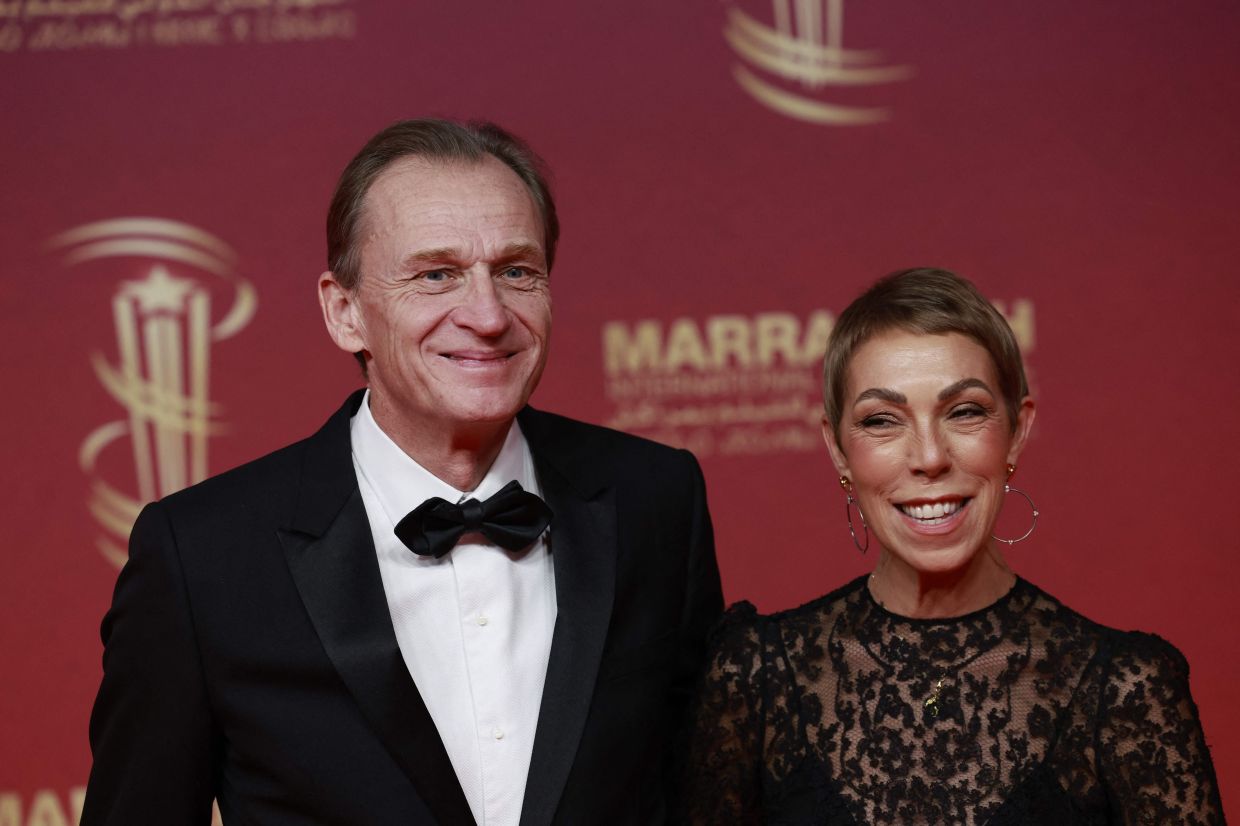
Two prominent figures in French culture and fashion died in a traffic collision in western France on Monday afternoon, authorities confirmed Tuesday. Nicolas Altmayer, a 61-year-old film producer renowned for his work in cinema, and Mathilde Favier, 57, who served as head of public relations for the storied luxury brand Dior, perished when their vehicle struck an oncoming truck while attempting to overtake another car. The incident occurred in the Deux-Sevres department, with Nicolas Leclainche, deputy public prosecutor in Niort, providing details of the tragic circumstances to media outlets.
Altmayer's career spanned decades as a creative force in French filmmaking. Together with his brother Eric, he established and operated Mandarin & Compagnie, a production company that became known for bringing distinctive projects to French and international audiences. The brothers' contributions to cinema earned significant recognition within the industry. In 2017, they jointly received the Daniel Toscan du Plantier Prize, one of France's most prestigious awards for film producers, honouring their exceptional work over the previous year. This accolade, presented through France's national film academy equivalent, underscored their standing among the country's most accomplished creative professionals.
Favier's influence extended across the rarefied world of luxury fashion and brand management. Her role as public relations chief at Dior placed her at the helm of communications strategy for one of the world's most recognisable fashion houses. As part of the LVMH conglomerate empire, Dior represents a cornerstone of French luxury prestige, and Favier's position required navigating complex relationships with media, celebrities, and stakeholders globally. Her tenure in this demanding role reflected her ability to articulate and elevate the brand's narrative across multiple markets and cultural contexts.
The couple's deaths triggered an outpouring of tributes from across the entertainment industry, political establishment, and business world. Jean Dujardin, an Oscar-winning French actor who had collaborated with Altmayer on film projects, expressed his grief in public statements, reflecting on the personal warmth and mutual affection the couple shared. Dujardin's comments highlighted not only Altmayer's professional achievements but also the genuine human connections he cultivated within the industry, revealing a figure respected both for his creative vision and his character.
France's Culture Minister Catherine Pegard issued a formal tribute that encapsulated Altmayer's distinctive approach to filmmaking. She characterised him as a producer possessed of remarkable creative instincts, capable of synthesising seemingly opposing forces within cinema—the accessible appeal of commercial comedy alongside the artistic ambitions of auteur filmmaking. This dual capacity represented a rare skill in an industry often divided between popular entertainment and critical prestige. Pegard's statement positioned Altmayer within a broader narrative of French creative excellence, recognising how his work contributed to the nation's cultural standing internationally.
In her statement, the Culture Minister extended recognition to Favier as well, framing her professional trajectory as emblematic of French excellence in a different sphere. She represented the sophistication and influence wielded by France in the global luxury sector, a domain where French taste and design principles continue to command premium status. Pegard's remarks suggested that Favier embodied not merely commercial success but a form of cultural diplomacy, projecting French values and aesthetic standards into markets worldwide through her stewardship of Dior's public image.
Bernard Arnault, chief executive of LVMH—the French luxury conglomerate that owns Dior among its extensive portfolio of prestigious brands—issued his own remembrance through Dior's official Instagram account. Arnault emphasised Favier's decades-long commitment to advancing the brand's interests and vision. He highlighted the personal qualities she brought to her professional responsibilities: her genuine passion for fashion and luxury, the energy with which she approached her work, and the talent she deployed in service of Dior's continued prominence. His statement reflected how thoroughly Favier had integrated herself into the brand's identity and operations.
The deaths underscore the sometimes precarious nature of life even for those at the pinnacle of their fields. Both Altmayer and Favier had achieved the kind of professional success that places individuals at the centre of influential spheres—Altmayer shaping cultural narratives through film, Favier curating the image of an institution that influences global fashion trends. Their sudden loss reverberated through networks spanning France's entertainment, fashion, and business communities, each sector recognising the particular talents and dedication these individuals had contributed.
For Malaysian and Southeast Asian observers, the incident illuminates the interconnected nature of global cultural and commercial industries. French film production and luxury fashion houses maintain significant influence in Asian markets, and figures like Altmayer and Favier represent the human architecture behind institutions and creative works that Asian audiences encounter regularly. Their deaths remind us that the cultural products and brand experiences we consume are ultimately shaped by individuals whose contributions extend far beyond public visibility, working across continents and markets to maintain standards of excellence and prestige.

