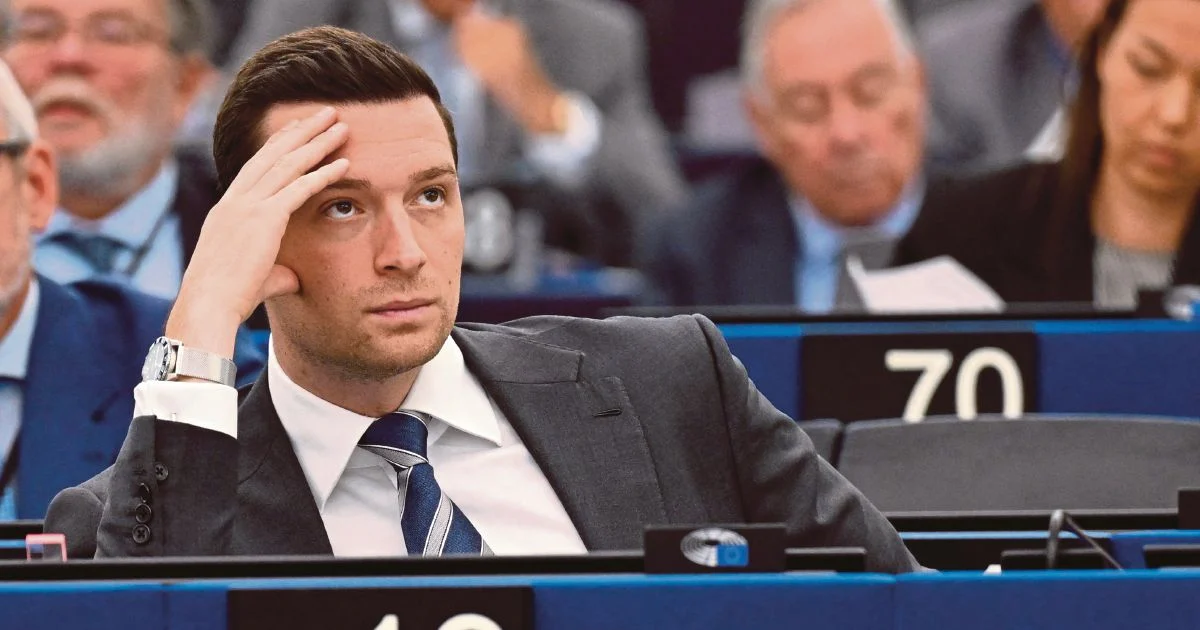
A French anti-corruption watchdog initiated calls for an official investigation on Tuesday into allegations that Jordan Bardella, a prominent figure in France's far-right National Rally party and potential presidential contender, once occupied a fraudulent staff position within the European parliament. The claims, if substantiated, would represent a serious breach of public employment regulations and raise questions about administrative oversight across EU institutions, matters that could have reverberations for how European parliament operates and staffing accountability.
Bardella's party vigorously disputes the accusations, characterising them as politically motivated attacks intended to undermine the politician ahead of potential future electoral contests. The denial reflects the contentious nature of French politics, where allegations against prominent figures from the National Rally frequently become flashpoints for broader political disputes. The party's response strategy emphasises what it views as unfounded claims designed to damage Bardella's credibility rather than engage substantively with the specific allegations.
The watchdog's decision to pursue the investigation signals growing institutional concern about whether employment rules governing European parliament positions have been properly upheld. European parliament, the directly elected legislative body of the European Union, employs thousands of assistants across its various institutions and member states. These positions carry employment contracts and associated budgets allocated from the EU budget, meaning any irregularities represent not merely administrative matters but potential misappropriation of taxpayer funds across EU member states, including France.
Bardella's prominence in French politics stems from his position within the National Rally, a party that has significantly reshaped French political discourse over recent years. His potential emergence as a presidential candidate would make him among the most consequential political figures of the coming years. Any credible findings of employment fraud could substantially weaken his political position and affect the party's broader electoral prospects.
The investigation's scope will likely encompass determining whether documentation for the assistant position was falsified, whether any duties were actually performed, and whether compensation was received for work not completed. Such matters would constitute clear violations of employment law and potentially constitute fraud against European institutions. Investigators will need to examine records maintained by European parliament and cross-reference them with any submitted timesheets, project deliverables, or other documentation that would typically evidence genuine employment.
French politics has increasingly become marked by institutional scrutiny of far-right figures, with multiple investigations into various officials from Bardella's party occurring over recent years. This pattern reflects concerns about compliance with employment and financial regulations, though critics argue the intensity of scrutiny directed toward the National Rally exceeds that directed at other political movements. The current inquiry fits within this broader context of heightened investigation into the party's operations.
For Southeast Asian observers, this situation illustrates how even established Western democracies grapple with institutional integrity concerns regarding political figures. European democracies, often cited as models for institutional transparency and accountability, nonetheless encounter serious challenges when investigating prominent political actors. The difficulty authorities face in scrutinising sitting or influential politicians reflects structural challenges that transcend national borders, offering insights relevant to how developing democracies in the region address similar accountability questions.
The investigation timing matters politically, potentially influencing whether Bardella can establish himself as a credible presidential candidate. French voters will weigh any investigation outcomes against competing policy positions and leadership qualities when making electoral decisions. The inquiry's findings could significantly shape the political landscape for years to come, either validating the corruption allegations or supporting the party's contention that claims represent baseless attacks.
European parliament itself faces institutional questions about how such alleged irregularities could potentially occur without detection for extended periods. The parliament has substantial compliance mechanisms supposedly designed to prevent fraudulent employment arrangements. If an investigation ultimately substantiates the allegations, it would suggest those safeguards require strengthening. Parliament leadership has indicated willingness to cooperate fully with any investigation, demonstrating institutional commitment to accountability despite the involvement of a high-profile political figure.
The broader implications extend to EU institutional integrity and public confidence in how European parliament manages its substantial budget and personnel matters. Citizens across member states, including France, fund European institutions and expect those resources to be deployed legitimately and transparently. Credible investigations into potential fraud, even when involving politically controversial figures, serve important accountability functions that strengthen rather than undermine democratic institutions.
Bardella and his party face months ahead as the investigation unfolds, with numerous procedural steps likely occurring before any conclusions emerge. The case demonstrates how institutional accountability mechanisms, while sometimes slow and contested, continue functioning in European democracies when confronted with serious allegations. Whether the investigation ultimately substantiates or refutes the claims, the process itself reflects institutional commitments to rule-of-law principles that distinguish established democracies, even as they confront significant challenges regarding political integrity and public trust.

