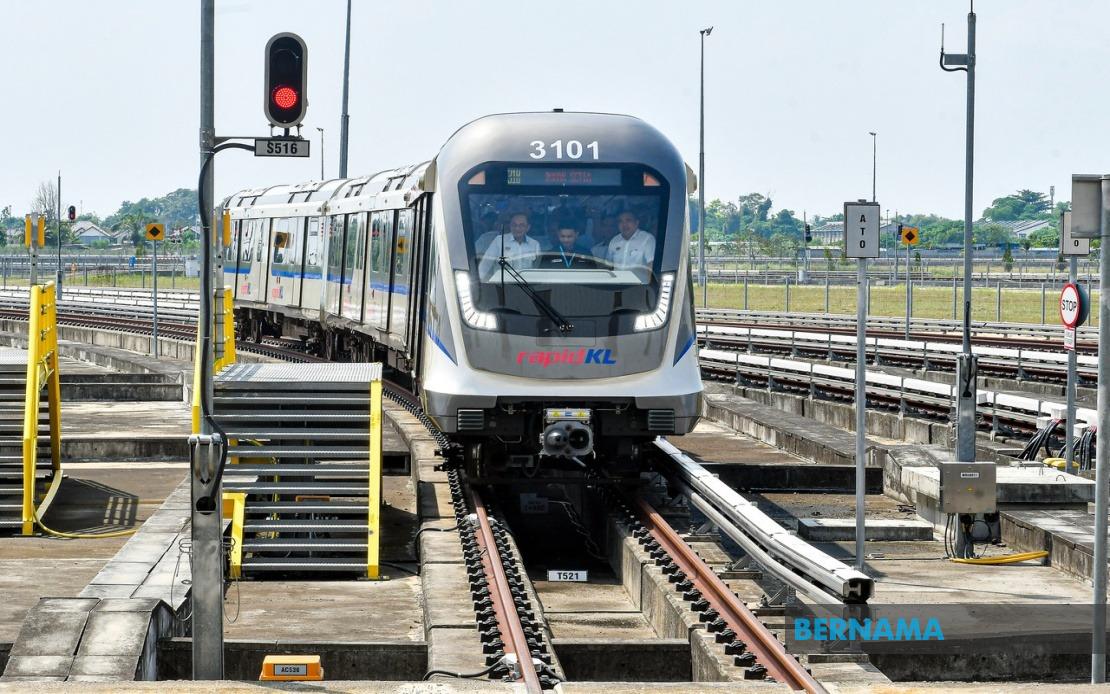
Prime Minister Datuk Seri Anwar Ibrahim has announced a one-month free fare promotion for the newly operational LRT3 Shah Alam Line, commencing June 29 and extending through July 31. The initiative encompasses all passengers utilising the service as well as Prasarana Malaysia Berhad-operated feeder bus connections serving the line. This move reflects a strategic effort to encourage public adoption of the mass transit corridor and establish it as a viable alternative to private transportation in the Klang Valley region.
The response from potential users has been considerably positive, particularly among student populations who shoulder significant daily transport expenses. For tertiary education commuters navigating between residential areas and campus locations, the elimination of fares during this trial period represents a meaningful reduction in operational costs. The timing proves especially advantageous for students commencing mid-year academic schedules or adjusting to new semester transportation patterns.
Arissa Ahmad Khairul, a 22-year-old journalism student at Universiti Teknologi MARA, exemplifies the demographic most enthusiastically embracing the initiative. Previously, she relied upon either e-hailing ride services or financial support from family members to bridge the distance between Kepong and her Shah Alam campus location. The LRT3 Shah Alam Line now provides a third option, specifically routing through Bandar Utama to facilitate her journey. Beyond immediate cost savings, she emphasises that the modern train facilities and time efficiencies create a compelling case for sustained patronage once the promotional period concludes.
Media industry worker Yamin Ahmad, aged 25, characterises the free fare scheme as forward-thinking transport policy that removes financial barriers to trial adoption. Her perspective highlights a secondary but equally important dimension of the promotion: enabling the general public to conduct personal assessments of the new line's operational quality and convenience without monetary commitment. This experiential approach allows potential long-term commuters to evaluate whether the service genuinely meets their transportation requirements and preferences before they make financial commitments to regular usage.
The comparative advantage of public transit over private alternatives becomes especially pronounced when examined through the lens of cost and time optimisation. Yamin notes that the free period offers commuters tangible evidence of the economic benefits associated with transferring from personal vehicles to organised mass transit systems. Fuel expenses, vehicle maintenance, parking fees, and time spent navigating congested roadways represent substantial ongoing burdens for private vehicle users throughout the Klang Valley. The LRT3 Shah Alam Line presents a comprehensive alternative that addresses multiple pain points simultaneously.
The student population stands to gain disproportionately from this infrastructure development and promotional strategy. Universiti Teknologi MARA alone enrolls approximately 42,000 students, of whom only roughly 13,500 reside within institutional residential colleges. The remaining cohort, numbering approximately 28,500, navigates commuting arrangements independently from dispersed residential locations throughout Kuala Lumpur and Subang Jaya. Mohamad Adib Hazim Mohamad Razali, president of the UiTM Students' Representative Council, emphasises that the new station infrastructure fundamentally transforms commuting accessibility for this substantial student contingent.
The establishment of dedicated UiTM stations along the Shah Alam Line represents targeted urban planning that recognises educational institutions as major mobility demand generators. Students living in Kuala Lumpur proper and Subang Jaya areas previously faced limited public transportation options to Shah Alam, compelling reliance on expensive e-hailing services or private vehicle usage. This transportation deficit created financial obstacles and time burdens that potentially affected academic performance and quality of life. The new corridor directly addresses this infrastructure gap.
Beyond the immediate student constituency, the free fare promotion carries broader implications for Southeast Asian public transport adoption patterns. Malaysia has long struggled with relatively low mass transit usage compared to peer markets in Singapore, Thailand, and Indonesia. Cultural preferences favouring private vehicle ownership, combined with sometimes fragmented and inconvenient public transport networks, have perpetuated this pattern. Strategic promotional initiatives that lower psychological and financial barriers to trial adoption may shift commuter behaviour patterns more permanently, particularly if service quality justifies continued usage after promotional periods conclude.
The inclusion of feeder bus services within the free fare programme further enhances the comprehensive nature of this initiative. Last-mile connectivity problems frequently undermine mass transit adoption in sprawling metropolitan areas. By eliminating fares for buses feeding into the LRT3 Shah Alam Line, authorities enable seamless journey chains that begin from peripheral residential areas and extend to major employment and educational centres. This integrated approach acknowledges that successful public transport systems require holistic network design rather than isolated line improvements.
Economic implications for household budgets throughout affected commuter corridors warrant consideration. Substantial portions of lower and middle-income household expenditure allocate to transport costs, consuming resources that might otherwise support education, healthcare, or savings objectives. For student populations in particular, transport cost reductions directly increase financial capacity to invest in academic materials, tutoring services, or future education advancement. The multiplier effects of improved public transit accessibility extend well beyond simple commute convenience into broader socioeconomic mobility considerations.
The success of this month-long free fare initiative will likely influence future transit policy decisions across Malaysia's major metropolitan regions. Quantifiable data regarding ridership volumes, demographic utilisation patterns, and customer satisfaction metrics gathered during this period will provide empirical foundations for subsequent fare structure decisions and service expansion planning. Transport planners and policymakers will closely monitor whether short-term subsidised trial periods effectively establish lasting commuter behaviour modifications or whether usage patterns revert to previous patterns once fares resume.
Looking forward, the Shah Alam Line represents part of broader infrastructure investments intended to rebalance transportation options within the Klang Valley. Complementary developments including the proposed LRT extensions and MRT expansions form an interconnected vision for metropolitan mobility. Individual promotional initiatives like month-long free fares constitute tactical components within strategic long-term planning frameworks. Whether these components cohesively generate sustained modal shift from private vehicles toward public transit systems remains an evolving question with significant implications for urban sustainability, air quality, and regional economic competitiveness.

