A major milestone in Europe's fight against Ebola has been reached with the full recovery and discharge of France's first confirmed case of the disease, as announced by Health Minister Stéphanie Rist. The successful treatment underscores the critical importance of early detection, swift isolation procedures, and access to advanced medical care in containing what remains one of the world's most lethal infectious diseases. The patient, a medical professional engaged in humanitarian work across Africa, represents not only a personal victory against a life-threatening illness but also a demonstration of European healthcare systems' capacity to manage emerging infectious disease threats effectively.
The healthcare worker arrived in France on June 23 after returning from the Democratic Republic of the Congo, where he had been involved in humanitarian medical operations. Upon arrival, he was immediately subjected to rigorous medical protocols, including close observation for symptom development and regular clinical monitoring. This rapid identification and systematic surveillance approach proved crucial in preventing potential community transmission and managing the case before complications could escalate. The swift response from French health authorities highlights how proactive border health screening and patient tracking systems remain essential tools in disease control, particularly given the global interconnectedness that allows infectious diseases to traverse continents within days.
Thoughout his hospitalization, the patient did not experience the severe manifestations that often characterize Ebola infections in more vulnerable populations. This fortunate clinical trajectory, combined with immediate access to sophisticated medical interventions and supportive care, allowed physicians to manage his condition without the progression to haemorrhagic fever that makes Ebola so devastating. His relatively mild presentation may reflect various factors including viral load exposure, individual immune response variations, and the timeliness of medical intervention. The ability to discharge him after receiving appropriate treatment demonstrates that even Ebola, with its fearsome reputation, can be successfully managed when detected early and treated in well-equipped medical facilities.
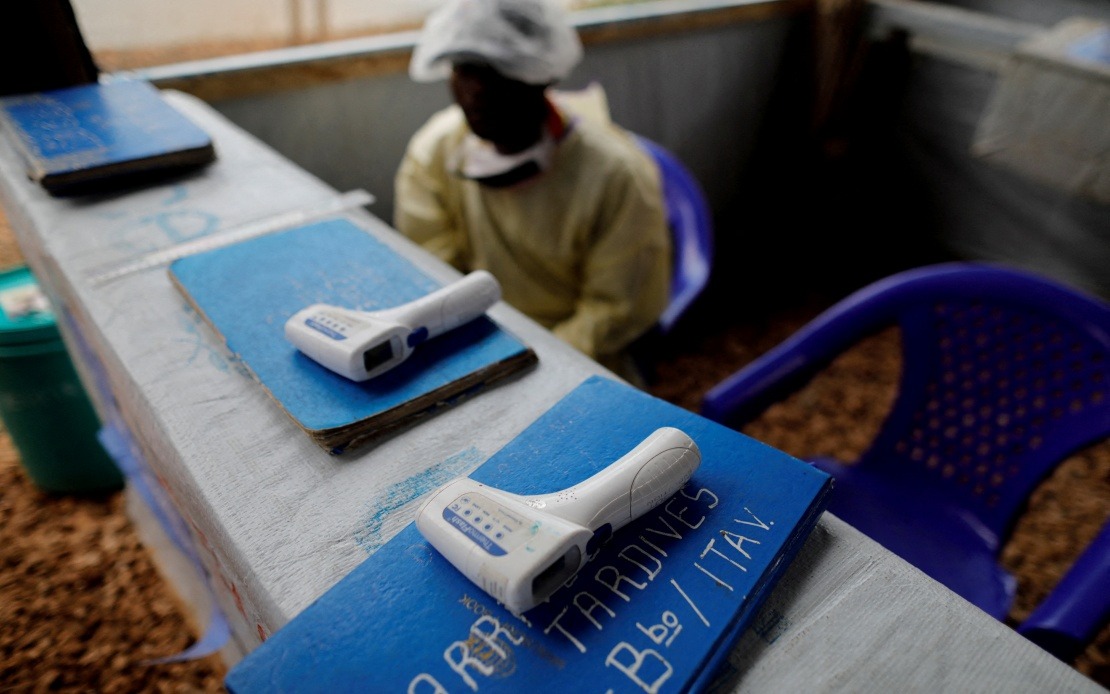
The broader context of this recovery cannot be divorced from the catastrophic situation unfolding in the Democratic Republic of the Congo, where a major Ebola outbreak has been ravaging communities since mid-May. According to the most recent governmental assessments, the outbreak has claimed 438 lives among 1,502 confirmed cases, representing a mortality rate of approximately 29 percent. These figures, while preliminary and subject to revision as investigations continue, underscore the severity of the central African public health crisis that the French patient had witnessed firsthand during his humanitarian deployment. The Democratic Republic of the Congo's struggle with Ebola reflects systemic challenges including limited healthcare infrastructure, difficulty accessing remote affected areas, and ongoing insecurity that complicates outbreak response efforts.
For Southeast Asian nations and Malaysia specifically, this European case carries important implications regarding disease surveillance and preparedness. The incident demonstrates that Ebola, though primarily confined to certain regions of Africa, remains a genuine international health security concern capable of reaching developed nations with advanced healthcare systems. Malaysia's position as a global hub with significant air traffic to multiple continents means that imported cases of emerging infectious diseases represent a persistent possibility. The French experience offers valuable lessons in rapid response protocols, the importance of maintaining heightened surveillance among returning travellers from affected regions, and the critical need for continuous training of healthcare workers in infectious disease management.
The recovery also highlights the disparity in outcomes between patients treated in resource-rich versus resource-constrained settings. While this French patient benefited from immediate hospitalization in a modern facility with access to supportive therapies and expert care, the vast majority of Ebola victims in the Democratic Republic of the Congo lack such advantages. Community transmission in areas with limited healthcare infrastructure, combined with cultural practices around patient care and burial ceremonies, creates conditions where the virus spreads rapidly and mortality remains alarmingly high. This inequality in health outcomes underscores the importance of international cooperation and resource allocation to strengthen African healthcare systems.
France's successful management of this case reflects decades of experience with infectious disease protocols developed through previous outbreaks and international health emergencies. European nations have invested substantially in biosafety infrastructure, personnel training, and coordinated response mechanisms that enable rapid containment of imported cases. However, the real victory in this situation extends beyond France's borders to encompass the successful prevention of secondary transmission within French communities, which would have posed far greater challenges. The absence of further cases stemming from this index patient suggests that isolation protocols, contact tracing, and public health interventions functioned as intended.
For Malaysian health authorities and regional partners, several practical lessons emerge from this case. First, maintaining vigilance regarding individuals returning from or transiting through Ebola-affected regions remains essential, particularly among healthcare workers and humanitarian personnel. Second, pre-existing relationships with international health organizations and information-sharing networks prove invaluable for rapid identification and confirmation of suspected cases. Third, regular training exercises and maintenance of isolation facilities and personal protective equipment stocks must remain priorities rather than ad-hoc responses triggered only when threats materialize. The French case demonstrates that preparedness investments pay dividends when disease threats inevitably arrive at international borders.
Looking forward, this recovery in France contrasts sharply with the ongoing crisis in the Democratic Republic of the Congo, where healthcare workers themselves have become infection vectors and targets for violence. The international community's response to the central African outbreak will likely determine whether the disease is eventually controlled or continues spreading. For Malaysia and other Southeast Asian nations, supporting global health security through contributions to international disease surveillance networks, technical expertise sharing, and cooperation with organizations like the World Health Organization remains crucial. The principle of global health security recognizes that infectious disease threats anywhere eventually threaten public health everywhere, making international solidarity in outbreak response not merely altruistic but fundamentally self-interested.

