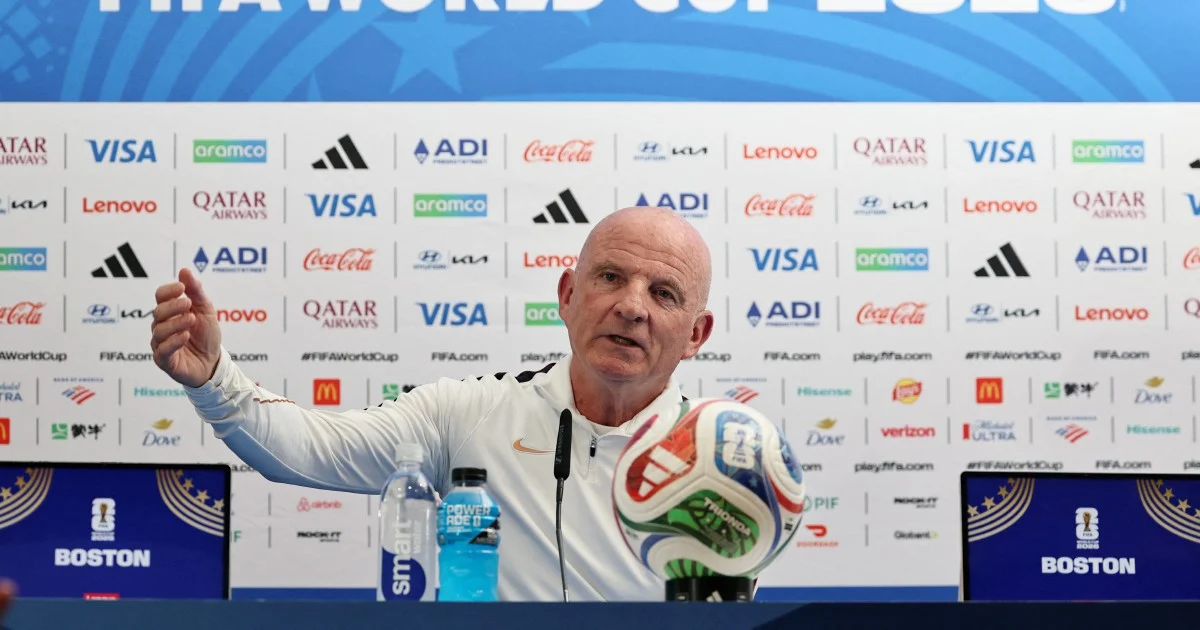
France will look to secure first place in their World Cup Group I when they face Norway on Friday, with logistics and travel efficiency forming a crucial motivation beyond purely sporting considerations. Assistant coach Guy Stephan fielded questions from journalists on Thursday in place of manager Didier Deschamps, who has travelled back to France for his mother's funeral. The timing of this fixture takes on additional significance given the organisational pressures facing the defending champions as they navigate the competition's group stage in North America.
Both teams arrive at their decisive group match in commanding positions, having accumulated maximum points from their opening two contests. France's superior goal difference means they require only a stalemate at the home stadium of the New England Patriots near Boston to clinch top spot regardless of Norway's result. This mathematical advantage provides flexibility in their approach, though Stephan made clear the team's preference to finish first rather than settle for a second-place finish that would present considerable complications downstream.
The geographical reality of a second-place finish looms large in the tactical calculus. Should France slip to second in the group, they would face significantly extended travel across the southern United States, with subsequent matches potentially requiring journeys to cities including Dallas, Miami, and Atlanta. These logistical demands create not only scheduling challenges but also physical fatigue that could accumulate across the tournament's later stages. The concentration of venues in the northeastern region provides an undeniable advantage for whichever team secures group leadership.
Temperature fluctuations compound the travel concern in Stephan's assessment. The climatic variations between the northeast and the deeper southern states introduce conditioning variables that complicate preparation and performance optimisation. For a squad operating at elite international level, such environmental consistency enables more predictable training protocols and better physical management. This dimension extends beyond mere convenience and enters the realm of genuine competitive advantage during the tournament's knockout phase.
France enters the matchday with a selection challenge that may impact their attacking potency. Striker Marcus Thuram is managing a calf injury that leaves his availability status uncertain, while central defender William Saliba has been ruled out entirely. These absences, though not crippling given the depth of the French squad, nonetheless represent complications requiring tactical adjustments. Stephan acknowledged the injury situation while maintaining confidence in alternative options available to the team.
Deschamps' absence, while understandable given family circumstances, creates an unusual dynamic for such a significant fixture. Stephan emphasised remaining in regular contact with the World Cup-winning manager through telephone communication, though he anticipated minimal conversation on Friday itself, the day of the funeral service. This separation of responsibilities, with Stephan managing team affairs in Boston while Deschamps attends to personal matters in France, reflects the institutional maturity of the French football administration and the clear delegation of authority during unforeseen circumstances.
Stephan's public messaging focused on the competitive achievement of accumulating six points from two matches, a feat that does not materialise with regularity at this level of competition. The mathematical security of qualification provides psychological comfort, yet the team remains collectively committed to maximising their group performance. This mindset reflects the championship mentality embedded within the squad, where complacency remains antithetical to the culture Deschamps has cultivated throughout his tenure.
Norway represents a formidable opponent in their own right, having matched France's record of two victories from two matches. The Scandinavian nation has demonstrated attacking cohesion and defensive solidity throughout their group phase campaign, positioning themselves as dangerous opponents regardless of their final standing. The competitive nature of this fixture should not be obscured by the qualifying mathematics already settled in France's favour.
For Malaysian observers and Southeast Asian football followers, this fixture illustrates the complex variables extending beyond pure sporting competition at elite tournaments. The logistical considerations affecting tournament progression highlight how infrastructure and geography intersect with athletic performance at the global level. The French approach—viewing group placement as instrumental to broader tournament navigation—exemplifies the strategic thinking that distinguishes sustained success in protracted competitions requiring multiple matches across varied venues.
The context of Deschamps' absence through bereavement also reinforces the human dimension underlying professional football operations. Stephan's calm assumption of matchday responsibilities, with established communication protocols in place, suggests institutional preparedness for unexpected circumstances. Such resilience in management structures often proves pivotal when unexpected challenges arise during tournament competition, offering stability and continuity regardless of external pressures.
France's pursuit of group supremacy ultimately reflects both immediate pragmatism and longer-term tournament strategy. By optimising their geographical positioning for subsequent rounds, the defending champions position themselves advantageously for the knockout stages. This layered approach to competition—attending simultaneously to current fixtures and future implications—separates elite-level tournament management from matches played in isolation.

