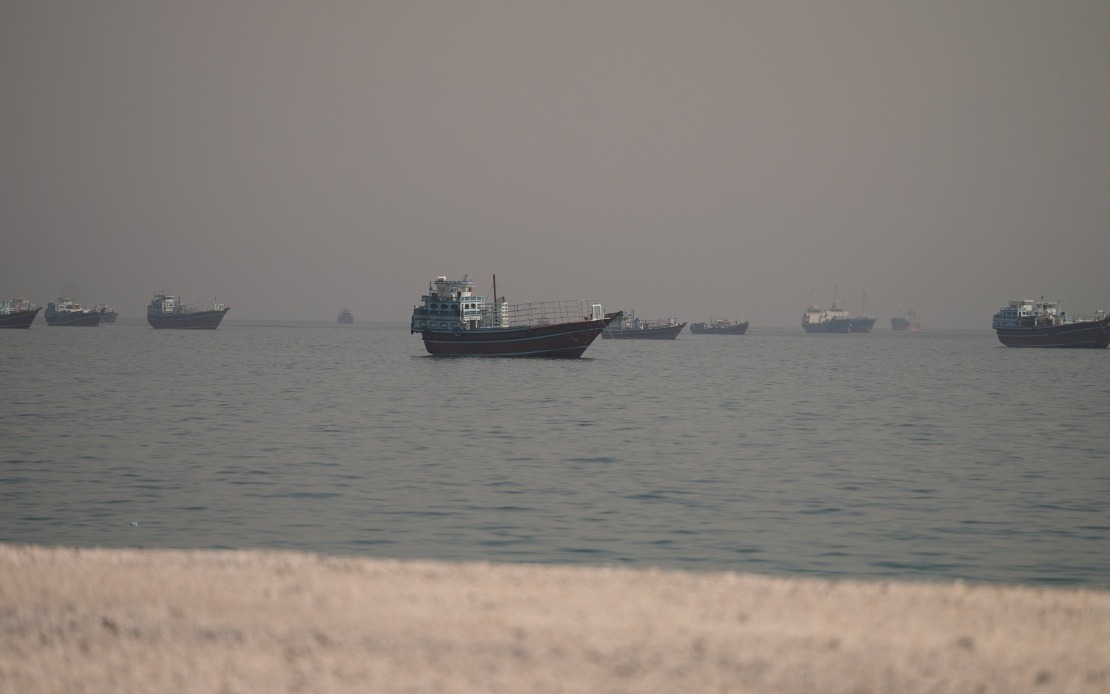
France has identified Syria as a potential alternative conduit for oil deliveries in response to escalating geopolitical risks threatening the Strait of Hormuz, one of the world's most critical maritime chokepoints. Foreign Minister Jean-Noel Barrot made the assessment during a Thursday interview, emphasizing that diversifying energy corridors has become imperative as tensions between the United States and Iran intensify around the strategically vital waterway. The declaration underscores growing European concerns about the fragility of current energy supply chains and the need for resilient alternatives that can withstand regional conflicts.
Barrot's remarks reflect a calculated shift in French strategic thinking regarding Middle Eastern energy security. The Strait of Hormuz, through which approximately one-third of globally traded seaborne oil transits daily, has become increasingly vulnerable to disruption. Recent military posturing and naval incidents in the region have amplified concerns among Western governments that any escalation could trigger supply shocks with devastating consequences for global markets and economies dependent on predictable energy flows. France's pivot toward exploring Syrian alternatives suggests Paris is preparing contingency arrangements should traditional routes become unreliable or inaccessible.
The timing of Barrot's comments gains additional significance given that his visit to Damascus accompanied President Emmanuel Macron was explicitly designed to signal France's commitment to Syria's political rehabilitation and economic reintegration. The delegation's visit underscores a broader Western reassessment of Syria's regional role following Bashar al-Assad's removal from power approximately eighteen months ago. By coupling energy security discussions with high-level diplomatic engagement, France is signalling that it views Syria not merely as a humanitarian concern but as a strategic asset in reshaping Middle Eastern geopolitical alignments.
Syria's potential emergence as a regional energy hub would represent a dramatic transformation for a nation devastated by more than a decade of civil conflict. The proposed role as an alternative oil route hinges on Syria's territorial integrity and political stability being restored under inclusive governance that commands regional legitimacy. Barrot's characterization of Syria as "reunifying and strengthening" reflects optimism that post-Assad Syria might attract international investment and become a functioning node within broader Middle Eastern infrastructure networks. However, this assessment requires sustained security improvements and institutional rebuilding on a considerable scale.
For Malaysia and Southeast Asia, this strategic reorientation carries tangible implications regarding energy security. The region's nations remain heavily dependent on Middle Eastern oil and gas supplies, with many relying on Hormuz transit routes for critical energy imports. Any disruption to these flows would directly impact fuel prices, industrial competitiveness, and economic growth across Southeast Asia. France's exploration of alternative routes, while primarily serving European interests, reflects a broader understanding that energy supply chain diversification is no longer optional but essential for all trading nations.
The French initiative also reveals European ambitions to increase political influence in Middle Eastern reconstruction efforts. By positioning itself as a willing partner in Syria's rehabilitation and offering to integrate the country into alternative energy networks, France seeks to establish itself as a credible regional stakeholder. This approach differs markedly from the military interventionism that characterized earlier Western engagement, instead emphasizing economic interdependence and institutional cooperation as tools for securing influence and stability.
Barrot's emphasis on expanding "cooperation across all fields" and strengthening "economic and trade ties" indicates that France envisions a comprehensive relationship extending well beyond energy matters. Such comprehensive engagement could encompass infrastructure development, technology transfer, and financial partnerships that would position French enterprises advantageously as Syria rebuilds. This commercial dimension complements the geopolitical calculus, creating mutual incentives for sustained French-Syrian collaboration.
The feasibility of Syria becoming a viable alternative oil corridor depends on several critical factors remaining uncertain. Physical infrastructure would require substantial investment and security guarantees. Transit agreements with neighbouring countries would need negotiation and implementation. Most importantly, Syria would require demonstrated political stability and international recognition sufficient to attract the insurance and financial institutions necessary for international commercial transactions. These prerequisites remain aspirational rather than achieved.
From a broader Middle Eastern perspective, France's overture toward post-Assad Syria reflects shifting great power calculations in the region. The move simultaneously demonstrates European interest in reducing American energy dominance in determining global oil flows and reflects recognition that Syria's geographic position makes it inherently valuable to any party seeking to reshape regional trade architectures. Russia and China will likely respond by advancing their own competing initiatives to ensure they retain influence over any Syrian-centred energy arrangements.
The declaration also carries implications for existing energy relationships and diplomatic alignments. Gulf states, traditionally aligned with Western energy security strategies, may perceive this Syrian initiative as diluting their historical role as primary regional energy suppliers to Europe. Such perceptions could influence their positioning on broader Middle Eastern security questions and their relationships with France and other Western powers. Managing these sensitivities while pursuing alternative routes represents a delicate diplomatic challenge.
For Malaysian policymakers and energy professionals, Barrot's remarks serve as a reminder that global energy architecture remains fundamentally shaped by geopolitical competition and great power maneuvering. Malaysia's own energy security strategies, whether emphasizing domestic production, diversified imports, or regional partnerships, must account for these shifting great power priorities. The Syrian proposal illustrates how quickly international energy calculations can be reoriented by political changes and security threats.
Looking forward, Syria's potential role as an alternative oil route will depend on whether the international community sustains commitment to its reconstruction and whether post-Assad governance can deliver sufficient stability to attract commercial confidence. France's early positioning suggests that whoever emerges as Syria's primary external economic partner will acquire considerable leverage over future regional energy flows and political alignments. This competition for influence over Syria's strategic resources and geographic advantages will likely intensify as the country continues its political transition.

