France has formally confirmed dates for its next presidential election, setting the first ballot for April 18, 2027, with a potential runoff on May 2, 2027, if no candidate achieves an outright majority on the opening round. The French government announced the decision during a Wednesday Cabinet meeting, establishing the timeline more than three years in advance of the actual contest. The timing, however, has immediately sparked controversy across the political spectrum, with opposition figures questioning whether the scheduling reflects governmental calculation rather than administrative necessity.
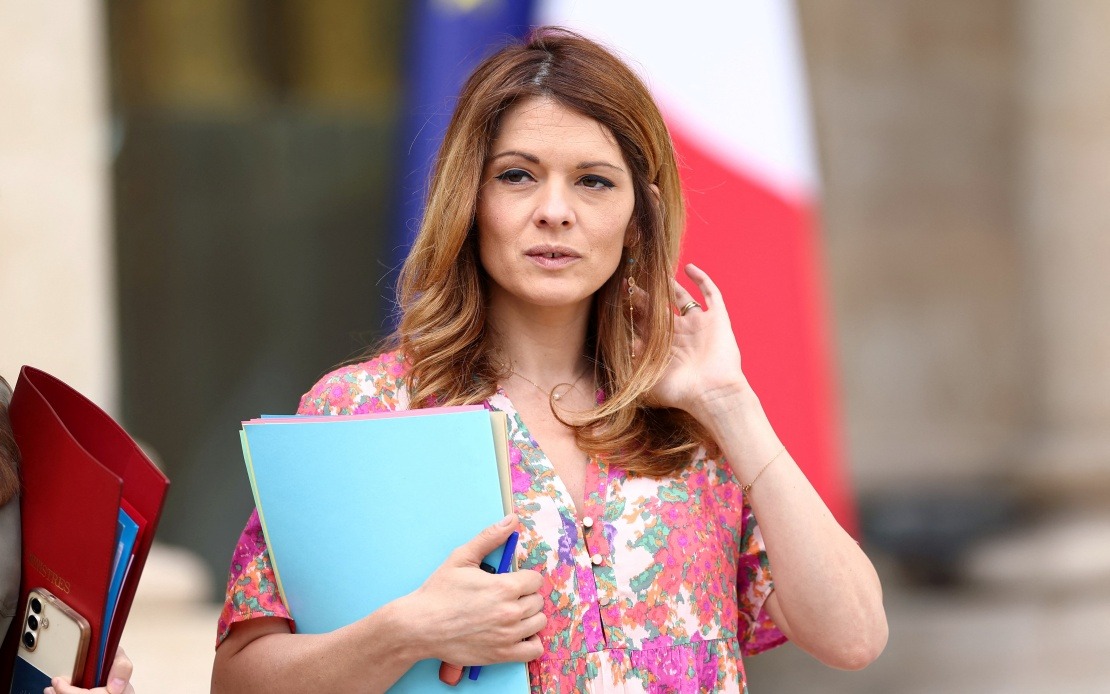
Government spokesperson Maud Bregeon defended the chosen dates as administratively sound and politically neutral, insisting that the decision emerged only after extensive consultation with representatives from across the political landscape. She emphasized that the election calendar adheres to constitutional requirements and follows established procedures. The spokesperson rejected suggestions that the government had engineered the dates to advantage any particular political faction, arguing instead that the schedule represents a pragmatic accommodation of multiple constraints and stakeholder preferences.
The most contentious aspect of the election schedule involves its relationship to May 1, International Workers' Day, a date historically marked by significant public demonstrations and labour movement activities across France. The runoff round falls on May 2, just one day after these traditional celebrations conclude. This proximity has drawn considerable criticism from opposition politicians, who argue that holding a decisive presidential ballot so close to May Day demonstrations creates potential complications for campaigning and voting logistics. Such timing could theoretically influence voter participation or create security challenges, though Bregeon suggested such concerns were overblown.
Bruno Retailleau, a prominent opposition figure, was among those questioning the government's characterization of the schedule as neutral. Retailleau argued that the calendar choice reflected deliberate political calculation rather than mere administrative convenience. His criticism points to a broader pattern in French electoral politics where the timing of votes can carry strategic implications for particular candidates or parties. The positioning of the runoff immediately after May 1 festivities potentially affects campaign momentum and public attention patterns during the final weeks before voters determine France's next president.
The government maintained that established electoral regulations will apply uniformly throughout the campaign period, regardless of the May 1 timing. Officials suggested that political organisations have sufficient experience managing campaign activities around major national dates to ensure that the proximity causes no substantive problems. Bregeon noted that French parties and candidates routinely navigate significant public events during electoral cycles without disruption or bias, implying that May 1 should present no exceptional difficulty for the 2027 presidential race.
The spokesperson acknowledged that no election calendar can satisfy every preference or resolve every potential tension, but argued that the selected dates balance competing requirements effectively. She particularly emphasized that candidates will receive adequate time during the official campaign period to present their programmes and visions to voters. The duration between the first and second rounds, though compressed for candidates seeking to reach voters between ballots, remains consistent with established French electoral practice and provides sufficient opportunity for substantive political debate.
The consultation process preceding the announcement involved discussions with political parties across the ideological spectrum, according to government statements. This broad engagement suggests that the government sought consensus rather than imposing a unilateral decision, though the resulting timeline nonetheless attracted rapid criticism from opposition quarters. The consultative approach reflects recognition that presidential election scheduling in France carries political weight and that perceived legitimacy of the dates matters to democratic acceptance of the electoral process.
The 2027 election occurs within a broader context of French political flux, following Emmanuel Macron's presidency and the evolving landscape of French left-wing, centrist, and right-wing movements. The three-year advance notice provides unusual certainty for political organisations to plan campaigns and prepare candidates. For regional observers in Southeast Asia, France's methodical electoral scheduling contrasts with the relative unpredictability sometimes characterizing politics in the broader region, where elections occasionally occur on shorter notice or face postponement due to political circumstances.
The government's insistence that the April-May timing reflects constitutional requirements and administrative efficiency attempts to depoliticize what many see as an inherently political question. Whether voters and opposition figures accept this framing will influence public perception of whether the 2027 election operates on a genuinely level playing field. The controversy also highlights how even ostensibly technical matters like election scheduling can become focal points for broader political disagreements about fairness, governmental intentions, and democratic process in established democracies.

