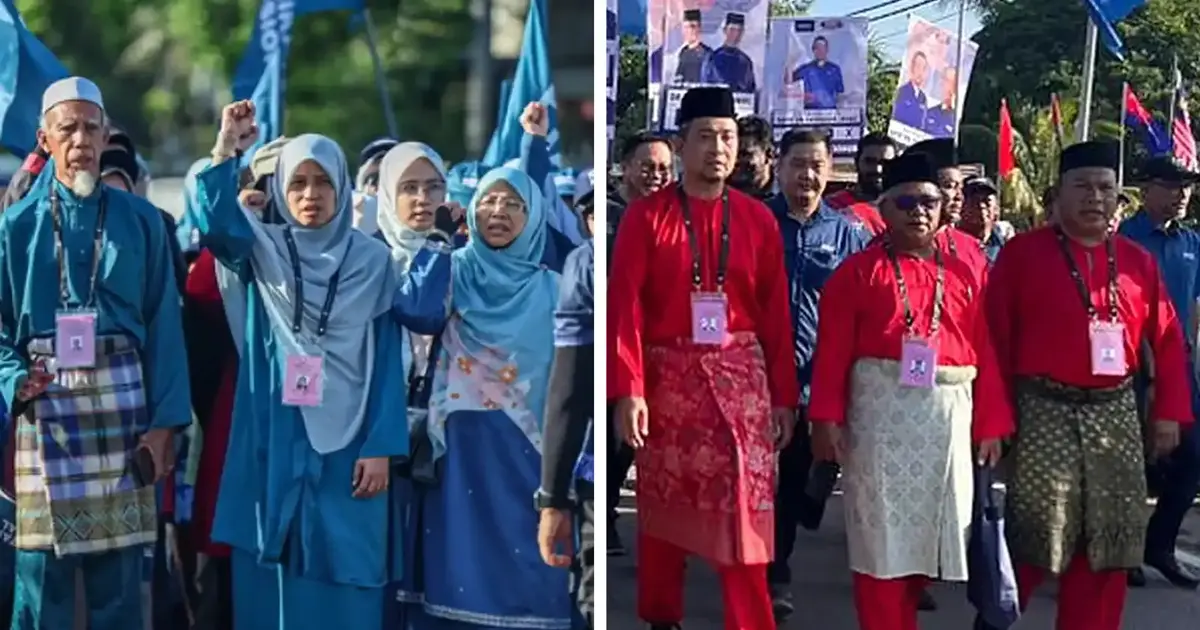
The deteriorating relationship between PAS and Bersatu within the Perikatan Nasional coalition poses a significant threat to the bloc's performance in the Johor state election, according to political observers who point to historical precedent showing that voter disenchantment typically accompanies coalition fragmentation. The two parties are bracing for a challenging campaign period if the internal tensions remain unresolved, with analysts suggesting that public confidence in the alliance's ability to govern effectively hinges on demonstrating cohesion and unified messaging to constituents across the state.
The fragmentation within Perikatan Nasional reflects deeper structural problems that extend beyond mere personality conflicts between party leaders. Ideological differences regarding Islamisation policies, wealth distribution mechanisms, and the pace of reforms have created fissures within the coalition that voters are increasingly likely to notice and act upon during electoral contests. The party faithful themselves appear divided on strategic direction, complicating efforts to project a consolidated front to the electorate.
Historical election results across Malaysia demonstrate that voters consistently punish coalitions perceived as disunited or internally conflicted. When major alliances fracture publicly, turnout typically declines among opposition supporters while swing voters gravitate toward alternatives they perceive as more stable. This pattern becomes particularly pronounced in state-level contests where local economic conditions and governance track records weigh heavily in voter calculations. Johor, as Malaysia's third-largest state economy, offers substantial stakes for all parties contesting the election.
The timing of this coalition strain proves especially problematic given Johor's strategic importance within Malaysia's broader political landscape. The state has traditionally served as a bellwether for national sentiment and a crucial revenue generator for whichever alliance controls the state apparatus. A weakened Perikatan Nasional performance in Johor could trigger ripple effects across other state legislatures, particularly in Terengganu and Kedah where the coalition maintains strong positions but face potential challenges if momentum shifts.
Voter surveys conducted in recent months reveal growing anxiety about political instability stemming from coalition disagreements. Many respondents express concern that divided attention between internal party disputes and governance responsibilities diminishes the quality of service delivery at the state level. This perception, whether empirically justified or not, influences voting behaviour significantly. In constituencies where voters feel abandoned or neglected, internal coalition problems become readily apparent through poor infrastructure maintenance, delayed development projects, or administrative inefficiency.
The PAS component within Perikatan Nasional has historically drawn support from rural and semi-urban constituencies emphasising religious conservatism and local Islamic governance issues. Bersatu, by contrast, built its voter base through an anti-establishment narrative emphasising economic management and anti-corruption credentials. These divergent voter coalitions mean that public disputes between the parties directly alienate segments of their respective support bases while confusing swing voters about the coalition's actual policy platform.
Analysts note that the upcoming Johor campaign requires sophisticated coordination across party structures, unified campaign scheduling, and consistent messaging on economic development, education, and healthcare provision. Coalition fragmentation undermines all three pillars by creating contradictory statements from senior figures, splitting campaign resources across competing organisational structures, and giving opposing coalitions multiple attack vectors to exploit. Opposition parties, particularly Pakatan Harapan, stand positioned to capitalise on any appearance of disorder within Perikatan Nasional's ranks.
The broader implications for Malaysian politics extend beyond Johor's boundaries. Coalition management has proven increasingly difficult across Malaysia's political spectrum, with both Perikatan Nasional and Pakatan Harapan experiencing internal strains in recent years. If Perikatan Nasional struggles in Johor despite strong historical performance, this signals that Malaysian voters may be shifting toward punishing coalition politics more severely, potentially accelerating a trend toward single-party dominance or more fluid political alignments.
For Perikatan Nasional to reverse these negative dynamics before the Johor election campaign intensifies, leadership across both PAS and Bersatu must articulate a compelling shared vision that transcends their disagreements while respecting their different voter constituencies. This requires difficult compromises on policy priorities and senior appointments, backed by visible commitment from party presidents and religious figures within PAS. Without such reconciliation efforts, voter confidence will continue eroding, potentially translating into reduced turnout among core supporters and unexpectedly strong opposition gains in constituencies previously considered safe.

