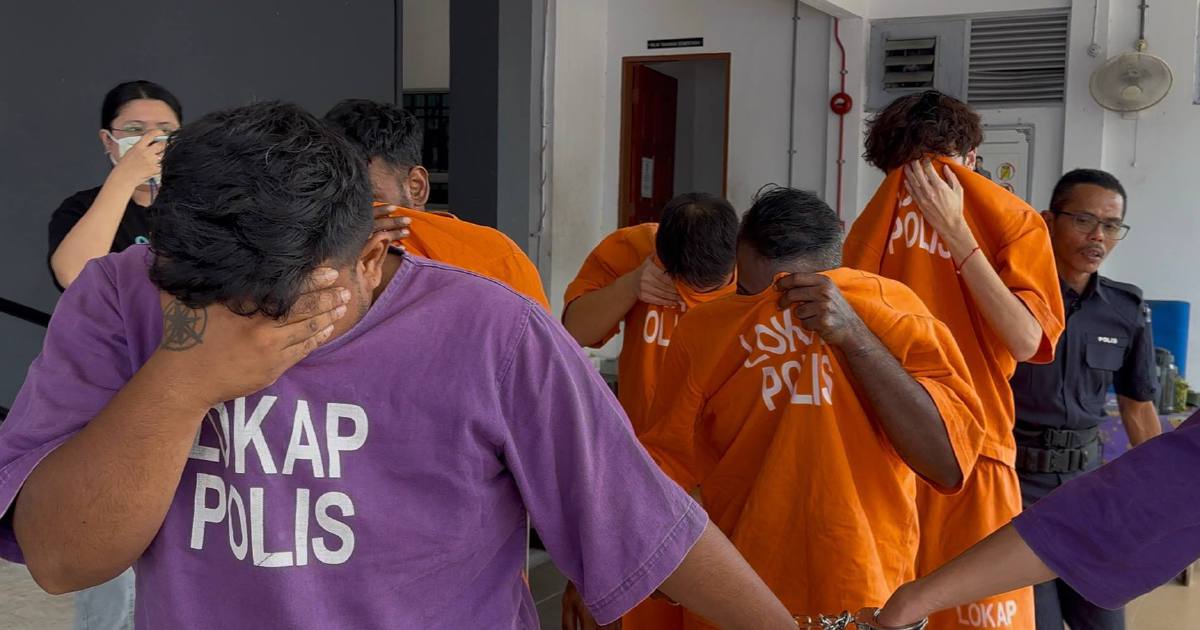
Four individuals currently held in remand custody are set to appear before the magistrate's court in Batu Pahat tomorrow, where they will face formal murder charges stemming from the death of a local businessman that occurred over the past month. The appearance represents a critical juncture in the case, as authorities move from the investigative and remand phase into formal prosecution proceedings within the judicial system.
The planned presentation of charges signals that police investigations have reached sufficient conclusions to present evidence before the court. In Malaysia's criminal justice framework, the decision to proceed with formal charges typically follows completion of critical investigative work, which often includes interviews with witnesses, collection of forensic evidence, and preliminary assessments by prosecutors. The transition from remand to charging stage indicates that authorities believe they have gathered adequate material to substantiate the allegations against the four accused individuals.
Cases involving the deaths of businesspeople often attract substantial public attention in Malaysian communities, particularly in smaller towns like Batu Pahat where commercial relationships frequently intersect with personal networks. The death of an established businessman reverberates beyond his immediate family and associates, often affecting employment in local businesses and raising questions about safety within commercial circles. Such incidents prompt broader discussions about crime prevention and the security of business operations in residential and commercial areas throughout Johor.
Magistrate's court proceedings in Malaysia serve as the entry point for serious criminal matters, with magistrates having authority to conduct preliminary examinations of evidence. During these sessions, the prosecution presents its case to establish whether sufficient grounds exist to proceed with trial in higher courts. For cases classified as murder—which carry potential capital punishment under Malaysian law—the magistrate's role involves careful scrutiny of the evidence presented by enforcement authorities.
The four accused individuals have remained in custody pending this stage of proceedings. The remand period allows investigators time to complete their inquiries while detainees are held in designated facilities. During remand, interrogations and evidence gathering continue, with periodic court appearances to extend or lift remand orders. The progression to formal charges suggests that investigators have concluded their core investigative work or have gathered information they consider sufficient for prosecution purposes.
The nature of the underlying incident—the death of a businessman—points to circumstances that may have involved commercial disputes, personal conflicts, or other serious grievances that allegedly escalated to fatal violence. Investigations into such cases typically examine financial relationships, business dealings, property matters, and interpersonal dynamics that may have created motives for serious criminal action. Establishing these elements remains crucial for prosecutorial success in a murder charge, which requires demonstration of both the act and the alleged perpetrator's mental state.
Batu Pahat, a significant commercial and administrative centre in Johor Bahru District, serves as home to numerous small and medium enterprises. The business community there comprises traders, manufacturers, and service providers who form the economic backbone of the town and surrounding areas. When incidents of serious violence affect business owners, they often generate anxiety within local entrepreneurial circles and may influence perceptions of personal security among commercial operators in the region.
The involvement of four individuals in a single murder incident suggests circumstances that may have involved group activity or coordination among multiple parties. Malaysian courts have extensive jurisprudence addressing the liability of multiple actors in serious crimes, including doctrines of common intention and joint liability. The prosecution's decision to charge all four individuals indicates a determination that each played a role warranting criminal responsibility, though the specific nature of each person's involvement may vary and may be distinguished during trial proceedings.
For the broader Malaysian legal and enforcement community, cases such as this reflect ongoing efforts to address serious crimes within society. Murder investigations require coordination between police divisions, forensic specialists, and prosecutorial authorities. The advancement to formal charging represents the culmination of these coordinated efforts and marks the transition to adversarial proceedings where evidence will be tested and scrutinised by defence representatives and judicial officers.
The court appearance tomorrow will establish the formal charges, explain the accused's legal rights, and potentially address questions of bail or continued detention pending trial. Malaysian magistrate's courts handle thousands of cases annually, from minor traffic infractions to serious felonies, and maintain stringent procedural requirements designed to protect the rights of the accused while ensuring that serious allegations receive appropriate judicial attention.
As the case proceeds through the court system, particular attention will focus on the evidence presentation and the strength of the prosecution's case. Trial courts ultimately bear responsibility for determining guilt or innocence based on evidence presented according to strict rules of admissibility and procedure. The path from remand through charging to trial typically extends over months, sometimes longer, requiring patience from all parties involved and the bereaved family seeking resolution and justice.

