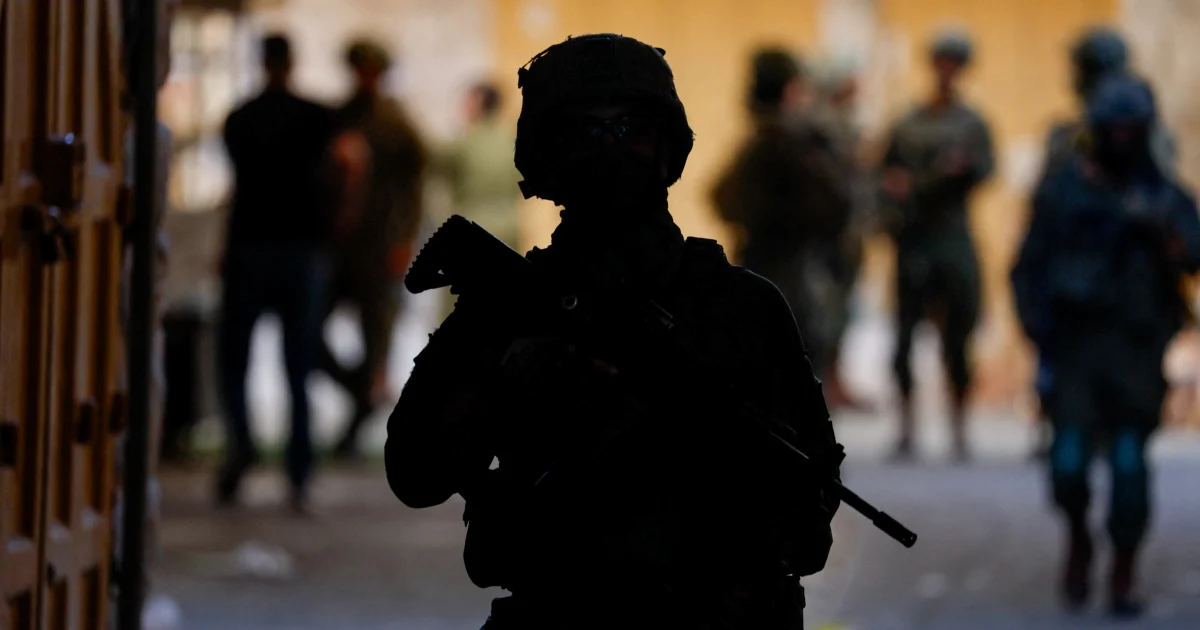
Israeli police have taken four individuals into custody following an alleged assault on a CNN news crew operating in the occupied West Bank, marking another flashpoint in tensions between foreign media and Israeli settlers in contested Palestinian territories. The incident, which unfolded on Saturday, centred on damage inflicted on a vehicle transporting the international news crew, an action that CNN characterized as a deliberate attack targeting its journalists and their work.
The arrest represents a rare instance of formal law enforcement action against settlers suspected of targeting media personnel in the West Bank. Israeli authorities have faced sustained criticism from international media organizations and press freedom groups for inadequate protection of journalists and insufficient investigation into incidents involving settler violence against reporters attempting to document conditions in the disputed territories.
The occupied West Bank has experienced escalating tensions in recent years, with Israeli settlements expanding across Palestinian land in violation of international law, according to the United Nations and numerous human rights organizations. Foreign journalists operating in the region frequently encounter hostile treatment from settler groups, creating a challenging environment for international news gathering and documentation of events that would otherwise receive limited visibility.
CNN's characterization of the incident as an attack underscores the growing hostility toward international media presence in settler-dominated areas. The broadcaster did not provide extensive details regarding the specific nature of the damage or whether any crew members sustained injuries, but the decision to report the matter to authorities suggests confidence in the seriousness of the allegations.
The timing of these arrests comes amid broader international scrutiny of Israeli security forces and settler conduct in Palestinian territories. Media organizations have increasingly documented patterns of harassment, intimidation, and violence targeting journalists whose reporting reveals conditions on the ground that might otherwise remain obscured from international audiences. These incidents have prompted calls from press freedom advocates for enhanced protections and accountability mechanisms.
Israeli police investigations into settler violence have historically faced criticism for slow progression and limited prosecutorial follow-up. The decision to arrest four suspects relatively swiftly may reflect heightened sensitivity to international media coverage and external pressure to demonstrate accountability, though observers note that arrests alone do not necessarily translate into meaningful consequences through the judicial system.
For news organizations operating in conflict zones like the West Bank, such incidents represent occupational hazards that complicate reporting obligations. Journalists must navigate complex security situations while attempting to maintain neutrality and access to information sources across different communities. The presence of international media, particularly established broadcasters like CNN, carries significant weight in shaping global perceptions of regional developments, making the safety and freedom of these operations a matter of considerable geopolitical importance.
The broader context involves ongoing disputes over Israeli settlements, which the international community generally views as obstacles to peace. The West Bank contains numerous settlements constructed on land that Palestinians claim as part of their future state. Settler communities, often motivated by ideological or religious convictions regarding claims to the territory, have developed their own governance structures and security arrangements, sometimes leading to friction with Palestinian residents and complications for law enforcement.
For Malaysian and Southeast Asian readers, this incident illustrates persistent challenges facing international journalists in conflict-affected regions and the importance of institutional support for media freedom worldwide. The arrest also demonstrates how high-profile international media organizations maintain leverage in demanding accountability from authorities, a dynamic that reflects broader questions about power, influence, and the role of journalism in documenting disputed territories and human rights concerns.
The four suspects remain in custody pending further investigation and potential prosecution. Israeli authorities have not publicly disclosed their identities or provided additional details regarding the specific allegations. The case will likely draw continued attention from international media watchdog organizations and press freedom advocates monitoring conditions for journalists in the region.
This arrest represents one component of the broader complex surrounding Israeli-Palestinian relations, media access, and accountability for violence in occupied territories. How the investigation proceeds and whether it results in meaningful judicial consequences may influence patterns of media access and settler conduct going forward, potentially setting precedent for how authorities respond to future incidents involving foreign journalists.

