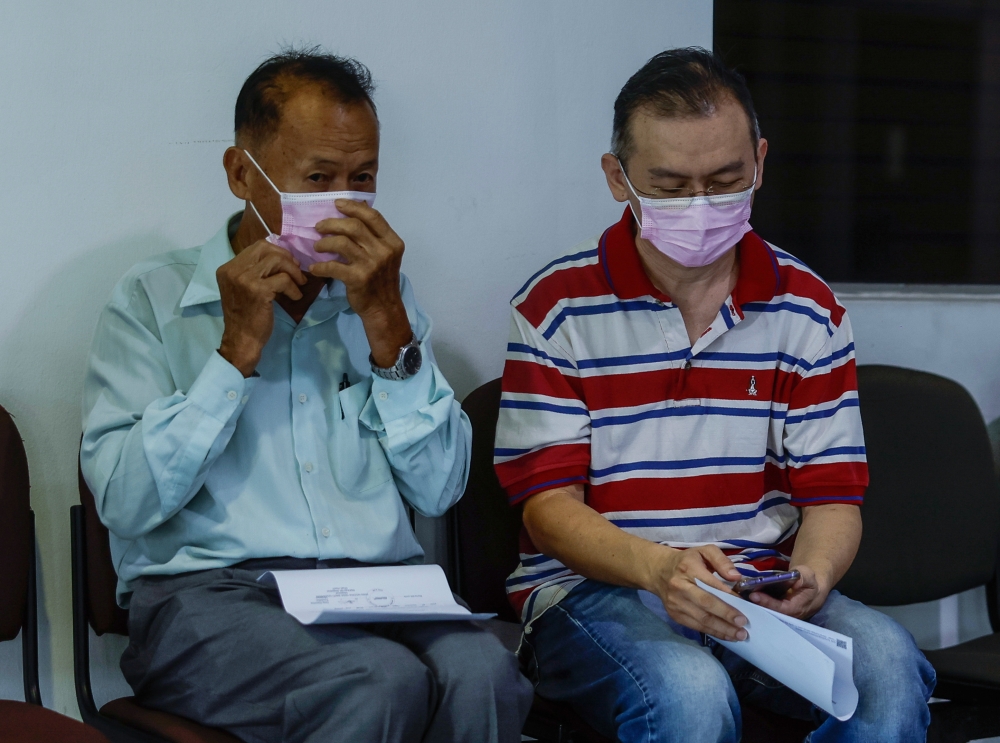
Four individuals appeared before the Sessions Court in Shah Alam on Wednesday facing serious charges related to fraudulent submissions in the Perkeso Daya Kerjaya 2.0 initiative, the Malaysian government's employment assistance and skills development programme. The charges underscore mounting scrutiny over the integrity of social assistance schemes as authorities intensify efforts to combat benefit fraud across the nation.
The Perkeso Daya Kerjaya 2.0 programme represents a cornerstone of Malaysia's workforce development strategy, offering financial support and training opportunities to workers displaced by economic disruption or technological change. Administered by the Social Security Organisation (Perkeso), the scheme has expanded significantly in recent years to accommodate growing demand for reskilling initiatives. The programme's credibility depends fundamentally on accurate applicant information and honest representation of eligibility criteria, making such fraudulent applications particularly damaging to public confidence.
The false statements allegedly included in the applications constitute a serious breach of the scheme's terms and conditions. Fraudsters typically exploit such programmes by misrepresenting employment status, qualifications, or personal circumstances to secure benefits they would not otherwise receive. This variety of deception not only diverts limited government resources away from genuinely eligible participants but also undermines the programme's effectiveness in addressing real workforce challenges facing Malaysians.
Authorities have escalated their vigilance regarding benefit fraud across multiple social support schemes. The investigation and prosecution of these four individuals reflects a broader governmental commitment to safeguarding public funds and ensuring equitable distribution of assistance to deserving beneficiaries. Such enforcement actions send a clear message that fraudulent claims carry serious legal consequences, potentially deterring would-be offenders.
The Sessions Court in Shah Alam, Selangor, has become a focal point for cases involving employment and social security fraud. Selangor, as Malaysia's most populous state and economic powerhouse, experiences particular vulnerability to benefit scheme abuse given the concentration of job seekers and displaced workers in the region. The court's handling of such cases establishes important legal precedents for prosecuting similar offences nationwide.
Perkeso's fraud prevention mechanisms have come under scrutiny as schemes expand in scope and participant numbers increase. While the organisation has implemented various verification procedures, the sophistication of modern fraud techniques often outpaces institutional safeguards. These court cases highlight the ongoing challenge of maintaining programme integrity while processing thousands of applications efficiently. Better integration of digital identity verification and employment history cross-checking with tax authorities and other government agencies could strengthen defences against fraudulent submissions.
For ordinary Malaysians genuinely seeking support through the Daya Kerjaya 2.0 programme, fraudulent applications by others create secondary harms beyond immediate budget impacts. When fraud becomes widespread, programme administrators often respond by implementing more stringent verification requirements, potentially slowing legitimate applications and creating bureaucratic obstacles for honest applicants. Public perception of programme integrity may also suffer, discouraging eligible individuals from applying out of concern regarding government efficiency or fairness.
The enforcement action also reflects the government's broader anti-corruption agenda and commitment to fiscal responsibility. Misappropriation of public resources through benefit fraud, though sometimes viewed as victimless by perpetrators, ultimately reduces funding available for genuine beneficiaries and essential public services. In Malaysia's current fiscal environment, protecting programme budgets from fraudulent claims takes on heightened importance as the government balances expanding social safety nets with fiscal sustainability.
These prosecutions occur amid growing regional attention to benefit scheme security across Southeast Asia. Countries throughout the region have experienced similar fraud challenges as social support programmes expanded to respond to pandemic-related disruptions and structural economic changes. Malaysia's approach to investigating and prosecuting benefit fraud serves as a model for regional best practices and demonstrates the importance of robust law enforcement cooperation with social security agencies.
The outcome of these proceedings will carry significance beyond the individual defendants. Successful prosecutions establish important case law governing the treatment of fraudulent social assistance applications, influencing how future similar cases are handled across Malaysian courts. Judges' sentencing decisions will signal the severity with which the legal system views such offences, potentially influencing deterrence levels among other potential fraudsters contemplating false claims.
Perkeso has indicated its intention to strengthen internal controls and cooperate fully with law enforcement authorities in fraud investigations. The organisation has also emphasised the importance of applicant compliance with programme requirements and honesty in disclosure of personal and employment information. Public awareness campaigns highlighting the legal consequences of fraudulent applications could complement enforcement efforts in discouraging such behaviour.
Moving forward, the cases underscore the critical importance of balancing accessibility to social support programmes with robust fraud prevention mechanisms. While the Daya Kerjaya 2.0 initiative must remain responsive to genuine workforce development needs, strengthening verification procedures and consequence frameworks protects the scheme's long-term viability and ensures resources reach deserving beneficiaries who contribute honestly to their own advancement.

