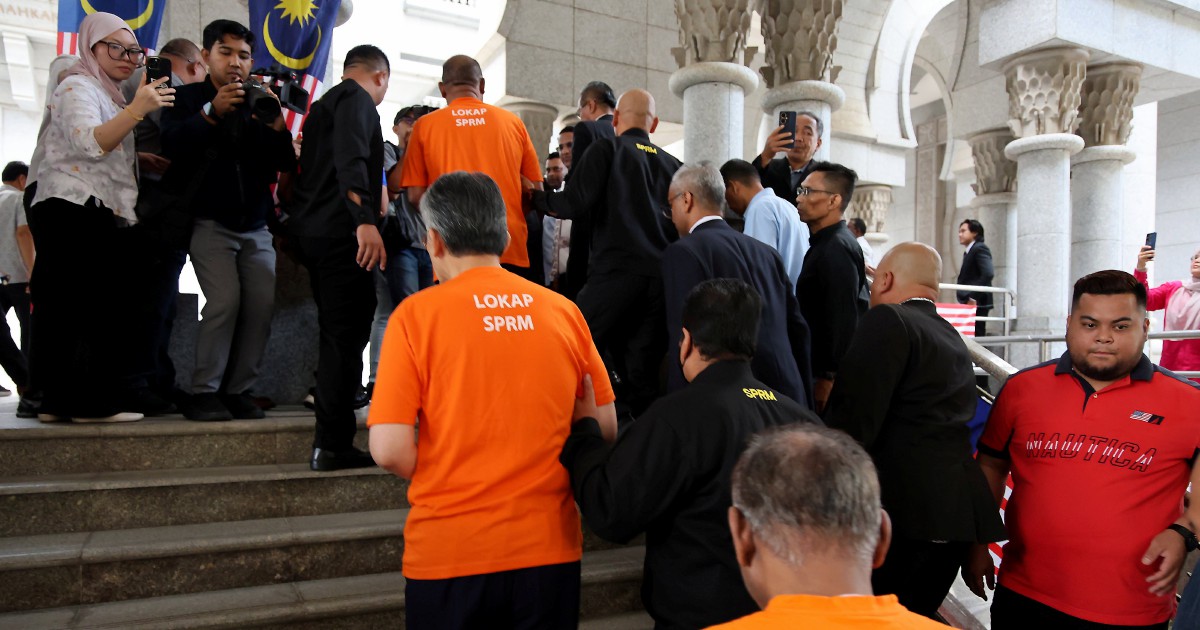
The Malaysian Anti-Corruption Commission extended custody of a former Tabung Haji chief executive officer by four days in Putrajaya today, signalling an intensifying investigation into alleged misconduct at the state-owned Islamic pilgrimage fund. The decision reflects growing official concern about governance failures at an institution managing billions in savings belonging to Muslim devotees preparing for the Hajj.
Tabung Haji has faced mounting scrutiny over recent years as questions have surfaced regarding financial mismanagement and questionable investment decisions. The pilgrimage fund, which holds deposits from more than three million Malaysian contributors, plays a central role in facilitating overseas religious travel for practising Muslims. Any institutional weakness strikes at the heart of public trust in religious stewardship of community assets.
The remand extension underscores the gravity of allegations under investigation and suggests investigators have uncovered sufficient evidence to warrant continued questioning. Authorities typically seek extended detention when they believe substantial leads remain unexplored or when cooperating witnesses require protection as the inquiry proceeds. The four-day window allows the anti-graft agency to pursue specific lines of inquiry while maintaining custody of the accused.
The former CEO's detention marks a significant development in what appears to be a comprehensive examination of decision-making at institutional level. Such investigations often follow complaints from contributors or whistleblowers within the organization who have raised concerns about proper governance standards. The MACC's involvement indicates concerns have escalated beyond internal complaints to warrant federal enforcement attention.
Tabung Haji has come under particular pressure following financial losses and volatility that eroded contributor confidence during previous years. When state-linked institutions entrusted with religious responsibilities report losses or governance lapses, the reputational damage extends beyond balance sheet concerns to affect public confidence in institutional leadership. The current investigation must therefore be understood as addressing both technical compliance issues and broader questions about fiduciary responsibility toward vulnerable savers.
The extended remand reflects investigative momentum that typically carries implications for other institutional officials and decision-makers under examination. Anti-corruption investigations into large organizations frequently expand as investigators map organizational structures and decision flows. Other former or current executives may face questioning or restrictions as the probe evolves. The four-day extension window suggests investigators expect to move methodically through a substantial volume of material and testimony.
For Malaysia's oversight landscape, this case demonstrates the continued relevance of anti-corruption mechanisms in scrutinizing state-linked institutions. Tabung Haji's position as a religiously significant entity managed public assets makes institutional accountability particularly important to community confidence. The MACC's pursuit of cases involving religious or community-oriented organizations sends signals about the breadth of corruption prevention efforts nationwide.
Regionally, Malaysia's willingness to pursue corruption cases involving senior corporate and institutional figures aligns with broader Southeast Asian trends toward enhanced accountability frameworks. Neighbouring countries have similarly expanded investigations into state enterprises and pilgrimage-related institutions, reflecting shared concerns about fiduciary standards in organizations managing community resources. The cases often reveal common governance weaknesses including inadequate board oversight, weak internal controls, and insufficient transparency in major financial decisions.
The investigation's timing carries implications for Tabung Haji's operational recovery and institutional reform efforts. Ongoing legal proceedings can distract management attention and complicate efforts to restore contributor confidence. However, pursuing accountability also signals institutional commitment to addressing historical problems rather than allowing them to persist unexamined. Many Malaysian observers regard credible investigations as necessary precursors to genuine institutional rehabilitation.
For the broader financial services landscape, the case illustrates regulatory vulnerabilities that can affect state-managed investment pools and specialized funds. Tabung Haji's particular mission—supporting Islamic religious obligations while generating investment returns—creates inherent tensions that require sophisticated governance frameworks. The current investigation may reveal specific governance gaps or risk management failures that provide lessons for other specialized financial institutions operating under Malaysia's regulatory regime.
The extended remand also reflects evolving enforcement priorities at the MACC, which has increasingly targeted leadership-level decision-making rather than street-level corruption. This strategic shift requires investigators to develop sophisticated cases demonstrating how institutional failures reflect intentional wrongdoing by senior managers. The four-day extension suggests investigators have developed sufficient preliminary evidence to justify continued detention while building comprehensive prosecutorial positions.

