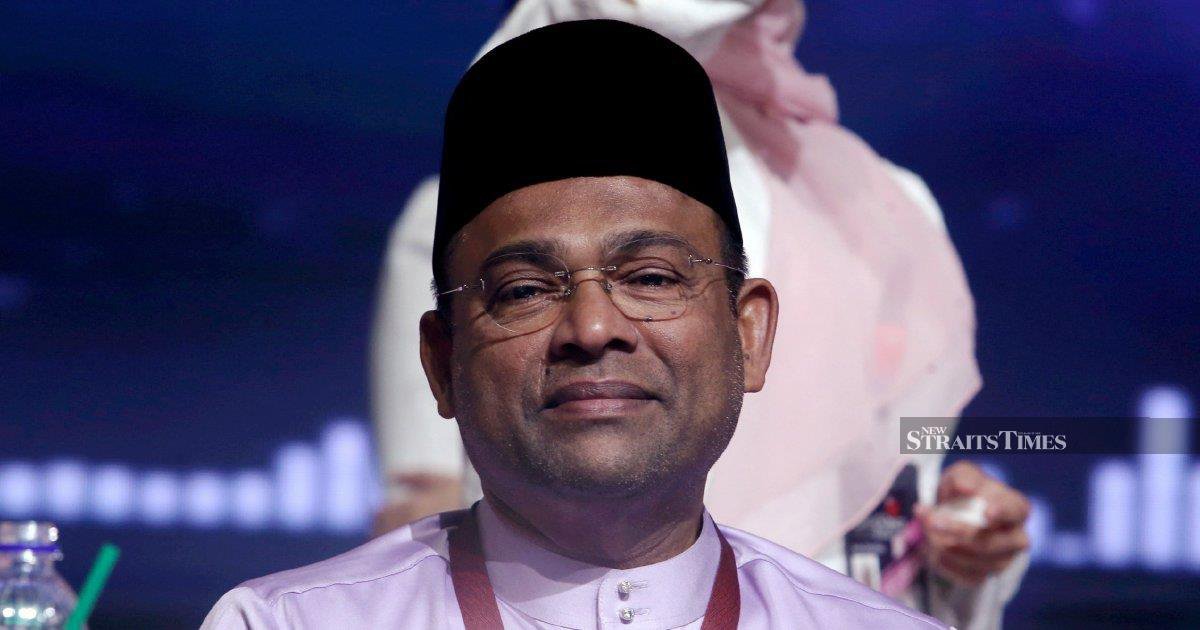
Datuk Seri Abdul Azeez Abdul Rahim, who previously led Tabung Haji as chairman, has rejected pressure from Bersatu to address whether Malaysia's anti-corruption authorities have questioned him concerning the Royal Commission of Inquiry's damning assessment of the pilgrim fund. The former executive sidestepped the opposition party's demands by asserting that his name does not appear in the RCI report itself, suggesting the matter requires no further commentary from him.
Bersatu's push for clarification stems from broader concerns about accountability within Tabung Haji, an institution responsible for managing the savings and pilgrimage arrangements of millions of Malaysian Muslims. The party has been vocal in its scrutiny of the fund's governance, particularly following revelations of significant losses and management failings that prompted the establishment of the RCI. The timing of Bersatu's call reflects ongoing political attention to how senior officials connected with the pilgrim fund have responded to investigations.
The Royal Commission of Inquiry was tasked with examining the circumstances that led to Tabung Haji's accumulated losses, which have eroded the financial security of countless members who depend on the fund for their Hajj savings. The investigation examined investment decisions, management structures, and oversight mechanisms that allowed substantial losses to occur over several years. Its findings have become a significant touchstone in debates about institutional accountability and fiduciary responsibility in Malaysia's public sector.
Azeez's response illustrates a common approach among officials implicated in governance controversies: focusing on technical absence from formal documentation rather than substantively addressing underlying questions. By emphasizing that the RCI report contains no reference to his name, he attempts to create distance between himself and the institutional failures the commission documented. However, this strategy risks appearing evasive to observers who view the former chairman's tenure as integral to understanding how the fund deteriorated.
The distinction between being named in a formal report and being under investigation by enforcement agencies represents a critical point in Malaysian governance discourse. MACC's investigative mandate extends beyond individuals explicitly mentioned in RCI findings; authorities routinely pursue lines of inquiry that emerge from broader institutional analysis. Azeez's refusal to confirm or deny contact with MACC neither proves his cooperation with investigators nor demonstrates his distance from the issues under examination.
Tabung Haji's governance failures carry implications extending far beyond administrative accountability. The fund serves approximately 8.8 million members, predominantly lower and middle-income Malaysians saving for their religious obligation to perform Hajj. Losses sustained through poor investment decisions and inadequate oversight have directly impacted these members' financial security, making the question of leadership responsibility deeply personal for a vast constituency. This context elevates the significance of how former executives respond to accountability mechanisms.
Bersatu's intervention reflects the broader political interest in Tabung Haji accountability across Malaysia's parliamentary spectrum. While opposition parties have seized on governance failures as evidence of institutional mismanagement, government-linked parties have attempted to position institutional reform and member protection as their priority. The debate has become sufficiently politically charged that individual responses by former officials acquire public significance beyond their personal circumstances.
The RCI's investigation methodology and scope remain central to understanding what names appear in its report and which individuals might require separate scrutiny. Investigations often identify systemic failures requiring attention to multiple actors rather than focusing on single individuals. A former chairman's absence from the final report does not necessarily indicate exoneration; rather, it may reflect the commission's determination that institutional rather than individual culpability formed the primary focus of its inquiry.
MACC's authority to investigate potential corruption or misconduct related to Tabung Haji operates independently of RCI documentation. The agency routinely pursues investigations that complement rather than directly replicate formal commission findings. Public officials questioned by MACC typically face legal advisories about disclosing investigative contact, explaining why many individuals decline to confirm whether they have been questioned. Azeez's silence on this specific matter thus follows a recognizable pattern.
The exchange between Bersatu and Azeez highlights tensions in Malaysia's institutional accountability framework. While investigative commissions provide formal documentation of failings, they do not substitute for enforcement action. The public often experiences frustration when reports conclude but criminal or administrative consequences appear limited. This gap between investigative findings and subsequent enforcement generates political pressure for clarity about which individuals face ongoing scrutiny.
For Malaysian Hajj intending pilgrims and current Tabung Haji members, the resolution of accountability questions carries practical weight. Institutional reform requires clarity about past failures and responsible parties, enabling stakeholders to assess whether governance improvements have genuinely been implemented. Ongoing ambiguity about who bears responsibility and faces consequences diminishes confidence in reforms regardless of their technical soundness.
The broader question extending beyond Azeez concerns how Malaysian public institutions address accountability when formal investigations conclude. Stakeholders increasingly demand transparency about which findings trigger enforcement action, which officials face investigation, and what consequences follow documented institutional failure. Azeez's response to Bersatu reflects the cautious position many officials adopt when navigating between legal exposure and public expectation, a tension that continues shaping Malaysian governance discourse.

