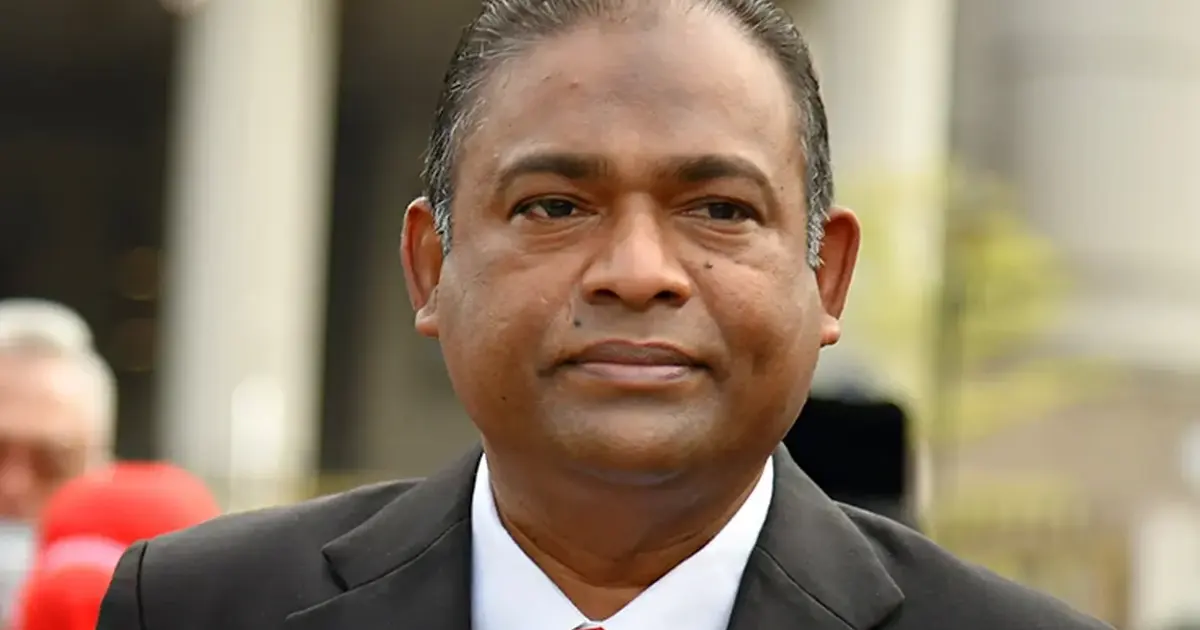
The son of former Baling MP Abdul Azeez Abdul Rahim has moved to quell rumours sweeping social media platforms, firmly denying claims that his father—the former chairman of Tabung Haji—had been taken into custody. The denial comes after speculation intensified overnight across Facebook, Twitter, and other social networks, with numerous posts claiming an arrest had taken place, though no official confirmation had been provided by authorities.
Abdul Azeez Abdul Rahim, who previously represented the Baling constituency in Kedah, has been a prominent figure in Malaysian political and financial circles. His leadership of Tabung Haji, the state-owned pilgrimage fund that manages billions of ringgit in savings for over three million members, placed him at the helm of one of the nation's most significant Islamic financial institutions. The fund's operations and governance have periodically drawn public attention, particularly regarding how member contributions are managed and invested.
The rapid spread of the arrest rumour reflects a broader pattern of misinformation on Malaysian social media, where unverified claims about political and public figures can gain traction within hours. Without official statements from the Malaysian Anti-Corruption Commission (MACC) or law enforcement agencies, such reports remain speculative, yet they can create significant reputational concerns and public confusion. The incident underscores the challenge authorities and public figures face in combating false narratives in the digital age.
For Tabung Haji itself, any cloud of suspicion surrounding its former leadership carries implications for public confidence in the institution. The fund has faced scrutiny over the years regarding investment decisions, transparency in operations, and governance standards. Members who entrust their savings to Tabung Haji for their Hajj pilgrimage aspirations are understandably concerned about the institutional integrity and proper stewardship of their funds. Leadership credibility therefore remains crucial to maintaining stakeholder trust.
The timing of such rumours, and their rapid dissemination, often coincides with broader political contexts or investigations into public institutions. Malaysia has witnessed several high-profile cases involving former leaders and officials facing corruption charges in recent years, which has heightened public awareness and sensitivity regarding allegations against prominent figures. This heightened awareness can make populations more susceptible to unverified claims.
Official channels of communication from MACC or the police would typically provide authoritative information regarding any investigation or enforcement action. The absence of such confirmation, combined with the son's public denial, suggests the speculation lacks substantiated foundation. Nevertheless, the incident highlights the importance of media literacy and the need for citizens to rely on official sources rather than social media hearsay when evaluating serious allegations.
Tabung Haji's governance has been a matter of public interest, particularly following revelations about investment losses and management concerns. In 2020, the fund reported significant losses, raising questions about how effectively it was managing member contributions. Such institutional challenges can create an environment where questions about leadership and decision-making become more prominent in public discourse. The organisation has since undertaken various remedial measures and governance reforms to restore confidence.
For Malaysian readers, especially the over three million members of Tabung Haji, clarity regarding the fund's leadership and any potential investigations affecting it is important information. The institution sits at the intersection of Islamic finance, pilgrimage facilitation, and public financial management, making developments affecting it matters of broader relevance than individual personnel changes. Members depend on the fund's stability and trustworthiness.
Social media platforms have become primary information sources for many Malaysians, but they also serve as conduits for unverified claims and deliberate misinformation. The absence of editorial standards, fact-checking mechanisms, and accountability on these platforms creates an environment where false narratives can flourish. This incident provides a timely reminder of the importance of exercising caution before sharing or believing claims encountered online, particularly regarding serious allegations such as arrests by anti-corruption authorities.
Moving forward, official statements from relevant government agencies, including MACC and police, would provide clarity regarding any investigations or enforcement actions. Until such confirmation emerges through proper channels, claims circulating on social media should be treated with appropriate scepticism. For public figures and their families, the challenge of addressing rumours without official context remains difficult, as demonstrated by the son's recent clarification.

