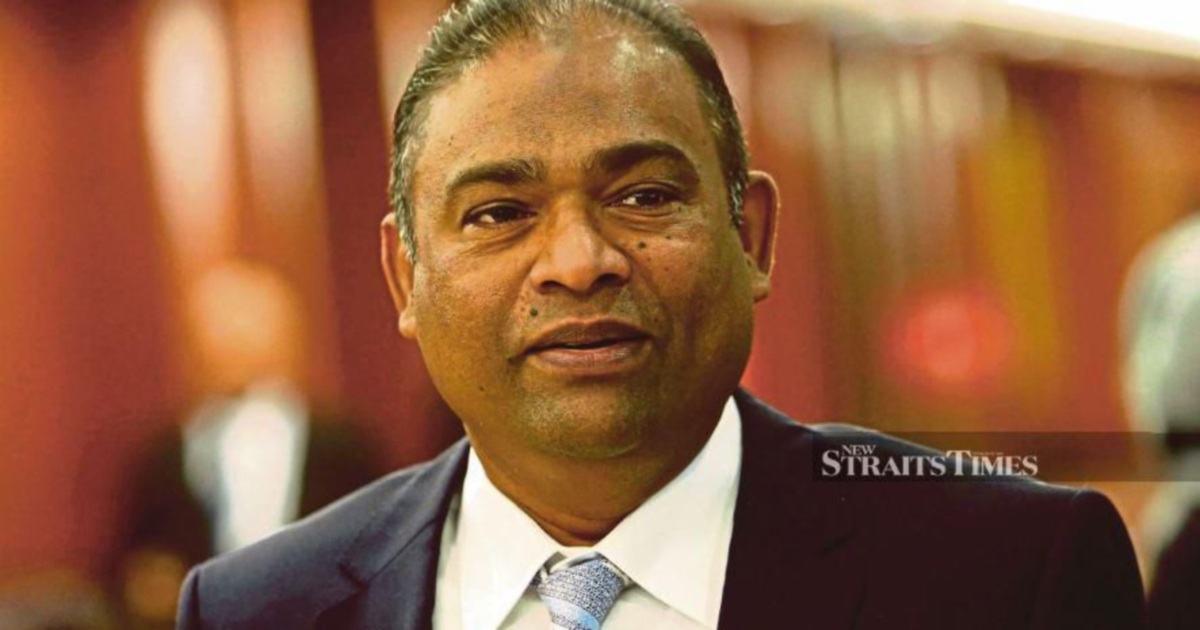
The family of former Tabung Haji chairman Datuk Seri Abdul Azeez Abdul Rahim moved swiftly to correct public perception yesterday after reports suggested he had been arrested by the Malaysian Anti-Corruption Commission. His son, Mohamed Khairul Azman, issued a clarification stating that no such arrest had taken place, countering speculation that had circulated in various quarters.
The timing of this clarification reflects the sensitivity surrounding high-profile figures and their interactions with Malaysia's corruption watchdog. The MACC has increasingly come into public focus as investigations into governance and financial propriety continue across the country's major institutions. The misunderstanding—whether deliberate or accidental—highlights how quickly information can be distorted when it concerns individuals in prominent positions and regulatory bodies.
Tabung Haji, officially known as Lembaga Tabung Haji Malaysia, sits at the intersection of religious stewardship and financial management. As the institution responsible for managing funds collected from Muslims across Malaysia for pilgrimage purposes, its leadership carries considerable weight. The organisation manages billions in assets and touches the lives of millions of Malaysians who contribute to it throughout their lives in anticipation of performing the Hajj.
Abdul Azeez's tenure as chairman placed him at the helm during a period when Malaysia's financial institutions faced heightened scrutiny regarding governance standards and transparency. The Tabung Haji role demands not only administrative competence but also the trust of a deeply religious constituency. Any suggestion of investigation or legal involvement inevitably attracts attention, given the public interest in how Islamic financial institutions are managed.
The MACC's mandate to investigate corruption and misconduct places it in a position where its activities become matters of public record and discourse. When the commission takes action against individuals, particularly those who have held significant posts, the news spreads rapidly through media and social channels. This environment makes clarifications from family members or the individuals themselves particularly important for managing narrative and perception.
Malaysia's approach to fighting corruption has evolved substantially over the past decade. The MACC has pursued investigations across sectors, from government ministries to statutory bodies like Tabung Haji. These efforts reflect broader commitments to transparency and accountability, though they have also generated considerable public discussion about the scope and methodology of such investigations.
The distinction between an arrest and an official investigation or summons is legally and factually significant. An arrest implies formal detention and charges, while an investigation may involve cooperation with authorities, interviews, or the provision of documents and information. This distinction matters considerably in how the public and investors perceive the situation, and clarifications serve to establish the accurate legal standing of any individual.
For Tabung Haji itself, clarity around the circumstances of its former leadership becomes important as the institution moves forward. Any cloud hanging over previous administrations can affect public confidence in the body's current operations and governance practices. Malaysian pilgrims who contribute to Tabung Haji do so with the expectation that their funds are managed with integrity and in accordance with Islamic principles. Leadership transitions and institutional review processes depend partly on establishing clear understandings of what occurred previously.
The broader context of institutional governance in Malaysia includes increased emphasis on risk management, compliance frameworks, and alignment with international standards. Many Malaysian bodies, particularly those managing public or semi-public funds, have undertaken reviews and reforms. Tabung Haji, given its role in religious affairs and financial management, likely falls within this landscape of institutional scrutiny and improvement.
Mohamed Khairul Azman's public statement serves to establish the factual record regarding his father's current legal status. Such clarifications from family members or representatives are often necessary when media reporting, social media speculation, or misunderstandings create confusion about whether formal legal actions have been taken. The need for such clarifications underscores how important precision becomes when discussing regulatory actions against individuals.
Moving forward, developments involving Tabung Haji's leadership—both past and present—will likely continue to draw attention from those concerned with institutional governance and financial propriety. The clarification provided regarding Abdul Azeez's status adds to the public record and helps establish what is fact versus speculation. For stakeholders in Malaysia's Islamic finance sector and citizens with interests in Tabung Haji, such clarity contributes to informed public understanding of the institution's operations and oversight.

