Malaysia's athletics governance is at a crossroads, with a former Sports Commissioner sounding alarm bells about structural failures that could have cascading consequences for the nation's sporting ambitions. Datuk Zaiton Othman, drawing on her experience as a decorated athlete and former national sports administrator, has publicly urged Malaysia Athletics to urgently rectify its governance framework and ensure strict alignment with the World Athletics constitution and operational guidelines. The warning reflects growing anxiety within Malaysia's sports establishment that internal administrative missteps could trigger international sanctions with far-reaching ramifications.
The stakes could hardly be higher. Should World Athletics determine that Malaysia Athletics has violated its regulatory obligations—whether through constitutional amendments that contravene global standards or through non-compliant decision-making processes—the governing body possesses the authority to suspend or revoke the organisation's registration entirely. Such action would effectively sideline Malaysia from the international athletics calendar and create an untenable situation for the nation as it prepares to host the 2027 Southeast Asian Games. The prospect of Malaysia, as the designated host nation, being unable to stage track and field events would represent an unprecedented embarrassment and logistical nightmare for regional sport.
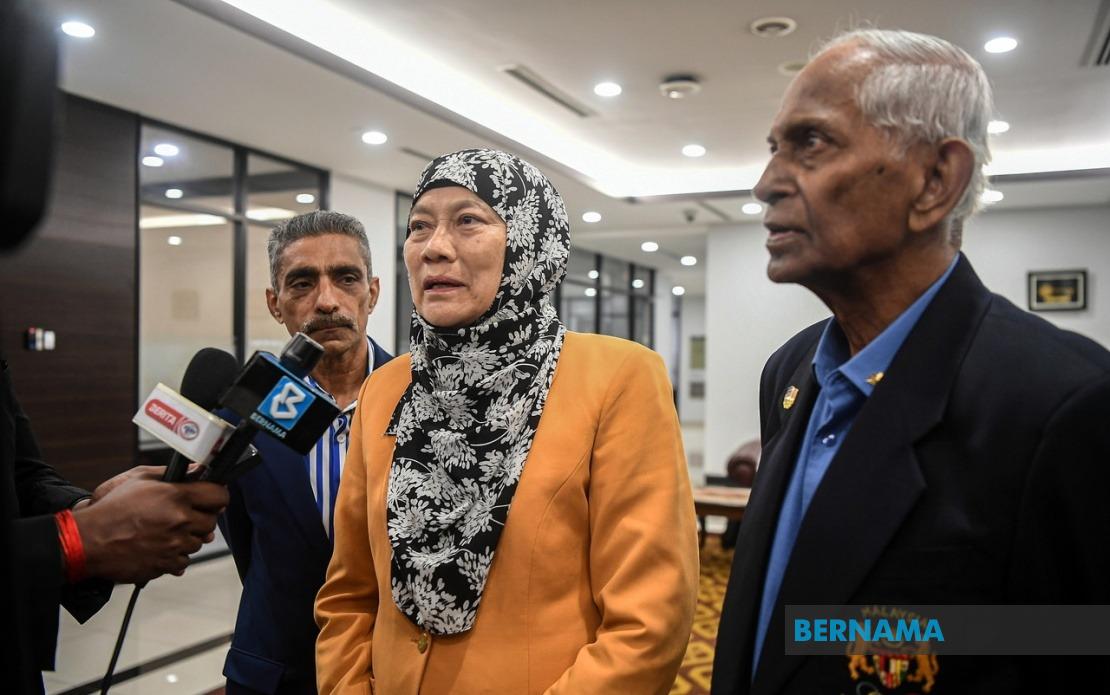
Zaiton articulated this concern with particular clarity when meeting with Youth and Sports Minister Dr Mohammed Taufiq Johari at Parliament. Athletics commands significant medal-generating potential across Southeast Asia, ranking alongside swimming and shooting as a cornerstone discipline at the biennial Games. The 2024 SEA Games athletics programme alone offered 47 gold medals, encompassing headline events such as the 100-metres sprint and the 4x100-metres relay—competitions that capture public imagination and generate substantial medal tallies for competing nations. The prospect of Malaysia forfeiting its opportunity to organise these events would be strategically damaging and diplomatically awkward on the regional stage.
Beyond the immediate hosting question lies another dimension of vulnerability. Individual Malaysian athletes would face prohibition from competing in World Athletics-recognised international events should the federation lose accreditation. This exclusion would effectively freeze national competitors out of continental championships, Olympic Games qualifying competitions, and other elite-level fixtures essential for career development and global exposure. For emerging talents and established champions alike, such isolation would truncate career trajectories and undermine decades of investment in athlete development pipelines.
Zaiton, whose own athletic career earned her the epithet 'Iron Woman' as a heptathlon competitor, articulated these concerns on behalf of a coalition including fellow Olympian Datuk Karu Selvaratnam and Datuk Noorul Ariffin Abdul Majeed, former chairman of the National Athletes Welfare Foundation. This delegation collectively emphasised that governance failures posed a direct threat to competitive performance and athlete welfare—concerns that resonated sufficiently with the Sports Ministry to merit formal parliamentary engagement. The involvement of multiple former sports leaders underscores the seriousness with which Malaysia's athletic establishment views the situation.
The immediate trigger for this intervention involves Malaysia Athletics president Karim Ibrahim's ongoing institutional struggles. Earlier in June, Ibrahim took a leave of absence from his presidential duties in advance of an Annual General Meeting scheduled to address constitutional amendments designed to harmonise Malaysia Athletics' governance structures with World Athletics standards. This reactive approach—moving to remediate constitutional deficiencies only when external pressure mounts—suggests the federation has previously operated with insufficient attention to compliance requirements. The necessity for constitutional overhaul indicates gaps in administrative rigour that may have accumulated over an extended period.
Karim's personal situation adds further complexity to the governance picture. He has been operating under a World Athletics suspension imposed in 2018, a disciplinary action that was upheld following appeal to the Court of Arbitration for Sport. Nonetheless, he retained eligibility to contest positions within the Asian Athletics Federation Executive Council for the 2019-2023 term, even after the CAS determination. This bifurcated status—individually sanctioned while remaining professionally functional in certain capacities—illustrates the intricate intersection of personal compliance issues and organisational governance challenges that currently bedevil Malaysian athletics administration.
Zaiton emphasised an important nuance regarding governmental authority over sports bodies. While the government cannot directly intervene in the administrative decisions of independent sports associations, the Sports Development Act 1997 provides the Sports Commissioner and the Sports Ministry with regulatory authority to enforce compliance with established frameworks and impose corrective measures when associations operate outside prescribed parameters. This legal architecture creates space for government guidance without crossing into inappropriate interference—a distinction particularly relevant for Malaysian sports governance, where autonomous federation operations must be balanced against public sector oversight responsibilities.
The timing of this governance crisis carries additional significance for Malaysia's sporting trajectory. The nation is investing substantially in its 2027 SEA Games hosting responsibilities, and athletics forms a cornerstone of any Games programme. A failure to resolve Malaysia Athletics' structural deficiencies before international deadlines pass would signal systemic fragility in national sports administration at precisely the moment when institutional capacity must be at its strongest. The reputational damage would extend beyond athletics alone, potentially affecting broader confidence in Malaysia's sports governance infrastructure and its capacity to deliver on hosting commitments.
Looking forward, the resolution of Malaysia Athletics' compliance deficiencies requires simultaneous action on multiple fronts. The planned constitutional amendments must be substantive rather than cosmetic, genuinely aligning the federation's governance architecture with World Athletics requirements rather than creating an appearance of compliance. Leadership transitions may need to occur if existing office-holders remain encumbered by individual sanctions or governance legacies. Perhaps most critically, Malaysia's sports establishment—encompassing government bodies, the federation itself, and civil society stakeholders like RISE—must coordinate to ensure that compliance becomes an embedded cultural value rather than a compliance exercise undertaken under external duress.
For Malaysian sports observers and athletes, the situation crystallises a broader challenge facing developing nations in the sports governance sphere. International federations establish increasingly sophisticated regulatory frameworks designed to ensure transparency, accountability, and institutional integrity. Domestic sports bodies must navigate these requirements while managing local complexities, political pressures, and resource constraints. Malaysia Athletics' current difficulties suggest that strategic investment in administrative capacity—not merely in athlete development—may prove essential for maintaining international standing and protecting national sporting interests. The 2027 SEA Games hosting opportunity, paradoxically, may serve as the catalyst that finally forces comprehensive governance modernisation within Malaysian athletics.