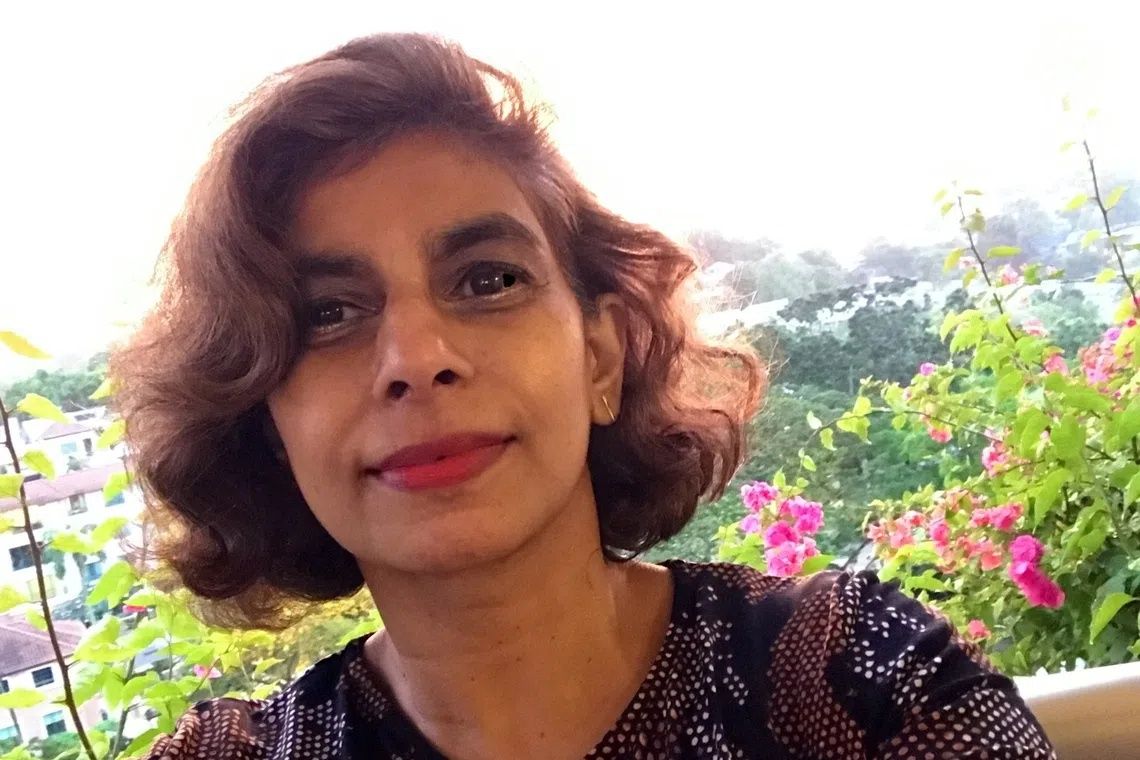
A former Singapore broadcaster has secured her release from remand through a S$5,000 personal bond following a bail review hearing, marking an end to an extended period of custody that lasted more than five months. Haseenah Koyakutty, aged 57, appeared in court on August 5 where prosecutors indicated they would not contest the application for her release on personal recognizance, paving the way for her exit from detention.
The case represents a significant development in a legal matter spanning several years and encompassing allegations ranging from trespass to harassment. Court proceedings have revealed that Koyakutty was previously released on bail between May 2023 and May 2025 under specific conditions, which the prosecution alleges she breached by failing to maintain regular contact with her investigating officer as required. The circumstances surrounding her earlier release and subsequent return to custody provide important context for understanding the trajectory of her legal predicament.
Koyakutty now faces a six-count indictment that reflects a complex pattern of alleged misconduct across different incidents and timeframes. One charge relates to an alleged occurrence at Takashimaya Shopping Centre on December 17, 2025, where she is accused of using insulting language that caused alarm to another person, with the remarks reportedly directed toward Singapore's Chief Justice. This particular allegation demonstrates the sensitive nature of some accusations, given the prominence of the public figure involved and the formal setting in which the alleged conduct took place.
The criminal trespass allegations form another substantial component of the charges. Koyakutty is accused of unlawfully remaining within the Shangri-La Hotel in 2023, a charge dating back several years. Additionally, she faces a separate trespass allegation from May 2025 involving her entry into and unauthorised presence at a Bukit Timah property, suggesting a pattern of similar alleged behaviour across the period in question.
Beyond these primary charges, Koyakutty is also accused of refusing to sign police statements that she allegedly provided on two separate occasions—once in April 2023 and again in June 2025. This procedural allegation adds another layer to the prosecution's case, potentially complicating matters by suggesting non-cooperation with investigators during crucial junctures in the inquiry process.
The legal framework governing these offences carries substantial potential penalties that underscore their seriousness. Criminal trespass convictions in Singapore can result in imprisonment for up to three months, financial penalties reaching S$1,500, or a combination of both sanctions. The harassment charge carries more severe consequences, with possible jail terms extending to six months and fines up to S$5,000 under provisions of the Protection from Harassment Act, reflecting Parliament's serious approach to conduct that intimidates or causes distress to others.
Koyakutty's professional background adds another dimension to the case, given her standing in Singapore's media landscape. During the 1990s, she worked as a broadcast journalist with the former Television Corporation of Singapore, subsequently advancing to become Indonesia bureau chief for Channel NewsAsia—a position reflecting considerable experience and responsibility in regional journalism. Her later engagement as a visiting public diplomacy fellow at the Institute of Defence and Strategic Studies at Nanyang Technological University demonstrated her intellectual contributions to policy discussion and security analysis.
The contrast between her accomplished career trajectory and the current legal difficulties presents a striking juxtaposition that observers have noted. Her progression from mainstream broadcasting through international reporting to academic engagement represented a respected pathway within Singapore's professional circles, making her current predicament particularly notable within media and policy communities that knew her work.
For Malaysian and regional readers, this case offers insights into Singapore's approach to criminal procedure and harassment law. The strict bail conditions, the extended remand period, and the formal requirements around police cooperation illustrate the jurisdiction's commitment to prosecutorial oversight. The case also exemplifies how media professionals and public intellectuals remain subject to the same legal constraints as other citizens, regardless of their prior professional standing or contributions to public discourse.
Looking ahead, Koyakutty's matter will progress to a pre-trial conference scheduled for September 1, where the substantive elements of her defence will begin taking shape. This procedural milestone represents the next significant stage in what has already proven to be a protracted legal process. The outcome of these proceedings may have implications for broader questions about free expression, harassment protections, and the treatment of prominent individuals within Singapore's legal system.
The personal bond condition imposed by the court provides a less restrictive alternative to continued detention while the case proceeds, suggesting judicial assessment that release does not pose unacceptable risks. Nonetheless, the substantial number of charges and the seriousness of allegations indicate that Koyakutty faces considerable legal jeopardy as the matter advances toward resolution. Her case underscores the sometimes fraught intersection between personal conduct, public office, and the enforcement of harassment and trespass statutes in modern urban societies.

