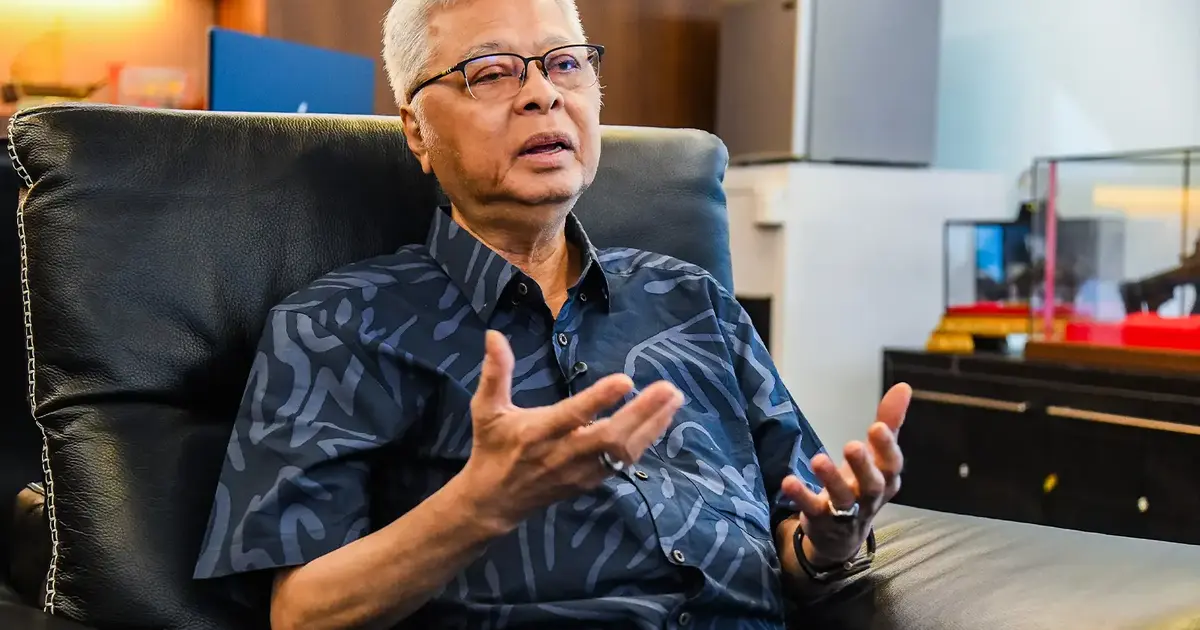
Former Prime Minister Ismail Sabri Yaakob is set to appear before the Sessions Court tomorrow morning to face corruption-related charges, marking a significant moment in Malaysia's ongoing anti-corruption efforts. The high-profile case will be heard by Sessions Court judge Suzana Hussin at 9am, with the former Umno vice-president expected to answer to the allegations filed against him.
The appearance represents another chapter in what has become an extended period of legal scrutiny involving senior political figures in the country. Ismail Sabri's tenure as Prime Minister from August 2021 to August 2022 was relatively brief, during which he navigated a coalition government amid internal party tensions and legislative challenges. His subsequent position as Umno vice-president placed him among the party's senior hierarchy before the charges materialized.
The Malaysian Anti-Corruption Commission (MACC) has intensified its investigations into various political figures in recent years, responding to growing public concern about financial mismanagement and abuse of power. The charges against Ismail Sabri form part of this broader institutional push to hold accountable those accused of corrupt practices, regardless of their political stature or previous office. Such developments have become increasingly common as the commission works through cases dating back several years.
For Malaysian observers of politics, the case carries implications beyond the individual defendant. The proceedings demonstrate the judiciary's willingness to process cases involving former prime ministers and top party officials, an important signal for the country's commitment to rule of law and equal treatment before the courts. This principle has been tested repeatedly over the past decade, with varying outcomes that have shaped public confidence in institutions.
The timing of the charges and court appearance reflects the often extended nature of corruption investigations in Malaysia. From initial complaint to formal charging, cases frequently take considerable time as evidence is gathered, witnesses interviewed, and legal procedures followed. The court process itself will likely extend over several months, given the complexity typical of cases involving high-level political figures.
Ismail Sabri's political career has been closely tied to Umno's fortunes, particularly during periods of internal party realignment. His elevation to the prime minister's office came during a period when the party sought to reassert its dominance following the 2020 elections and the formation of the Muafakat Nasional coalition with PAS. His subsequent return to a vice-presidential role reflected both party reorganization and shifts in factional alignments within Umno's leadership structure.
The case will be closely watched by political analysts and observers tracking the intersection of law enforcement and politics in Malaysia. Previous high-profile corruption cases have attracted significant media attention and public commentary, with outcomes often analyzed through both legal and political lenses. The handling of cases involving prominent figures influences perceptions of institutional independence and the effectiveness of anti-corruption mechanisms.
Sessions Court represents the trial division for serious charges in Malaysia's court hierarchy, placing this case at an intermediate level rather than the higher appellate courts. Judge Suzana Hussin's assignment to the case suggests the anticipated complexity and public interest involved. The court's jurisdiction allows for comprehensive examination of evidence and witness testimony over extended proceedings.
The appearance tomorrow will likely involve procedural matters including the reading of charges, confirmation of legal representation, and setting of trial dates or preliminary hearing schedules. In high-profile political cases, these initial court sessions frequently attract significant media presence and set parameters for how the case will progress through the legal system.
For the broader Malaysian political landscape, the case contributes to a pattern of legal actions targeting various political figures across party lines. This pattern raises questions about institutional capacity, the timing of investigations, and the relationship between political events and enforcement actions. Whether charges proceed efficiently or become prolonged typically influences public perception of the anti-corruption agenda.
The case also carries implications for Umno specifically, as one of Malaysia's oldest and historically most powerful political parties. Questions about internal governance, candidate vetting, and the party's public image continue as senior members face legal challenges. These developments may influence the party's positioning ahead of electoral cycles and its efforts to rebuild political credibility.
The proceedings commencing tomorrow will provide clarity on the specific charges, evidence summaries, and the expected timeline for full legal determination. Media coverage and public commentary will likely intensify as details emerge from court, contributing to ongoing national conversations about governance, accountability, and the rule of law in Malaysian politics.

