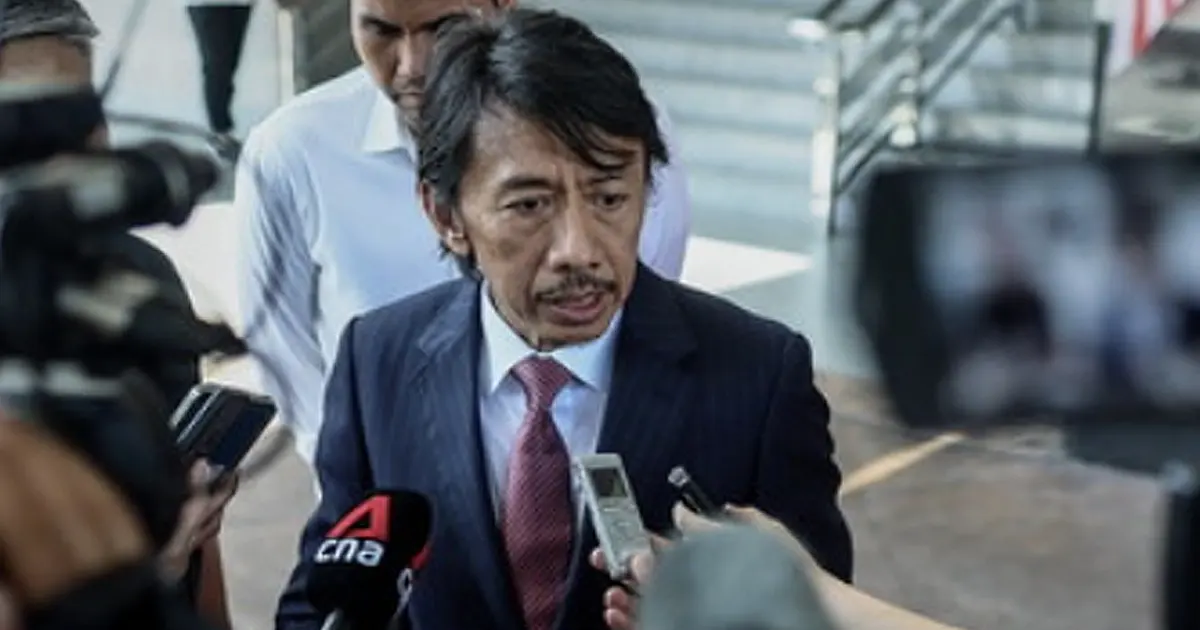
Former prime minister Ismail Sabri Yaakob has undergone a pacemaker implantation procedure at the National Heart Institute to manage an abnormal heart rhythm condition. The surgical intervention was completed this afternoon at the leading cardiac facility in Kuala Lumpur, marking a significant health development for the 65-year-old politician who served as the country's ninth prime minister from August 2021 to November 2022.
A pacemaker is a battery-operated medical device implanted beneath the skin, typically below the collarbone, designed to regulate the heart's electrical signals and maintain a steady heartbeat. The procedure becomes necessary when the heart's natural pacing system malfunctions, resulting in arrhythmia—a condition where the heart beats too slowly, too quickly, or irregularly. For individuals experiencing such complications, the device ensures adequate blood circulation throughout the body and prevents potentially dangerous health episodes.
Medical authorities have advised Ismail Sabri to prioritise rest and recovery in the coming days following the operative procedure. Post-implantation care is crucial during the initial phase, as the body requires time to adjust to the foreign device while the surgical site heals. Patients typically undergo monitoring to ensure proper device function and integration with the body's natural cardiac rhythms.
The implantation of a pacemaker represents a major health intervention, though the procedure itself has become routine in modern cardiac medicine. Thousands of Malaysians live with implanted devices, managing their conditions effectively whilst maintaining relatively normal lifestyles once recovery is complete. The technology has evolved significantly over recent decades, with devices now lasting eight to ten years before requiring battery replacement.
Ismail Sabri's health situation will likely draw public attention given his prominent position in Malaysian politics. As a former holder of the nation's highest executive office, developments concerning his wellbeing naturally attract media scrutiny and public interest. His predecessor, Muhyiddin Yassin, had also faced health challenges during his tenure, underscoring the considerable physical and mental demands placed on individuals leading the nation.
The timing of this medical procedure comes amid Malaysia's ongoing political evolution. Ismail Sabri continues to play an influential role in the United Malays National Organisation (UMNO) and remains a significant figure within the broader coalition government structure. His health status may have implications for party dynamics and political positioning, particularly as he recovers from this significant procedure.
The National Heart Institute, where the procedure was performed, stands as one of Southeast Asia's premier cardiac care facilities. The institution regularly conducts thousands of cardiac interventions annually and maintains cutting-edge technology alongside highly trained cardiology specialists. The choice of this facility underscores the gravity with which the former prime minister's condition was being treated.
Arrhythmia conditions affecting political leaders are not uncommon globally, and many high-profile figures have successfully managed such conditions through medical intervention. The prognosis for pacemaker patients is generally positive, with the vast majority returning to their regular activities following an appropriate recovery period. However, individual outcomes depend on various factors including the underlying cause of the arrhythmia and the patient's overall health status.
For Ismail Sabri personally, the recovery phase will require adherence to medical guidance regarding activity levels, medication regimens, and follow-up appointments. Regular monitoring by his cardiology team will ensure the device is functioning optimally and that his heart rhythm remains stable. Many pacemaker recipients find that the procedure significantly improves their quality of life by alleviating symptoms such as dizziness, fatigue, and shortness of breath.
The broader context of political leadership in Malaysia often involves intense pressure and demanding schedules that can exacerbate existing health vulnerabilities. While Ismail Sabri's current role differs from his position as prime minister, his continued involvement in party affairs and parliamentary matters maintains a level of responsibility that requires careful health management. His willingness to undergo necessary medical treatment demonstrates pragmatic prioritisation of personal wellbeing.
Looking forward, the successful completion of this procedure and a smooth recovery period should enable Ismail Sabri to continue his political activities with enhanced confidence. Modern pacemaker technology poses no significant restrictions on daily activities, professional engagement, or travel for most patients once the initial recovery phase concludes. The device will work silently in the background, maintaining cardiac stability without requiring conscious intervention.
The medical procedure also highlights Malaysia's capability in delivering world-class cardiac care. The National Heart Institute's expertise and facilities place the country among leading destinations for cardiac treatment in the region, attracting both domestic patients and medical tourists seeking advanced interventions. This incident indirectly showcases the nation's healthcare infrastructure development.

