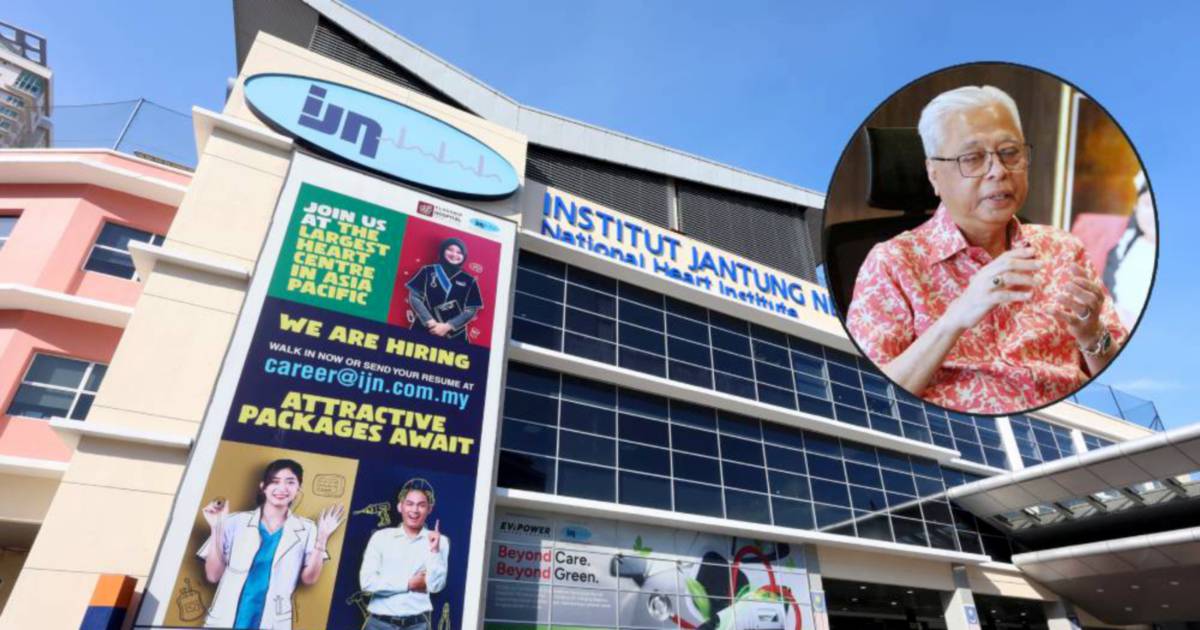
Former Prime Minister Datuk Seri Ismail Sabri Yaakob has completed a successful leadless pacemaker implantation at the National Heart Institute (IJN) in Kuala Lumpur, marking the conclusion of his hospitalisation for treatment of an abnormal heart rhythm. The procedure was completed without complications, with medical staff advising the former head of government to observe a period of recovery and rest following the intervention.
The decision to implant a leadless pacemaker represents a significant advancement in cardiac care technology compared to traditional pacemaker systems. Unlike conventional devices that rely on leads or wires tunnelled through veins to reach the heart, leadless pacemakers are self-contained units implanted directly into the heart chamber itself. This approach eliminates several risks associated with traditional systems, including lead fracture, infection of the lead pathway, and the complications that can arise from vein obstruction over time.
Leadless pacemaker technology has gained increasing adoption across the Asia-Pacific region in recent years, with Malaysia's healthcare infrastructure demonstrating capacity to provide such sophisticated cardiac interventions. The IJN, as the nation's premier heart speciality hospital, maintains expertise in cutting-edge electrophysiology procedures and continues to position Malaysia as a regional healthcare hub for complex cardiology cases. This capability underscores the country's investment in world-class medical facilities and specialist training.
The underlying condition necessitating pacemaker implantation—abnormal heart rhythm or arrhythmia—occurs when electrical signals governing heart contractions become irregular or disrupted. For some patients, these disturbances pose serious health risks and require mechanical intervention to maintain proper cardiac function. The decision to hospitalise Ismail Sabri and pursue pacemaker implantation indicates his medical team assessed the arrhythmia as significant enough to warrant this level of intervention rather than relying solely on pharmaceutical management.
The former premier's public medical situation draws attention to cardiovascular health as a pressing concern across Malaysia's leadership and wider population. Cardiac conditions affect substantial portions of the Malaysian demographic, with contributing factors including hypertension, obesity, sedentary lifestyles, and dietary patterns common throughout the region. The visibility of high-profile figures undergoing treatment can prompt broader public awareness about the importance of cardiovascular screening, regular health monitoring, and lifestyle modifications.
Recovery from leadless pacemaker implantation typically involves a shorter hospitalisation period compared to traditional pacemaker surgery, though medical professionals generally recommend activity limitations during the initial healing phase. The implantation site requires time to stabilise, and excessive movement or strain could potentially displace the device during this critical window. Ismail Sabri's medical team has prescribed rest as a precautionary measure to optimise recovery outcomes and allow complete integration of the device within cardiac tissue.
The procedure's success reflects both the patient's physiological factors and the surgical team's expertise. Leadless pacemaker implantation demands precise catheter navigation through the venous system and accurate positioning within the right ventricle—a technically demanding procedure requiring substantial experience and specialist training. The IJN's track record in complex electrophysiology procedures has established confidence in its capacity to manage such interventions safely and effectively.
Following successful implantation, patients typically require ongoing cardiac monitoring to ensure proper device function and assess the effectiveness of pacemaker therapy in managing the underlying arrhythmia. Regular clinic visits and remote monitoring technologies enable cardiologists to adjust pacemaker settings, monitor battery longevity, and detect any emerging complications. Leadless devices generally offer longevity comparable to traditional pacemakers, typically functioning for eight to ten years or longer depending on device type and individual usage patterns.
The timing of Ismail Sabri's medical procedure raises questions about his future political activity, though such considerations remain secondary to immediate health priorities. Former government leaders occasionally reduce public-facing roles following significant medical interventions, particularly when recovery periods necessitate restrictions on activity. The extent to which the former premier resumes political engagements following his recovery will depend on his cardiologist's clearance and his personal assessment of capacity for sustained involvement in demanding political activities.
Beyond the individual case, Ismail Sabri's successful treatment highlights Malaysia's healthcare system's capacity to provide sophisticated cardiac interventions comparable to leading international centres. The availability of leadless pacemaker technology within the country reduces patient reliance on overseas medical tourism for complex cardiology procedures, potentially reducing healthcare costs and improving accessibility for Malaysian citizens requiring such interventions. This capability strengthens the nation's position within the regional healthcare landscape.
The case also underscores the importance of early identification and appropriate management of cardiac arrhythmias across the population. Many individuals experience asymptomatic arrhythmias detected incidentally during routine health screening, highlighting the value of regular cardiac assessment particularly for individuals over fifty or those with predisposing risk factors. Public figures like Ismail Sabri can inadvertently promote health literacy when their medical situations receive media attention, encouraging citizens to seek timely evaluation for concerning cardiac symptoms.
As Ismail Sabri enters his recovery phase, the medical and general public focus will centre on his rehabilitation trajectory and return to normal activity levels. The success of his procedure demonstrates both personal resilience and the technical excellence available within Malaysia's cardiac care infrastructure, reinforcing the country's reputation as a destination for quality healthcare interventions throughout Southeast Asia.

